


![rain[e]LP](https://terrasense.ae/wp-content/uploads/2023/11/raine-300x300.jpg)
STRAIN GAUGE LOAD CELL SGLC-7050
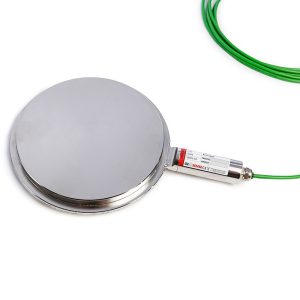
The SGLC 7050 series load cell consists of a solid cylinder of high strength stainless steel with a series of electrical resistance strain gauges connected around the periphery as a Wheatstone Bridge that compensates for unevenly distributed loads and provides a single mV/V signal output.
Description
It is most commonly used to measure load acting on piles, struts, arch supports and props.It is most commonly used to measure load acting on piles, struts, arch supports and props.
When the load cell is subjected to load the resistance of the strain gauges will change and the output signal is directly proportional to the applied load. Mounting surfaces should be flat and parallel for optimum performance and the use of loading cap for strut monitoring is recommended.
Connection to the load cell is via a heavy-duty multi-core sheathed cable which can be connected to a direct portable readout, data logging or Wi-SOS 400 system.
Additional information
| Brands | |
|---|---|
| Range |
1000, 2000, 3000, 5000, 10,000kN |
| Non linearity |
± 1% FS |
| Over range |
150% |
| Excitation |
10V DC |
| Output |
1.5mV/V |
| Bridge resistance |
1400 Ohms |
| Number of sensors |
16 |
| Material |
Stainless steel |
| Temperature range |
-20 to + 70ºC |
Reviews (0)
About brand
Geosense Ltd is one of Europe’s leading manufacturers and suppliers of instruments to the geotechnical, civil engineering, mining and environmental industries.
Geosense products are used globally in major projects in more than 68 countries. With a comprehensive in-house design and manufacturing capability, we can provide products not only to tight deadlines but also to suit custom-engineered solutions for specific project requirements.
Geosense specialises in the manufacture of vibrating wire and MEMS sensors, which are used to produce a wide range of instruments. In addition we manufacture automated data acquisition systems to complement our sensors, including wireless systems.
Data Sheets
Related products
STRAIN GAUGE PIEZOMETER SGP-3400 SERIES
In stock
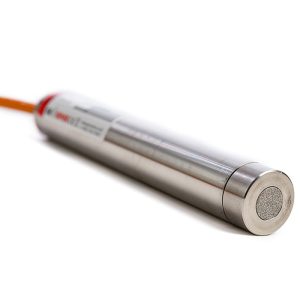
The SGP-3400 Series of strain gauge piezometers are designed for monitoring soil pore pressure or changes in water level and are also suitable for dynamic monitoring such as pumping tests.
They are accurate, highly-reliable and suitable for use in the harsh environments often found within civil engineering including water wells, boreholes, dams, reservoirs, rivers, tanks or any other body of water.
DRIVE-IN PIEZOMETERS WP-3400 & SGP-3500 SERIES
In stock
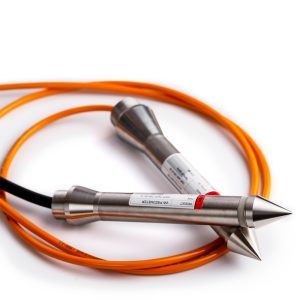
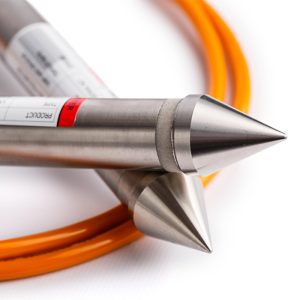
Drive-in piezometers, also referred to as push-in piezometers, are designed for installing in soft clays, organic or fine grained cohesionless soils typically with a SPT-N value less than 10. They are available with a CPT fitting or 1” BSP thread.
Depending on the depth and type of soil, they can either be pushed directly into the soil from ground level to the required depth or pushed into the base of a CPT test or drilled borehole.
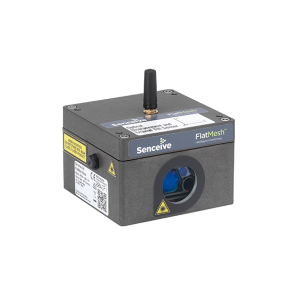
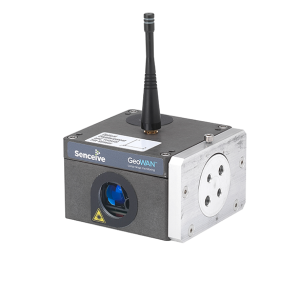
OPTICAL DISPLACEMENT SENSOR NODE
In stock
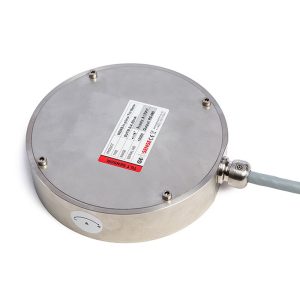
SUBMERSIBLE TILT METER
In stock
DIGITAL PIEZOMETER – dPiezo
In stock
WATER LEVEL METER
In stock
INCLINOMETER CASING QJ
In stock
MAGNETIC EXTENSOMETER GXM RANGE
In stock
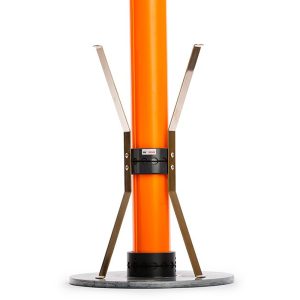
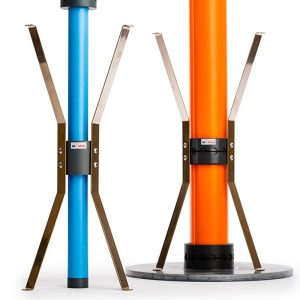
The GEO-XM settlement system is a magnet extensometer system used typically to monitor settlement and heave in foundations, excavations and embankments.
Data received identifies the depth and position where settlement has occurred as well as the total amount of settlement.
It can also be installed behind retaining structures, such as sheet piles and slurry walls, and above underground openings, such as tunnels and shafts.

Reviews
There are no reviews yet.