



![rain[e]](https://terrasense.ae/wp-content/uploads/2023/11/raine-150x150.jpg)

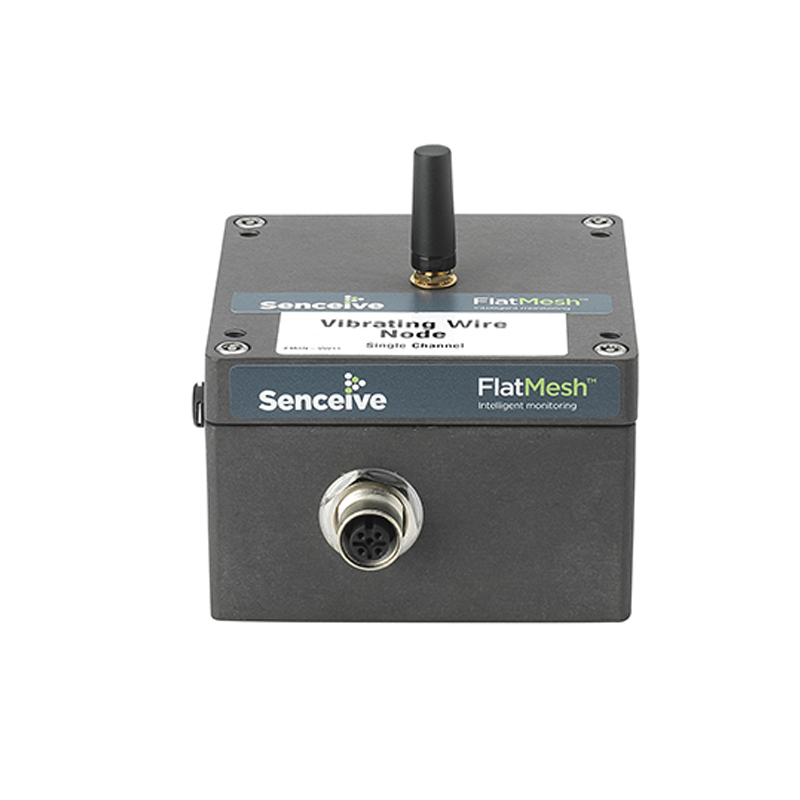
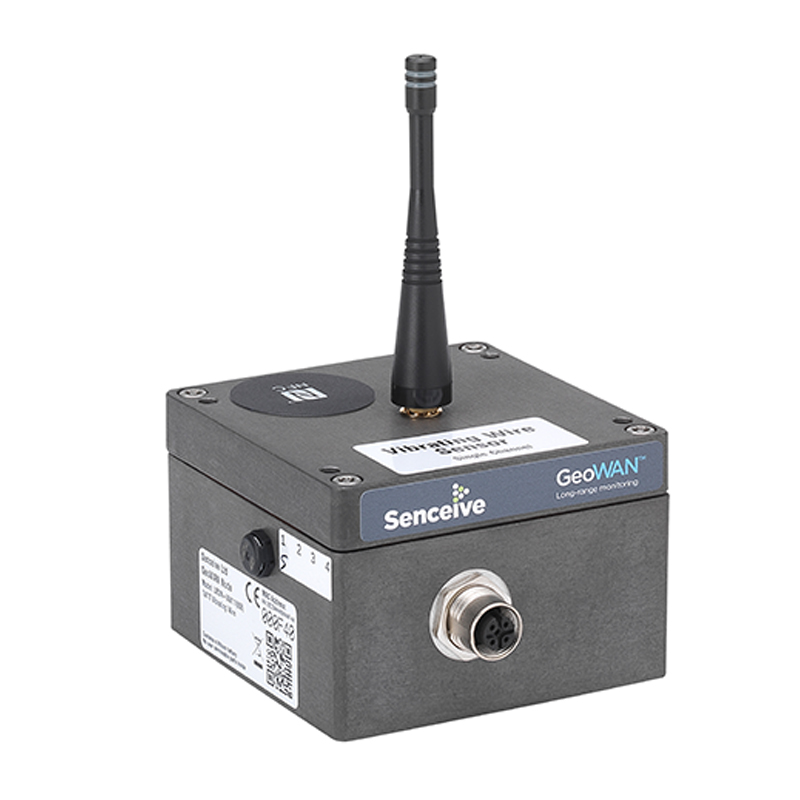
Vibrating Wire Sensor Node
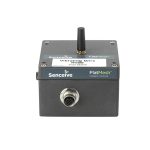
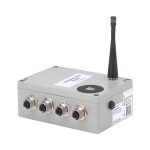
Our vibrating wire sensor interface enables high precision and low power monitoring of a wide range of structural and geotechnical sensors for use in variety of sectors.
The Vibrating Wire Sensor interface range brings a wide variety of vibrating wire sensors into our systems. It is a highly integrated system which is capable of exciting and sampling vibrating wire sensors and reporting measurements through Senceive’s wireless communications network to a gateway.
Examples of the sensors supported:
- Piezometers
- Strain gauges
- Load & pressure cells
- In place inclinometers
- External temperature
- Extensometers
- Crack gauges
- Soil moisture sensors
Features
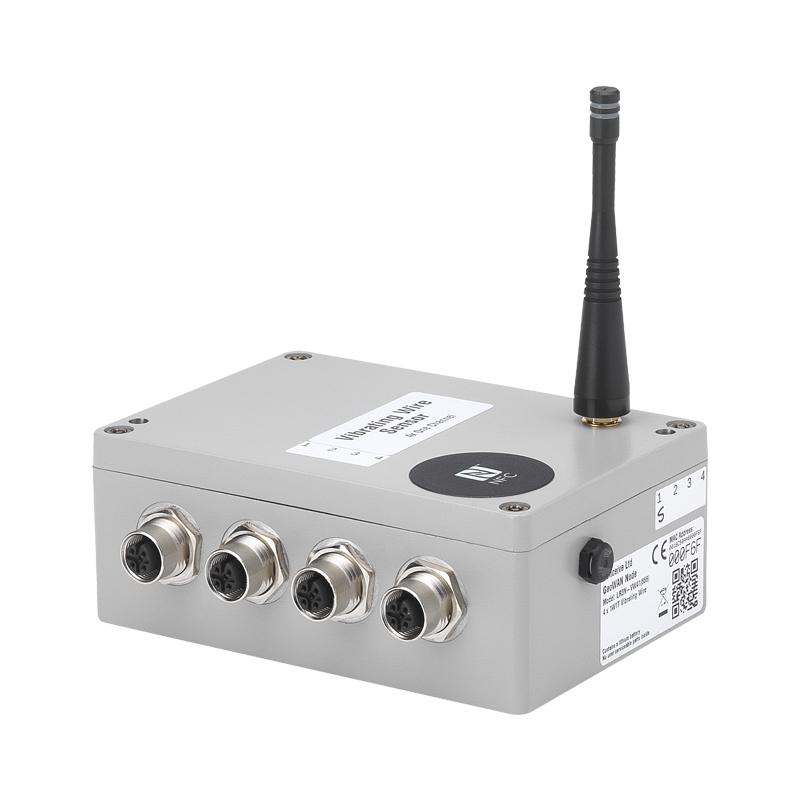
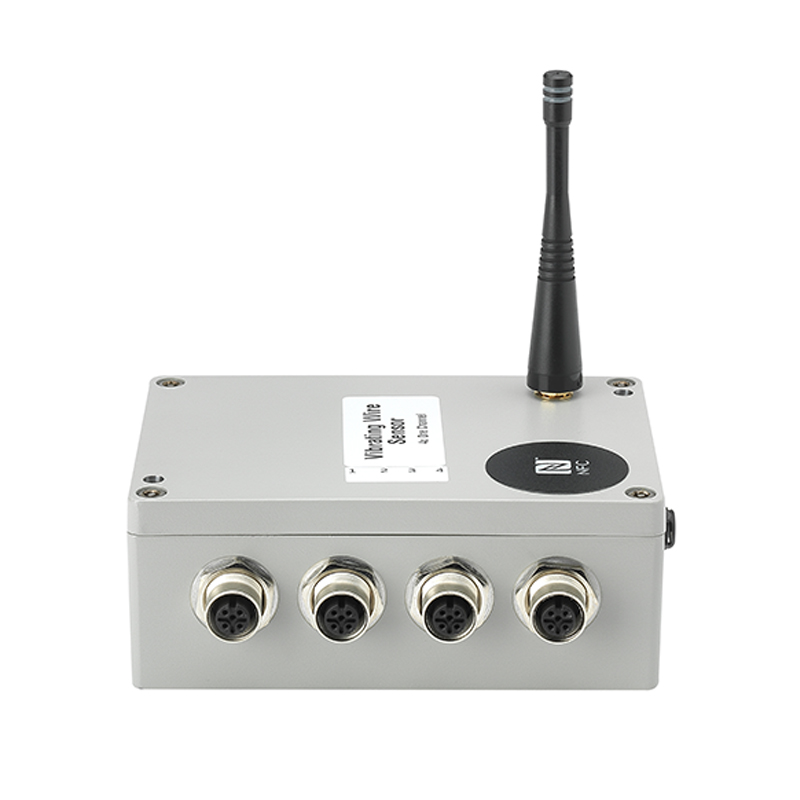
- High performance, easy to connect multichannel connectors
- Waterproof, robust connectors for simple installation
- Resolution of 0.001 Hz and repeatability of ±0.02 Hz
- Integrated long life battery
- 10-15 years’ battery life, including when acting as a relay node within the mesh communications network
- Integrated temperature sensor
- Versatile mounting options
- Waterproof to IP66 / IP67 / IP68
- Firmware is remotely upgradeable over the air via the gateway reducing costly site visits (FlatMesh)
- Supports one NTC sensor on each connector
- 1 and 4 channel versions available
| Brands | Senceive |
|---|---|
| Frequency Resolution | 0.001 Hz |
| Frequency Repeatability | ±0.02 Hz |
| Frequency Range | 200-6500Hz |
| Stimulus Type | Swept Sine Wave, typ. 6V peak to peak |
| Thermistor Type | 3kΩ NTC |
| Temperature Resolution | 0.05 |
| Temperature Accuracy | ±0.1°C |
| Temperature Range | -40°C to +85°C |
Related products
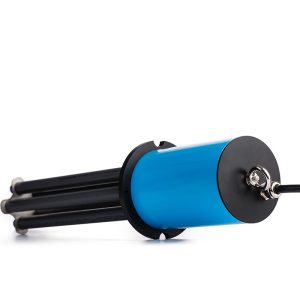
BOREHOLE ROD EXTENSOMETER
In stock
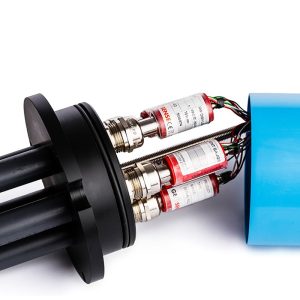
The Geosense® GEO-XB2 borehole rod type extensometer range is used to measure and locate settlement, displacement and deformation in soil and rock.
It consists of a reference head and one or more in-hole anchors each of which is placed at a known depth and connected to the reference head by either a rigid or flexible rod running inside a flexible sleeve, which keeps the rod de-bonded from the grout.
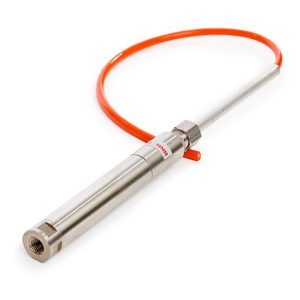
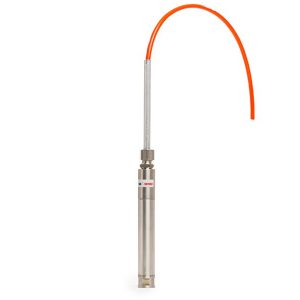
VWPHT-3600 SERIES
In stock
The VWPHT-3600 series High Temperature Piezometers are suitable for the extreme environments of temperature and pressure found within applications such as geothermal heat and enhanced oil recovery systems including steam assisted gravity drainage (SAGD) and cyclic steam stimulation (CSS). They are capable of monitoring high temperatures up to 250°C and pressures up to 34.5 MPa.
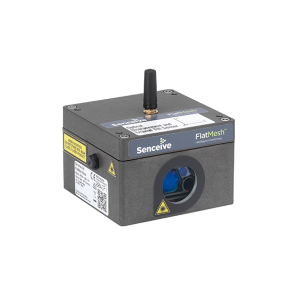
OPTICAL DISPLACEMENT SENSOR NODE
In stock
NANO TRIAXIAL TILT SENSOR
In stock
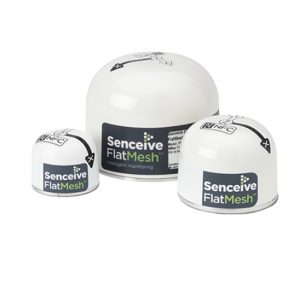
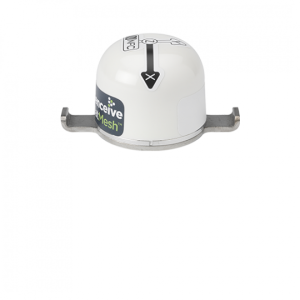
The Nano range uses the same core platform as our other tilt sensors, so it can deliver a similar level of performance and reliability, all in a small and robust enclosure. Nanos have been successfully used in many applications, including:
- Tunnel distortion
- Tunnel heave/settlement
- Embankment slippage (used in conjunction with stake mounts)
- Structural movement
- Rail track heave/settlement
- Rail trackbed cant and twist
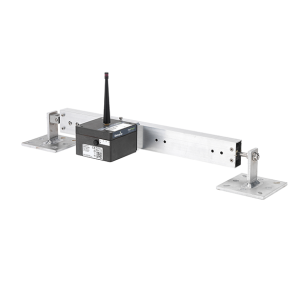
TILT BEAM
In stock
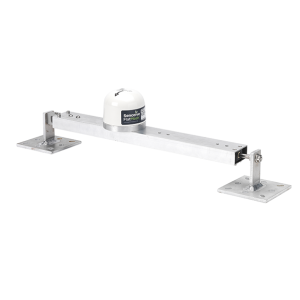
The Tilt Beam is a lightweight, rigid aluminium beam that is used in conjunction with a Triaxial Tilt Node, a NanoPlus or a NanoMacro.
The tilt beam has been successfully used in many applications, including:
- Movement monitoring of any structure
- Longitudinal settlement
- Tunnel convergence/divergence
- Lateral displacements
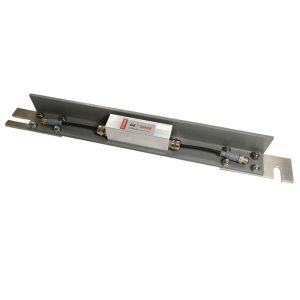
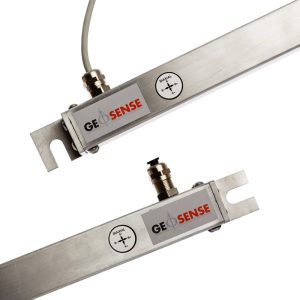
TILT BEAM MEMS
In stock
MEMS Tilt Beams are designed for attachment to structures, on either a vertical or horizontal surface, for the measurement of tilt or differential settlement.
They consist of a highly accurate MEMS sensor housed in a fully sealed enclosure which is mounted on a lightweight rigid GRP beam. This can be mounted onto the structure using special anchors. The GRP beam has a very low coefficient of thermal expansion meaning that thermal affects are minimised.
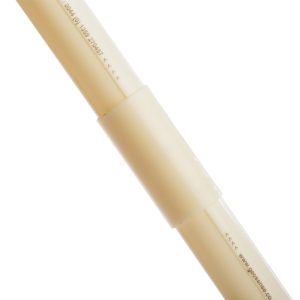
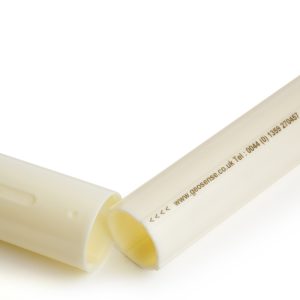
INCLINOMETER CASING XC
In stock
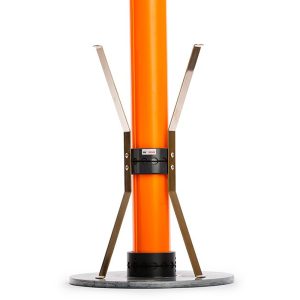
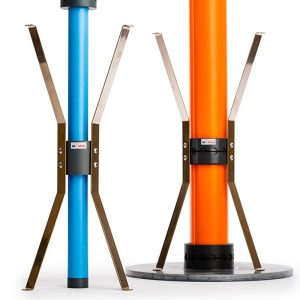
MAGNETIC EXTENSOMETER GXM RANGE
In stock
The GEO-XM settlement system is a magnet extensometer system used typically to monitor settlement and heave in foundations, excavations and embankments.
Data received identifies the depth and position where settlement has occurred as well as the total amount of settlement.
It can also be installed behind retaining structures, such as sheet piles and slurry walls, and above underground openings, such as tunnels and shafts.
Reviews
There are no reviews yet.