
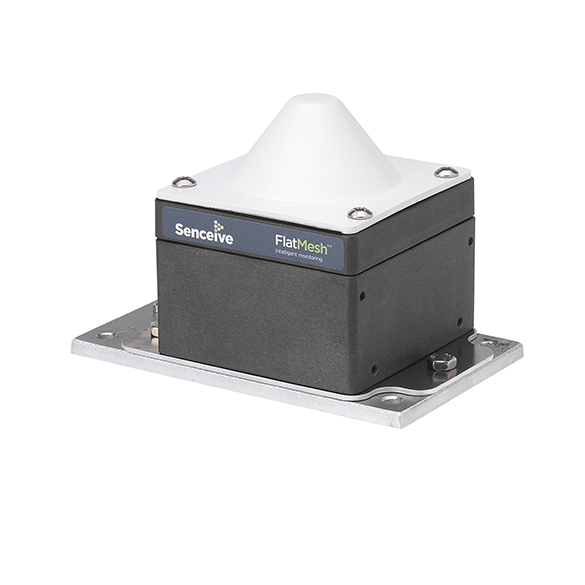
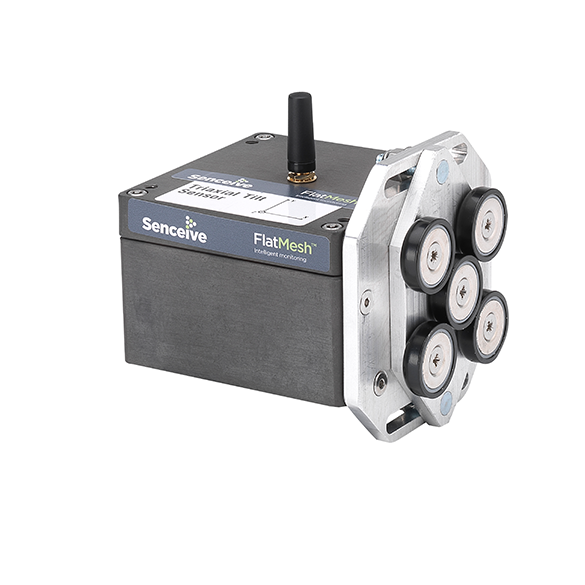


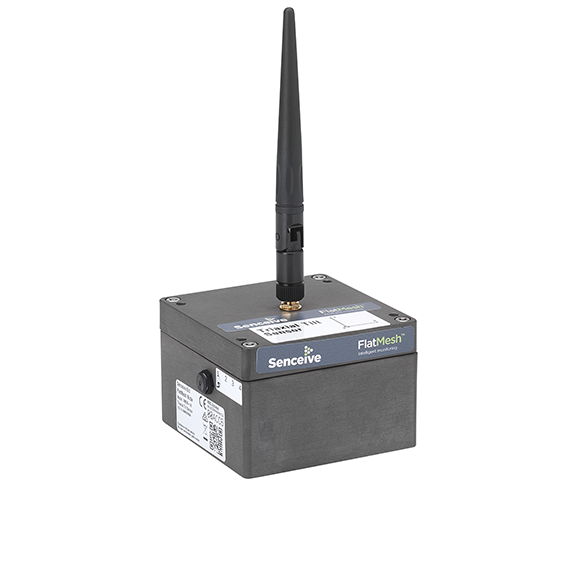
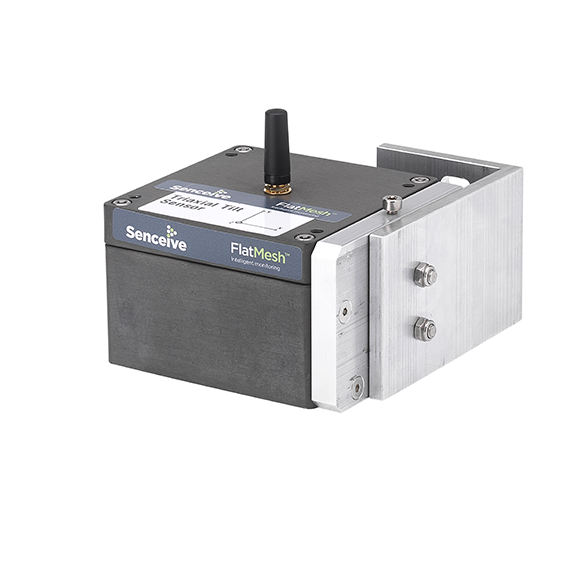
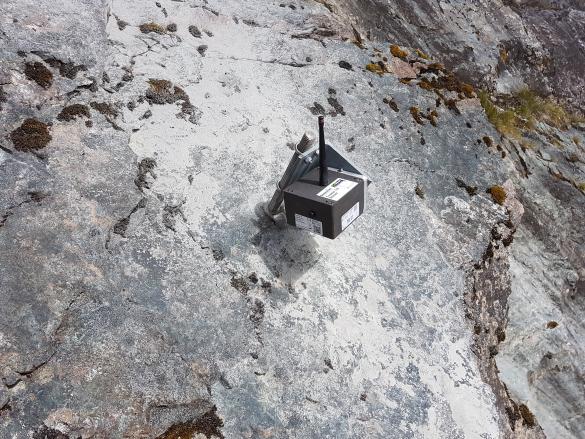


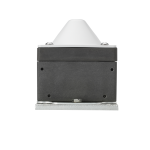
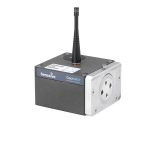

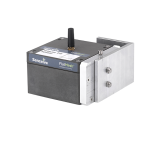
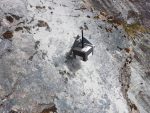
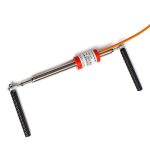

TRIAXIAL TILT SENSOR NODE
This wireless 3 axis tiltmeter has been successfully used in many applications, including those measuring:
- Tunnel distortion
- Tunnel heave/settlement
- Embankment slippage
- Structural movement
- Rail track heave/settlement
- Rail trackbed cant and twist
The Triaxial Tilt Sensor Node is an extremely precise and exceptionally stable three axis wireless tilt meter for use in a variety of sectors.
Variable reporting rates, a robust design and up to a 15 year battery life make this wireless 3 axis tiltmeter suitable for many environments and applications. The wireless tiltmeter nodes transmit precise readings from the site via one of our wireless communication platforms (FlatMesh or GeoWAN) via a Gateway. Visualise and interact with your data online using the Senceive WebMonitor platform or third party software.
| Brands | Senceive |
|---|---|
| Range | ±90° |
| Resolution | 0.0001° (0.00175 mm/m) |
| Repeatability (-IX variant) | ±0.0005° (±0.0087 mm/m) |
| Repeatability (-IXH variant) | ±0.0025° (±0.0436 mm/m) |
| Dimensions excluding antenna | 90 x 90 x 60 mm 90 x 96 x 60 mm (including vent) |
| Total Mass | 0.6 kg approx |
| Housing Material | Die cast aluminium |
| Protection (BS EN 60529: 1992 + A2: 2013) | IP66 / IP67 IP68 at 1 m for 24 hours |
| Mounting Options | 1/4″ UNF holes in bottom. M4 blind holes in side. Plates and brackets available for magnetic fixing, trackbed, stake and pole mounting & many other applications |
| Operating Temperature Range | -40°C to +85°C |
Related products
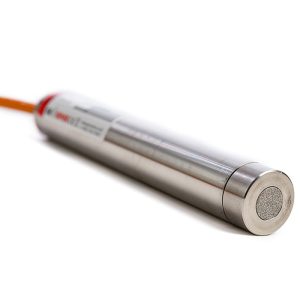
STRAIN GAUGE PIEZOMETER SGP-3400 SERIES
In stock
The SGP-3400 Series of strain gauge piezometers are designed for monitoring soil pore pressure or changes in water level and are also suitable for dynamic monitoring such as pumping tests.
They are accurate, highly-reliable and suitable for use in the harsh environments often found within civil engineering including water wells, boreholes, dams, reservoirs, rivers, tanks or any other body of water.
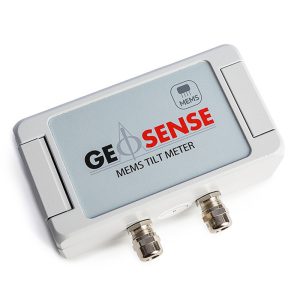
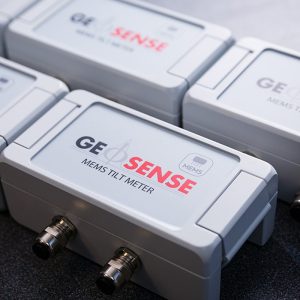
IN-PLACE TILT METER MEMS
In stock
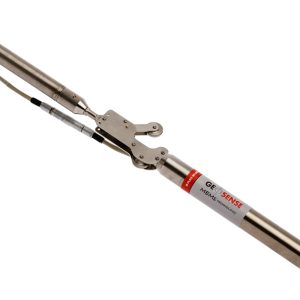
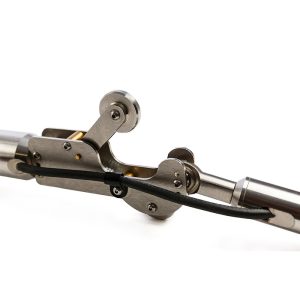
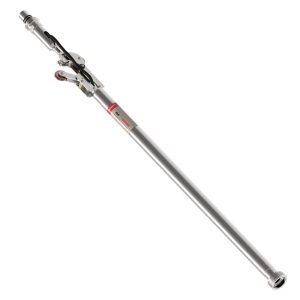
IN-PLACE INCLINOMETER (IPI)
In stock
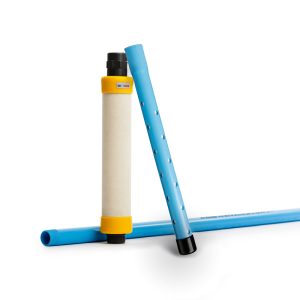
STANDPIPE PIEZOMETER
In stock
IPI-X IN PLACE INC – EXT
In stock
IMAGING & CAMERA
In stock
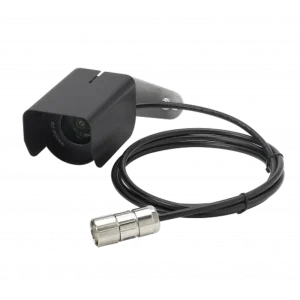
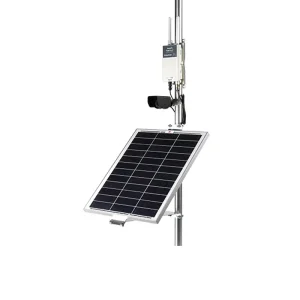
The FlatMesh 4G Camera is a best in class solar powered solution for static imagery in remote or industrial areas.
It contains a monochrome digital camera which can take clear, high quality photographs day or night without the use of external illuminators.
The 4G camera connects to a Senceive EdgeHub (with FlatMesh) unit which provides power and connectivity over the cellular network (2G/3G/4G) or existing wired ethernet networks.
HUMIDITY & CORROSION (CorroDec®2G)
In stock
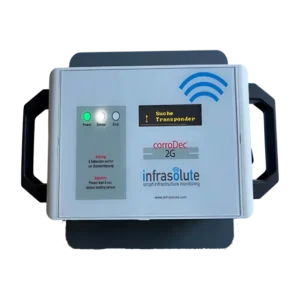
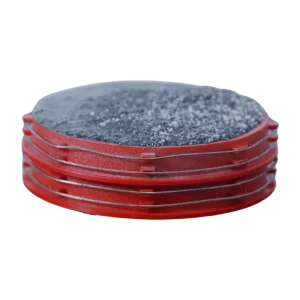
The structural infrastructure must always meet requirements such as performance, stability and durability. These requirements will have a lasting effect on our mobility in the future. The corrosion risk and the corrosion activity of the reinforcing steel largely define these requirements and are determined by various impact and material parameters.
MAGNETIC EXTENSOMETER GXM RANGE
In stock
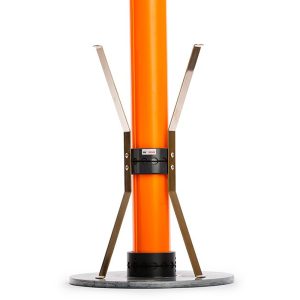
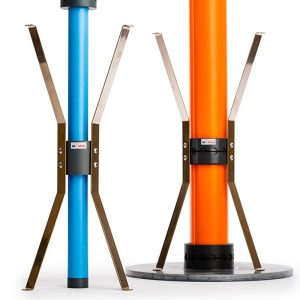
The GEO-XM settlement system is a magnet extensometer system used typically to monitor settlement and heave in foundations, excavations and embankments.
Data received identifies the depth and position where settlement has occurred as well as the total amount of settlement.
It can also be installed behind retaining structures, such as sheet piles and slurry walls, and above underground openings, such as tunnels and shafts.
Reviews
There are no reviews yet.