

WEIR MONITOR VWM-2000
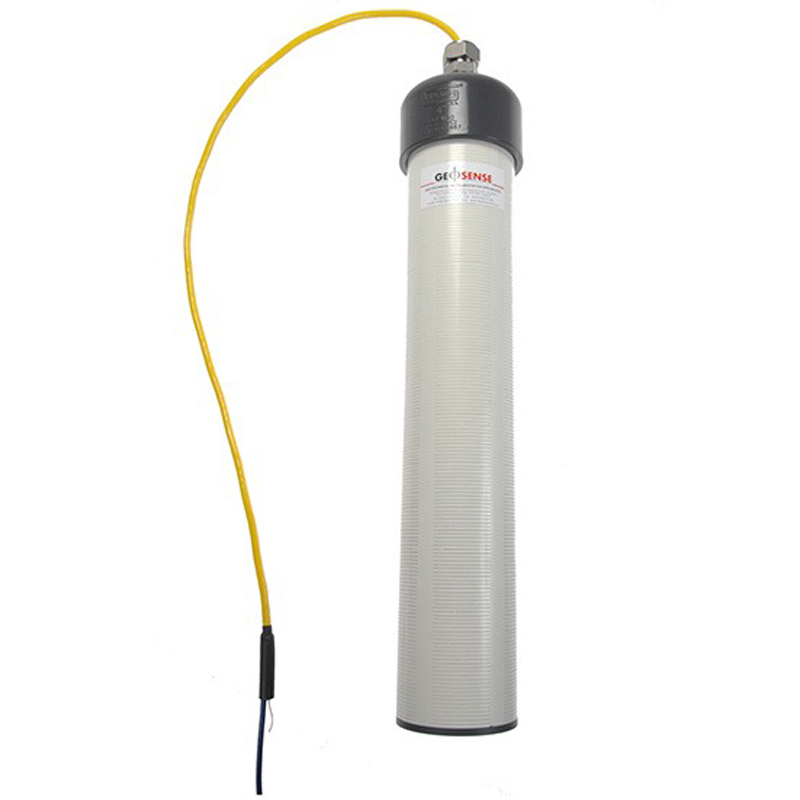
The Geosense® VWM-2000 vibrating wire precision water level monitor utilises a vented vibrating wire force transducer in combination with a cylindrical weight suspended from it to monitor water levels.
The vibrating wire transducer is vented to atmosphere so that any atmospheric changes are automatically compensated.
The transducer and weight are contained within a PVC slotted pipe which can be located within the weir or tank as necessary and the vent tube is terminated within a moisture trap. Periodic change of the desiccant is required.
The cylindrical weight is partially suspended in the water level being monitored and as the water level changes the force on the transducer by the cylinder alters which in turn alters the tension of the vibrating wire.
As with all vibrating wire sensors, the output is frequency and therefore not affected by changes of cable resistance and therefore extremely long cable lengths are possible.
| Brands | Geosense |
|---|---|
| Standard ranges | 150, 300,500, 1500mm |
| Resolution | 0.025% FS |
| Accuracy | ±0.1% FS |
| Operating temperature range | -20°C to +80°C |
Related products
VW PIEZOMETER VWP-3000 SERIES
In stock
IPX IN-PLACE EXTENSOMETER
In stock
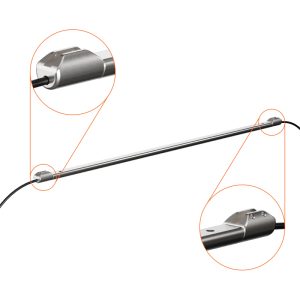
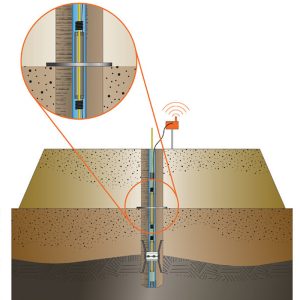
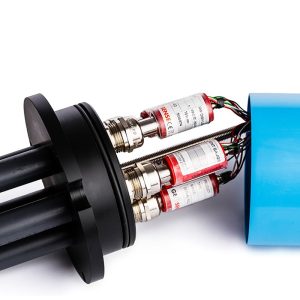
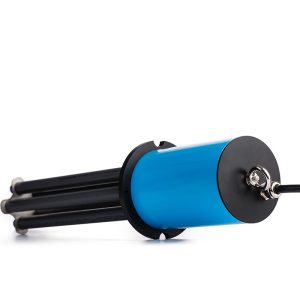
The In-Place Extensometer (IPX) offers automated monitoring of standard magnetic extensometer installations. The system is designed for a simple, adaptable installation with a single cable connection at the top of the borehole. Its large measurement range accommodates large levels of settlement or heave, and ease of adjustment means it can be reconfigured for changed site conditions such as embankment filling or cutting.
BOREHOLE ROD EXTENSOMETER
In stock
The Geosense® GEO-XB2 borehole rod type extensometer range is used to measure and locate settlement, displacement and deformation in soil and rock.
It consists of a reference head and one or more in-hole anchors each of which is placed at a known depth and connected to the reference head by either a rigid or flexible rod running inside a flexible sleeve, which keeps the rod de-bonded from the grout.
VWPHT-3600 SERIES
In stock
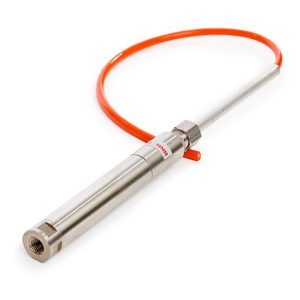
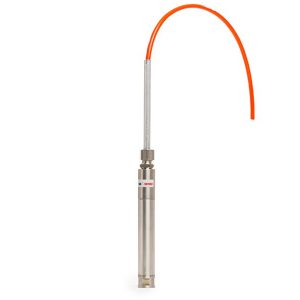
The VWPHT-3600 series High Temperature Piezometers are suitable for the extreme environments of temperature and pressure found within applications such as geothermal heat and enhanced oil recovery systems including steam assisted gravity drainage (SAGD) and cyclic steam stimulation (CSS). They are capable of monitoring high temperatures up to 250°C and pressures up to 34.5 MPa.
PRESSURE TRANSDUCER VWT-9000 SERIES
In stock
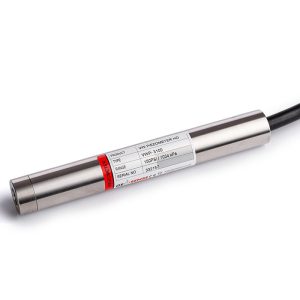
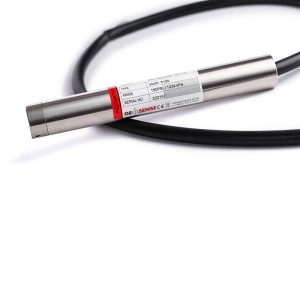
The Geosense® VWT-9000 Series of Pressure Transducers are designed to be connected directly into hydraulic or pneumatic pressure lines by means of a 1/4” BSPF thread. Other thread sizes are available on request.
They are typically used to monitor uplift pressures within dams and to enable manual standpipe piezometers to be upgraded into an automated data acquisition system.
SUBMERSIBLE TILT METER
In stock
TILT BEAM MEMS
In stock
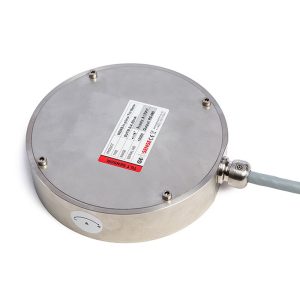
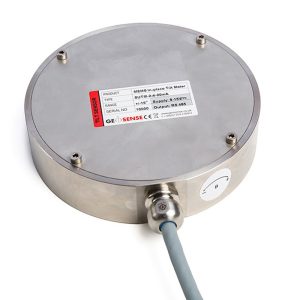
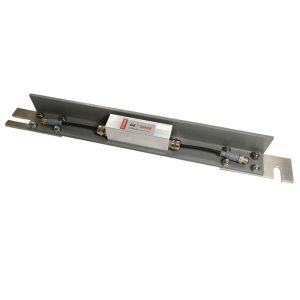
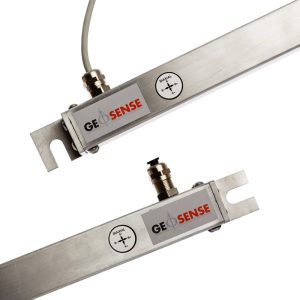
MEMS Tilt Beams are designed for attachment to structures, on either a vertical or horizontal surface, for the measurement of tilt or differential settlement.
They consist of a highly accurate MEMS sensor housed in a fully sealed enclosure which is mounted on a lightweight rigid GRP beam. This can be mounted onto the structure using special anchors. The GRP beam has a very low coefficient of thermal expansion meaning that thermal affects are minimised.
IMAGING & CAMERA
In stock
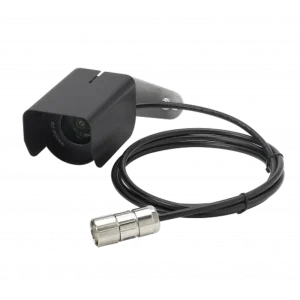
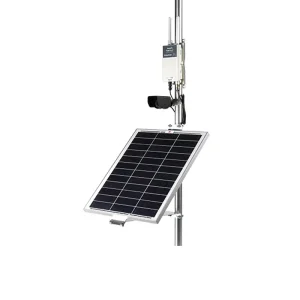
The FlatMesh 4G Camera is a best in class solar powered solution for static imagery in remote or industrial areas.
It contains a monochrome digital camera which can take clear, high quality photographs day or night without the use of external illuminators.
The 4G camera connects to a Senceive EdgeHub (with FlatMesh) unit which provides power and connectivity over the cellular network (2G/3G/4G) or existing wired ethernet networks.
Reviews
There are no reviews yet.