



![u[sonic]WS6 Weather sensor](https://terrasense.ae/wp-content/uploads/2023/11/usonicWS7-150x150.jpg)

VW TEMPERATURE SENSOR
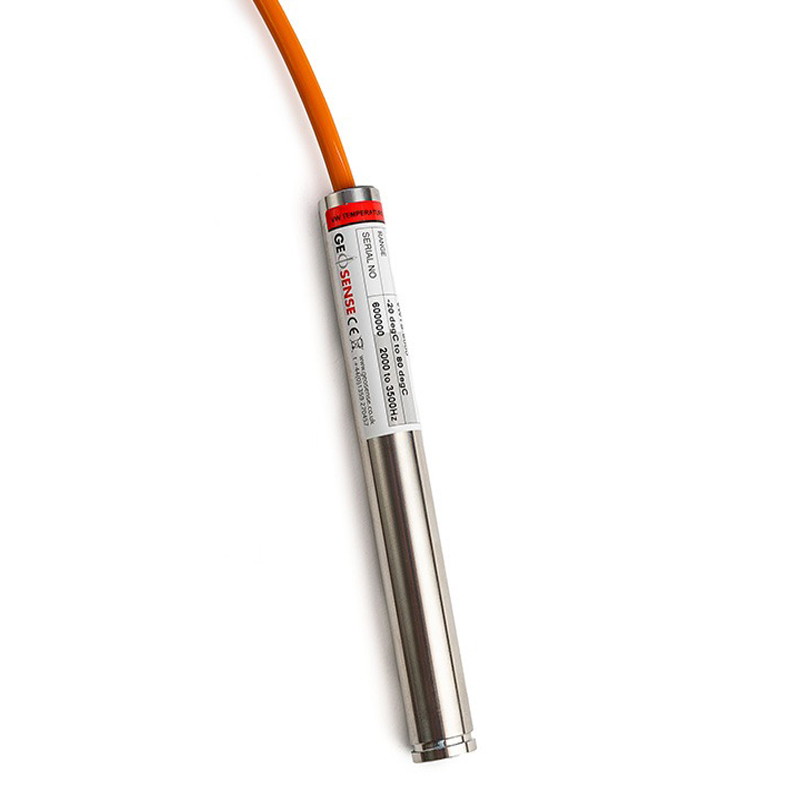
The VWTS 6000 vibrating wire temperature sensor is used primarily for the measurement of internal temperature in concrete structures, soil, rock or water.
The sensor operates on the principle that when plucked, a tensioned wire vibrates at its resonant frequency. The square of this frequency is proportional to the strain in the wire.
Around the wire is a magnetic coil which when pulsed by a vibrating wire readout or data logger interface plucks the wire and measures the resultant resonant frequency of vibration.
The sensor consists of a tensioned wire clamped inside a stainless steel cylinder. Changes in temperature cause the stainless steel body to expand and contract at a different rate to that of the vibrating wire thus altering the resonant frequency.
The thermal response of the VWTS 6000 is relatively slow and is therefore not suitable for measuring rapidly changing temperatures.
The VWTS 6000 vibrating wire temperature sensor is fitted with an internal gas-discharge tube for lightning protection.
| Brands | Geosense |
|---|---|
| Operating temperature range | -20°C to +80°C |
| Operating frequency | 2000 to 3500 Hz |
| Non linearity | <0.5% FS |
| Weight | 210g |
| Dimensions | 20mm diameter x 140mm long |
Related products
PRESSURE TRANSDUCER VWT-9000 SERIES
In stock
The Geosense® VWT-9000 Series of Pressure Transducers are designed to be connected directly into hydraulic or pneumatic pressure lines by means of a 1/4” BSPF thread. Other thread sizes are available on request.
They are typically used to monitor uplift pressures within dams and to enable manual standpipe piezometers to be upgraded into an automated data acquisition system.
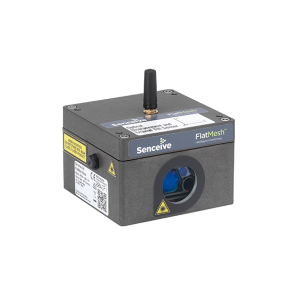
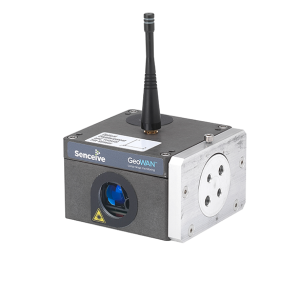
OPTICAL DISPLACEMENT SENSOR NODE
In stock
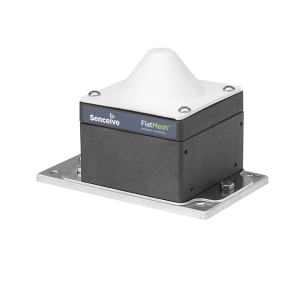
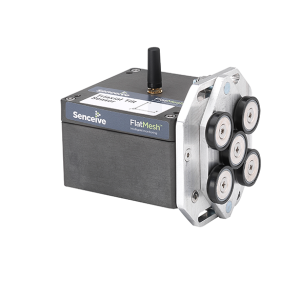
TRIAXIAL TILT SENSOR NODE
In stock
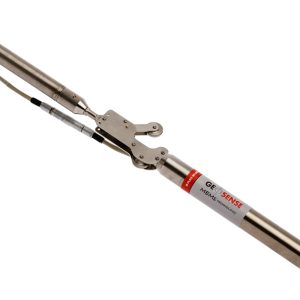
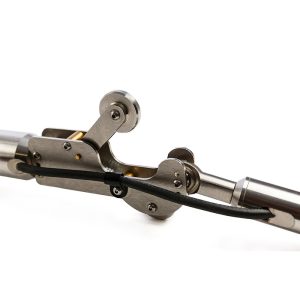
IN-PLACE INCLINOMETER (IPI)
In stock
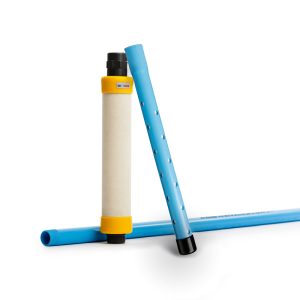
STANDPIPE PIEZOMETER
In stock
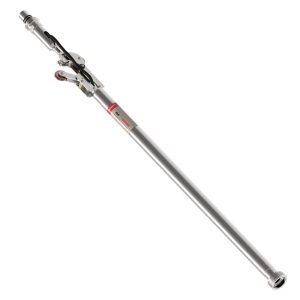
IPI-X IN PLACE INC – EXT
In stock
INCLINOMETER CASING XC
In stock
MAGNETIC EXTENSOMETER GXM RANGE
In stock
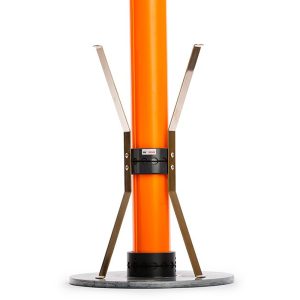
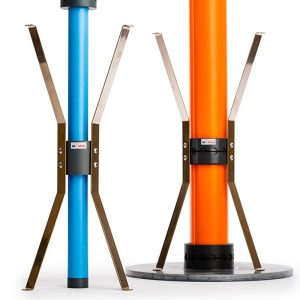
The GEO-XM settlement system is a magnet extensometer system used typically to monitor settlement and heave in foundations, excavations and embankments.
Data received identifies the depth and position where settlement has occurred as well as the total amount of settlement.
It can also be installed behind retaining structures, such as sheet piles and slurry walls, and above underground openings, such as tunnels and shafts.
Reviews
There are no reviews yet.