

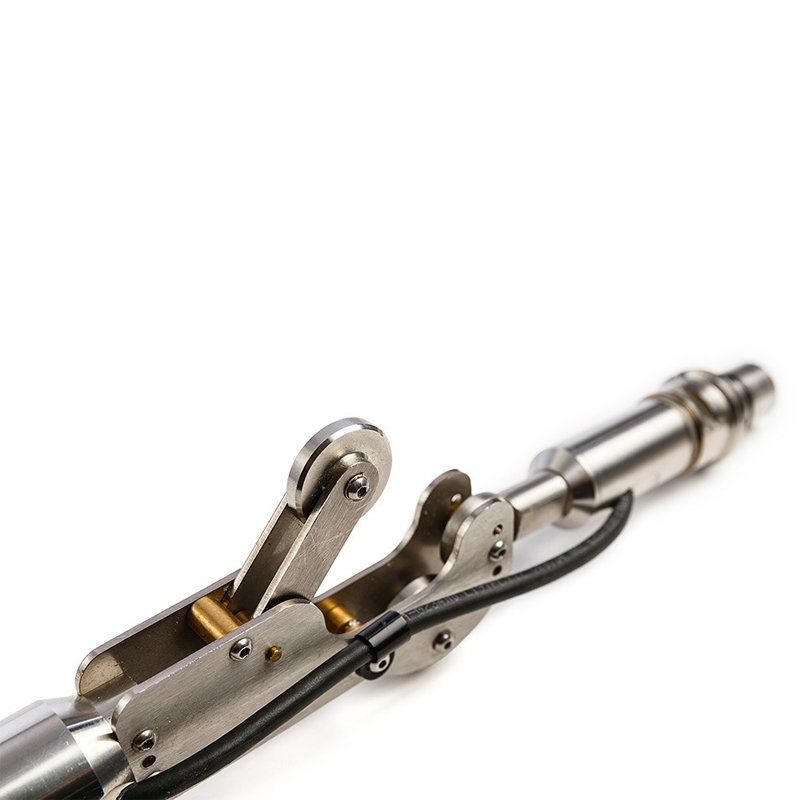

IN-PLACE INCLINOMETER (IPI)
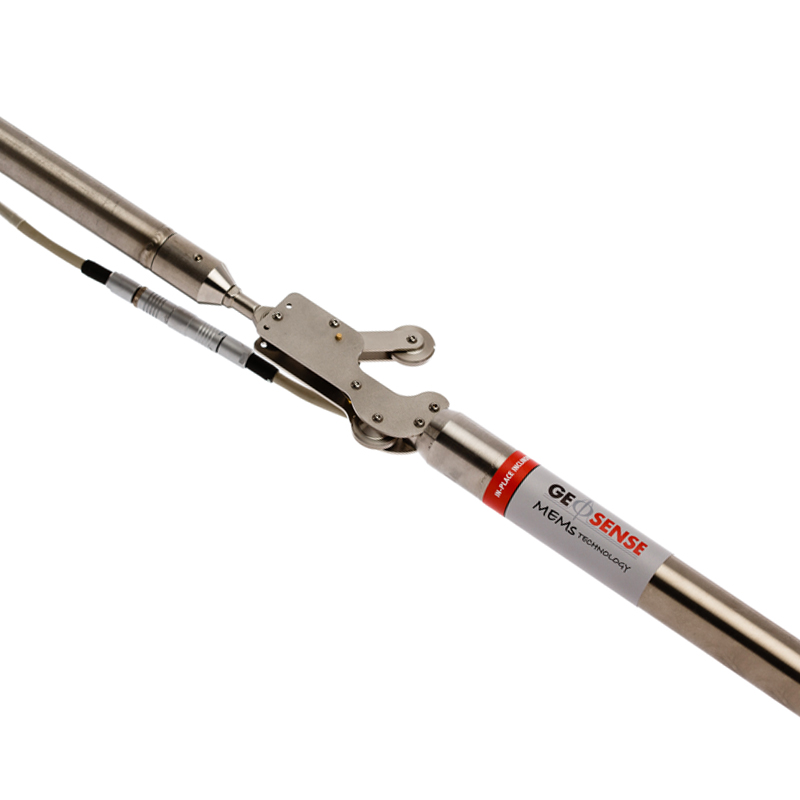
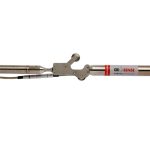
The Geosense In-Place Inclinometer System (IPI) allows automatic and continuous measurement of deformation profiles within inclinometer casings in a vertical, inclined, or horizontal orientation. Offered in either Uniaxial or Biaxial sensors and as a rigid rod or wire rope systems.
PRODUCT OVERVIEW
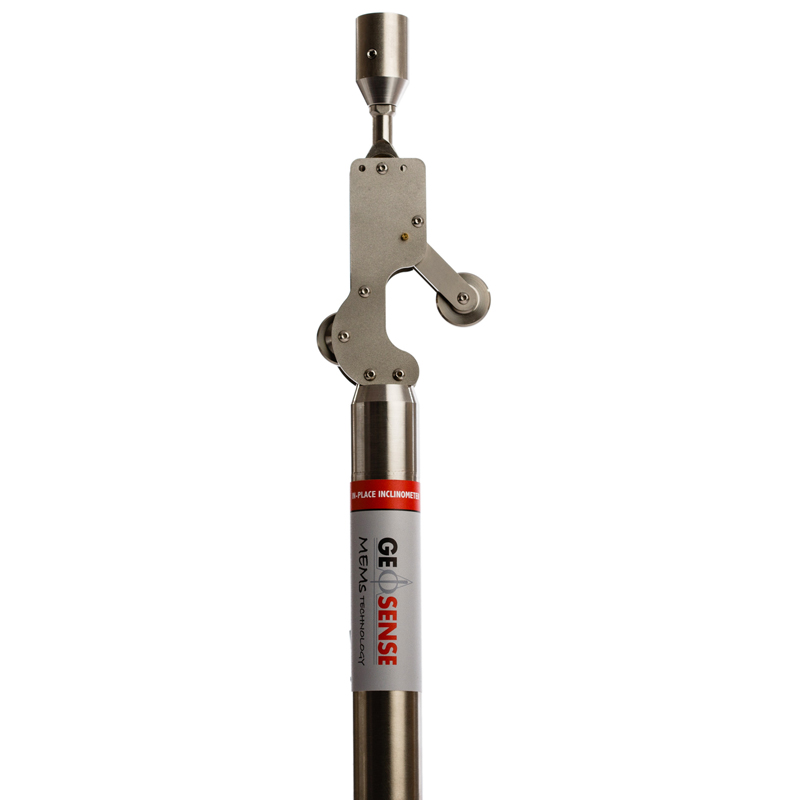
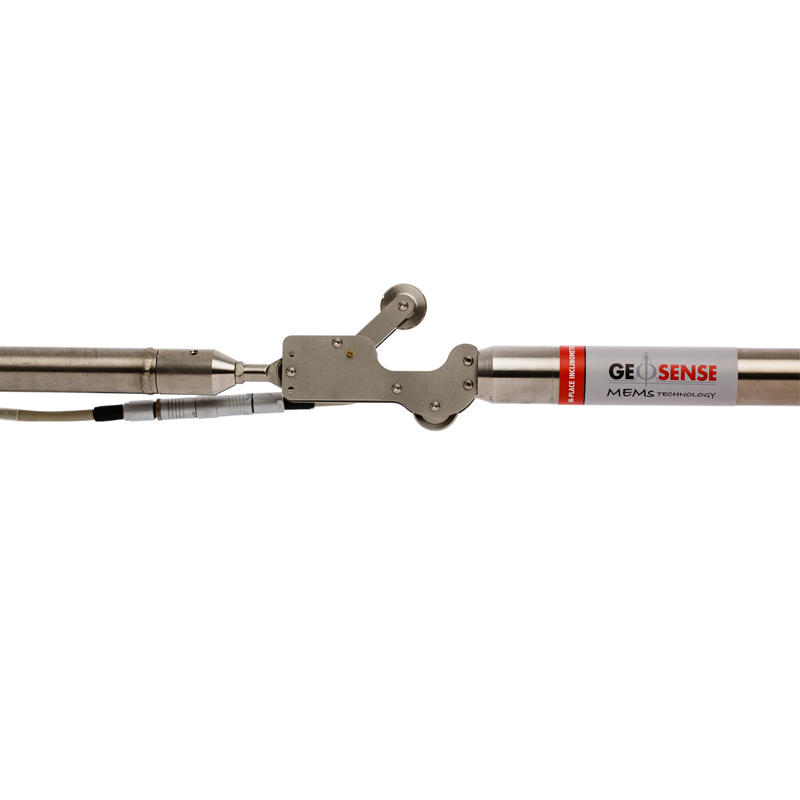
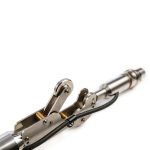
The new and improved Geosense In-place Inclinometer has a 20% smaller diameter sensor, is 38% lighter with the same trusted performance. The Sensor is combined with the rod and with integrated connectors for speedy tool-free install.
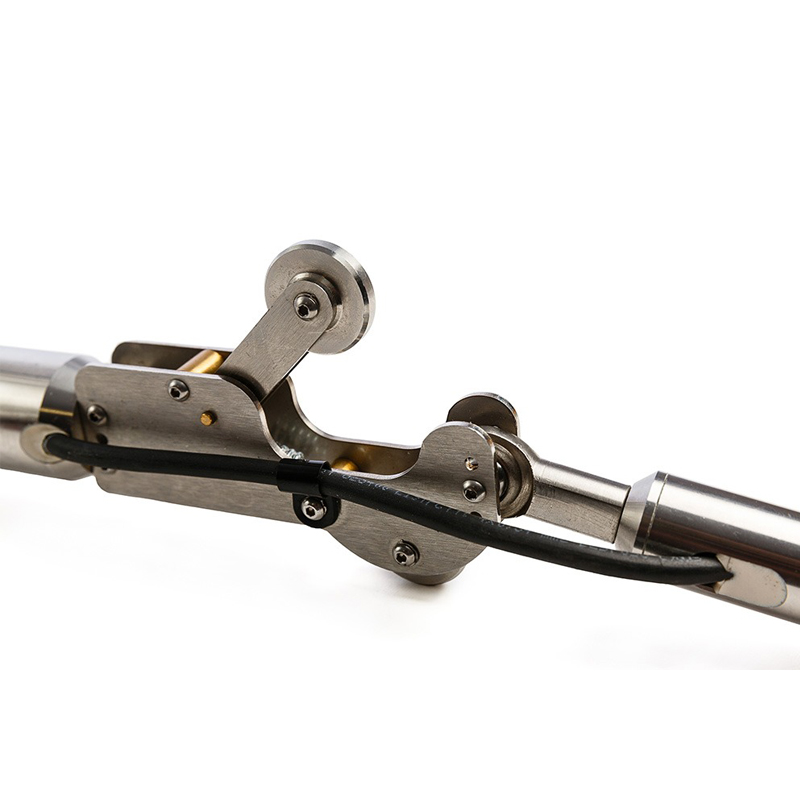
It consists of a series of wheeled sensors of varying lengths, connected together and set at the required depths within the inclinometer casing.
This rigid rod system (IPI-RR) has specially designed connections which link the sensors, allowing them to move independently to each other without influencing those above or below. This provides a profile of displacement over the complete length of the installation. The sensor gauge lengths can be varied to suit individual requirements. For example, more sensors can be concentrated in areas where movement is expected.
The wire rope system (IPI-WR) is designed for use where only specific zones are of interest rather than the profile of the entire borehole. In this system, sensors are linked with a wire rope rather than rods.
In both systems, a digital BUS runs the length of the chain of connected sensors eliminating the need for a separate cable for each sensor. A specially designed signal cable connection not only eliminates the need for external cables and connectors but ensures highly watertight joints and full EMC screening.
In-place inclinometers are typically used for safety critical applications where ‘real time’ monitoring and early warning is required in order to protect life and valuable assets. They are easy to automate using data acquisition systems and GeoAxiom Vista software.
| Brands | Geosense |
|---|---|
| Sensor Type | Biaxial MEMS |
| Range - Vertical | ±15° from vertical |
| Range - Inclined | ±15° from 45° |
| Range - Horizontal | ±15° from horizontal |
| Axis | Uniaxial and biaxial |
| Output signal | RS-485 Digital bus |
| Resolution | 2 arc sec (±0.01mm/m) |
| Operating Temperature | -40 to +85°C |
| Compatible Casing sizes | 70 & 85mm |
Related products
IPX IN-PLACE EXTENSOMETER
In stock
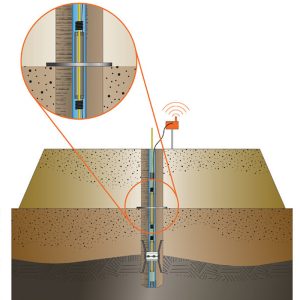
The In-Place Extensometer (IPX) offers automated monitoring of standard magnetic extensometer installations. The system is designed for a simple, adaptable installation with a single cable connection at the top of the borehole. Its large measurement range accommodates large levels of settlement or heave, and ease of adjustment means it can be reconfigured for changed site conditions such as embankment filling or cutting.
MULTI-POINT VW PIEZOMETER
In stock
PRESSURE TRANSDUCER VWT-9000 SERIES
In stock
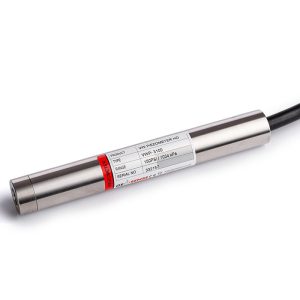
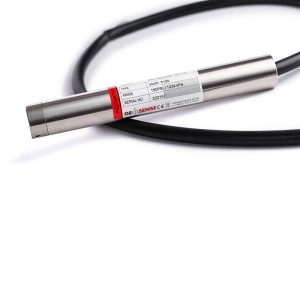
The Geosense® VWT-9000 Series of Pressure Transducers are designed to be connected directly into hydraulic or pneumatic pressure lines by means of a 1/4” BSPF thread. Other thread sizes are available on request.
They are typically used to monitor uplift pressures within dams and to enable manual standpipe piezometers to be upgraded into an automated data acquisition system.
SUBMERSIBLE TILT METER
In stock
TILT BEAM
In stock
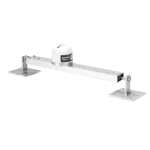
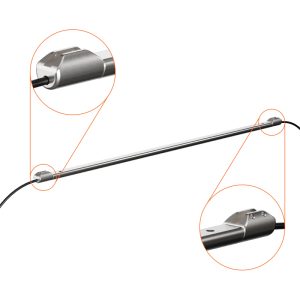
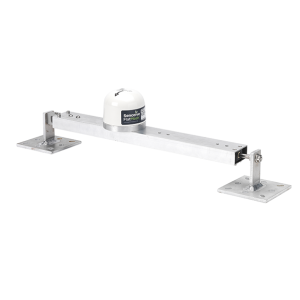
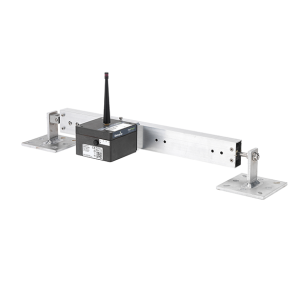
The Tilt Beam is a lightweight, rigid aluminium beam that is used in conjunction with a Triaxial Tilt Node, a NanoPlus or a NanoMacro.
The tilt beam has been successfully used in many applications, including:
- Movement monitoring of any structure
- Longitudinal settlement
- Tunnel convergence/divergence
- Lateral displacements
WATER LEVEL METER
In stock
INCLINOMETER CASING QJ
In stock
MAGNETIC EXTENSOMETER GXM RANGE
In stock
The GEO-XM settlement system is a magnet extensometer system used typically to monitor settlement and heave in foundations, excavations and embankments.
Data received identifies the depth and position where settlement has occurred as well as the total amount of settlement.
It can also be installed behind retaining structures, such as sheet piles and slurry walls, and above underground openings, such as tunnels and shafts.
Reviews
There are no reviews yet.