

![u[sonic] Ultrasonic wind sensor](https://terrasense.ae/wp-content/uploads/2023/11/usonic-1-300x300.png)

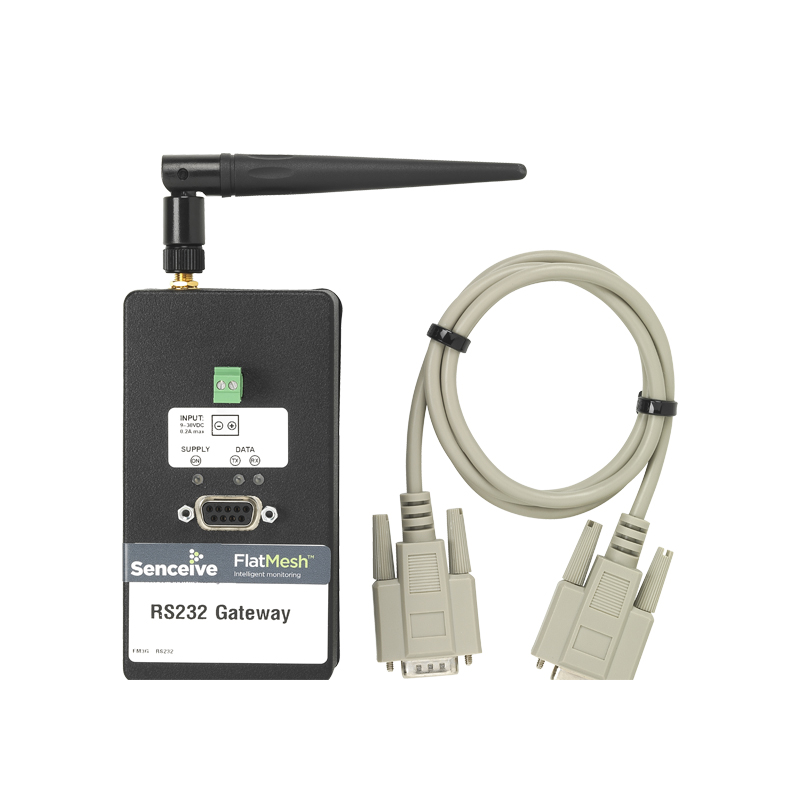
FlatMesh RS232 Gateway
The FlatMesh RS232 Gateway provides all the functionality required to operate a FlatMesh wireless sensor network in conjunction with a PC.
Combine with the FlatMesh Data Logger software for simple text file logging for local deployments without the need for access to the internet.
Description
- On-board industrial-grade flash memory card for data buffering and backup
- Wide input voltage range
- DIN Rail mountable for easy fixing
- Firmware is upgradeable over RS232
Additional information
| Brands | |
|---|---|
| Standard |
EIA-232 |
| Connector Type |
D-sub 9-way Female DCE |
| Baud Rate |
115200 bps |
| Frame Configuration |
8 data bits, no parity, 1 stop bit |
| Flow Control |
RTS/CTS |
Reviews (0)
About brand
Since 2005, Senceive has been singularly focused on bringing intelligent wireless condition monitoring to civil engineering and rail applications. Senceive is widely seen as the global leader for wireless remote condition monitoring solutions, with more than 30,000 sensors installed in 2020 alone.
Data Sheets
Related products
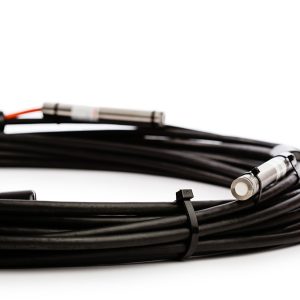
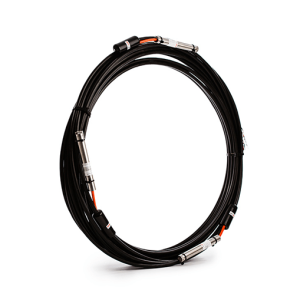
BOREHOLE ROD EXTENSOMETER
In stock
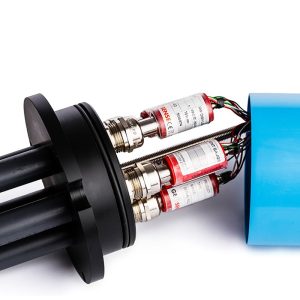
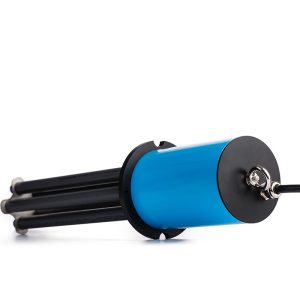
The Geosense® GEO-XB2 borehole rod type extensometer range is used to measure and locate settlement, displacement and deformation in soil and rock.
It consists of a reference head and one or more in-hole anchors each of which is placed at a known depth and connected to the reference head by either a rigid or flexible rod running inside a flexible sleeve, which keeps the rod de-bonded from the grout.
MULTI-POINT VW PIEZOMETER
In stock
VWPHT-3600 SERIES
In stock
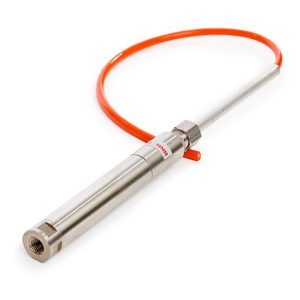
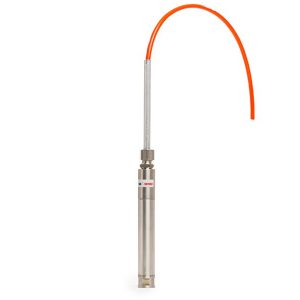
The VWPHT-3600 series High Temperature Piezometers are suitable for the extreme environments of temperature and pressure found within applications such as geothermal heat and enhanced oil recovery systems including steam assisted gravity drainage (SAGD) and cyclic steam stimulation (CSS). They are capable of monitoring high temperatures up to 250°C and pressures up to 34.5 MPa.
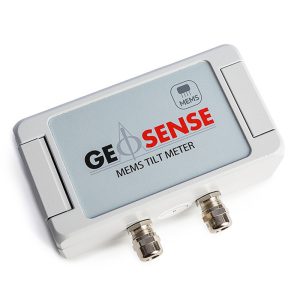
IN-PLACE TILT METER MEMS
In stock
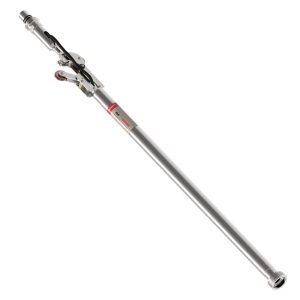
IPI-X IN PLACE INC – EXT
In stock
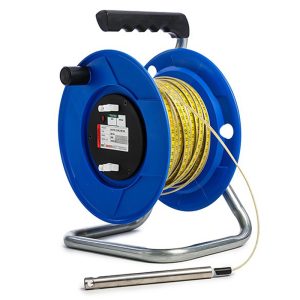
WATER LEVEL METER
In stock
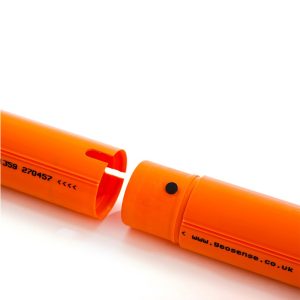
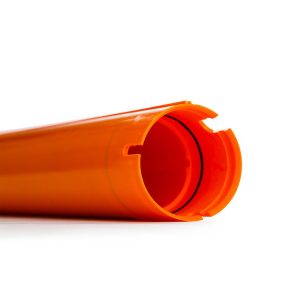
INCLINOMETER CASING QJ
In stock
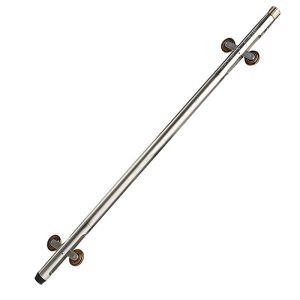
INCLINOMETER SPIRAL SENSOR
In stock

Reviews
There are no reviews yet.