


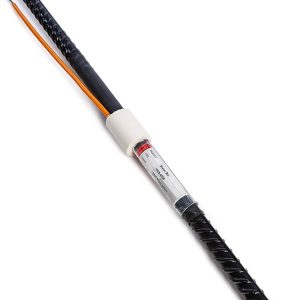

TOTAL EARTH PRESSURE CELLS
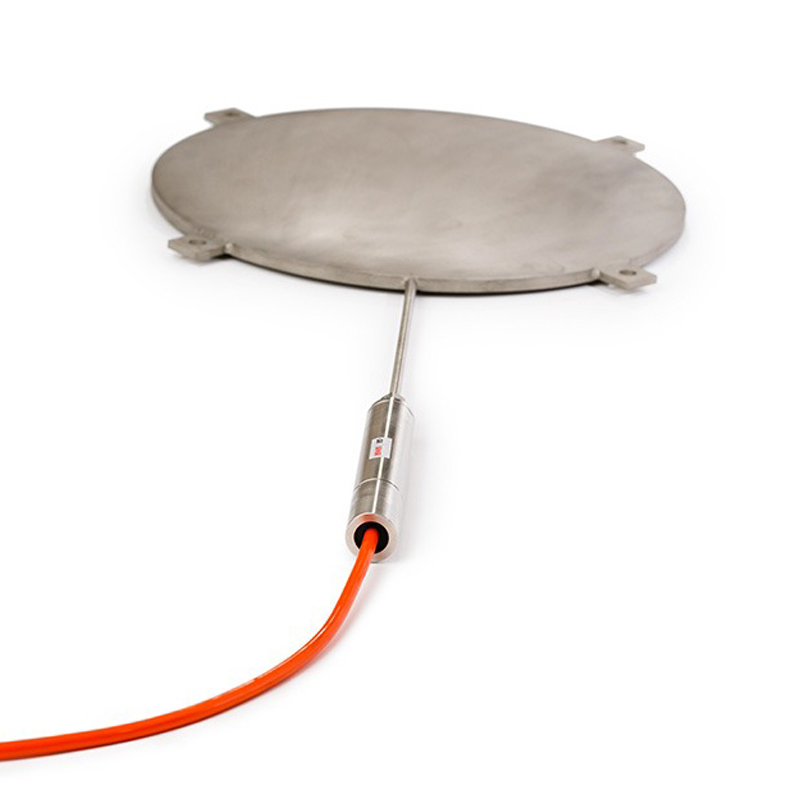
TPC-4000 series Total Earth Pressure cells are designed to measure total pressure (effective stress and pore water pressure) in soils and at the interface between structures and the wall of excavation.
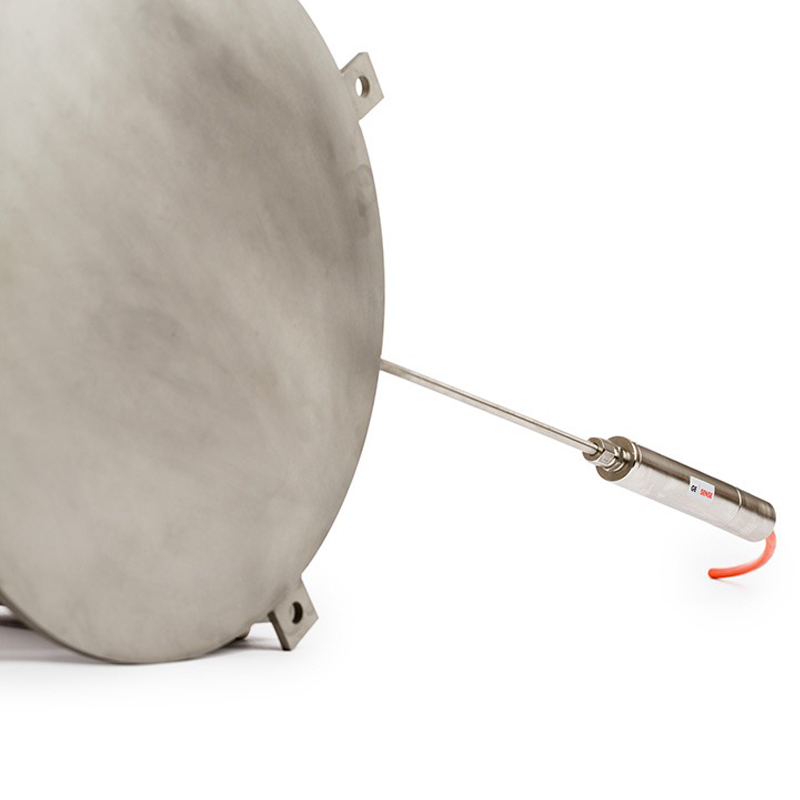
Models 4010 and 4020 are designed to measure soil pressures on structures. They are fitted with an extra thick back plate on one side which is placed against the structure so as to avoid any warping of the cell. The other side has a thin plate welded to the back plate which provides sensitive measurement of soil pressures.
Description
They are constructed from two stainless steel plates, welded around their periphery with the narrow gap between the plates filled with hydraulic fluid.
External pressure on the outside surfaces of the cell squeezes the two plates together creating an internal fluid pressure. A length of stainless steel tube connects the cell to a pressure transducer which converts the fluid pressure into an electrical signal which can be directly readout or transmitted to a data logging system.
Available with vibrating wire or 4-20mA signal outputs.
Additional information
| Brands | |
|---|---|
| Pressure Range |
VWTPC 345kPa – 20.7MPa; SGTPC 100 kPa – 3.5MPa |
| Over range |
150% FS |
| Resolution |
± 0.025% FS, Infinite |
| Accuracy |
± 0.1% FS |
| Linearity |
<0.5% FS |
| Outer diameter |
165, 245, 320mm |
| Active diameter |
150, 230, 305mm |
| Operating temperature |
-20°C to +80°C; -30°C to +95°C |
Reviews (0)
About brand
Geosense Ltd is one of Europe’s leading manufacturers and suppliers of instruments to the geotechnical, civil engineering, mining and environmental industries.
Geosense products are used globally in major projects in more than 68 countries. With a comprehensive in-house design and manufacturing capability, we can provide products not only to tight deadlines but also to suit custom-engineered solutions for specific project requirements.
Geosense specialises in the manufacture of vibrating wire and MEMS sensors, which are used to produce a wide range of instruments. In addition we manufacture automated data acquisition systems to complement our sensors, including wireless systems.
Data Sheets
Related products
VWPHT-3600 SERIES
In stock
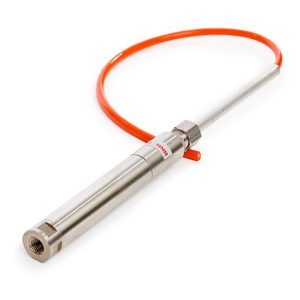
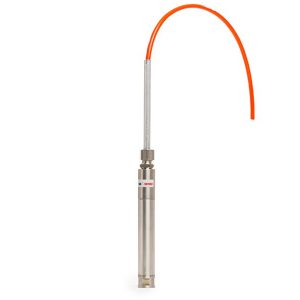
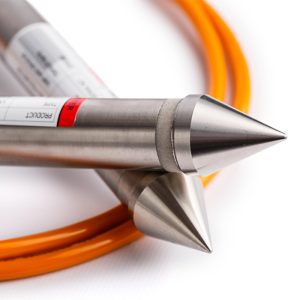
The VWPHT-3600 series High Temperature Piezometers are suitable for the extreme environments of temperature and pressure found within applications such as geothermal heat and enhanced oil recovery systems including steam assisted gravity drainage (SAGD) and cyclic steam stimulation (CSS). They are capable of monitoring high temperatures up to 250°C and pressures up to 34.5 MPa.
DRIVE-IN PIEZOMETERS WP-3400 & SGP-3500 SERIES
In stock
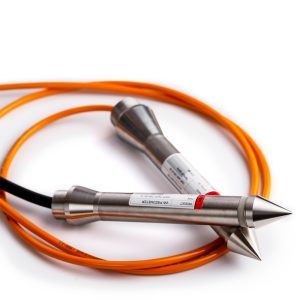
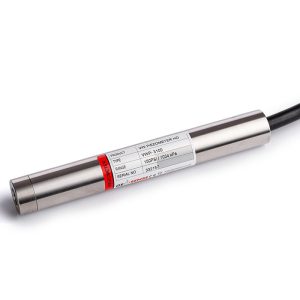
Drive-in piezometers, also referred to as push-in piezometers, are designed for installing in soft clays, organic or fine grained cohesionless soils typically with a SPT-N value less than 10. They are available with a CPT fitting or 1” BSP thread.
Depending on the depth and type of soil, they can either be pushed directly into the soil from ground level to the required depth or pushed into the base of a CPT test or drilled borehole.
PRESSURE TRANSDUCER VWT-9000 SERIES
In stock
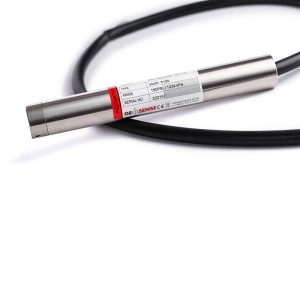
The Geosense® VWT-9000 Series of Pressure Transducers are designed to be connected directly into hydraulic or pneumatic pressure lines by means of a 1/4” BSPF thread. Other thread sizes are available on request.
They are typically used to monitor uplift pressures within dams and to enable manual standpipe piezometers to be upgraded into an automated data acquisition system.
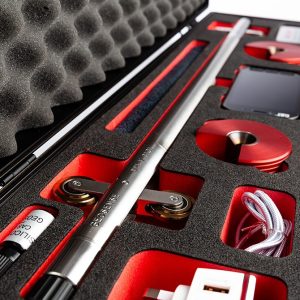
PORTABLE MEMS INCLINOMETER
In stock
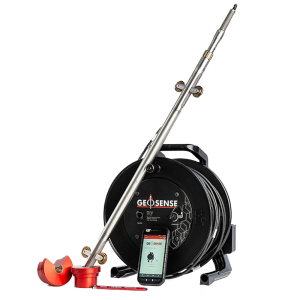
The MEMS Portable Inclinometer system utilises modern communication and Smart devices to enable the tilt data generated by the probe to be managed, stored and transferred directly from site via FTP, API, email or other communication platforms.
It is available for vertical, inclined and horizontal applications.
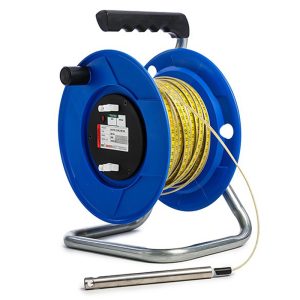
WATER LEVEL METER
In stock
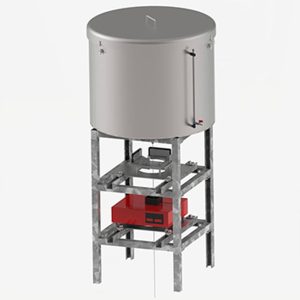
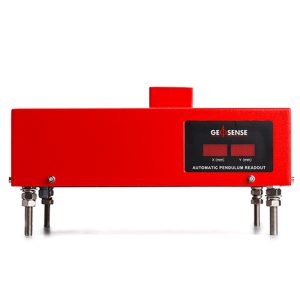
PENDULUM SYSTEM
In stock
HPS-3500 (Hanging) and IPS-3000 (Inverted) Pendulums are used to measure the tilt or rotation by measuring the relative internal horizontal displacement of points along a true vertical line. Each has a tensioned, stainless steel wire and the effects of the earth gravitational forces to guarantee a perfectly vertical line between a fixed point and a tensioning mechanism. Typical applications include concrete dams, bridges and high rise buildings.
INCLINOMETER CASING QJ
In stock
INCLINOMETER CASING XC
In stock

Reviews
There are no reviews yet.