

![rain[e]314](https://terrasense.ae/wp-content/uploads/2023/11/raine314-150x150.jpg)

JACKOUT PRESSURE CELL
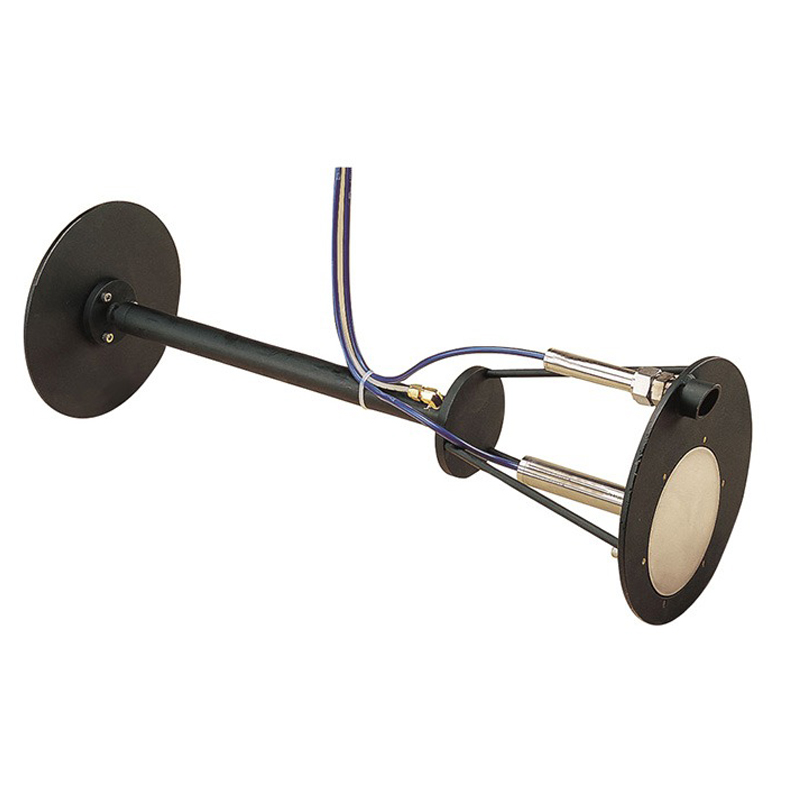
VWJPC-4500 Jackout Pressure Cells are used to measure active and passive pressures on diaphragm walls during excavation. They are installed within the diaphragm wall cage to monitor pressure on the walls. Any build-up of excessive pressure can be detected in time for remedial measures to be carried out.
The Pressure Cell itself is constructed of two circular, stainless steel plates welded around their periphery. The space between the two plates is filled with an incompressible fluid. A transducer is connected to this space and measures the pressure exerted on the incompressible fluid.
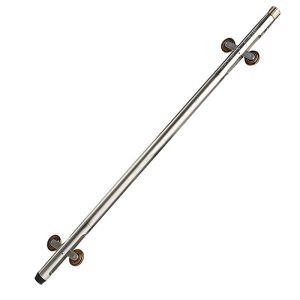
The cell is mounted onto one end of a double acting hydraulic ram via a swivel joint and at the other end is a reaction plate the same diameter as the cell.
The ram and cell assembly is installed into the reinforcement cage with the cell and reaction plate positioned either side of the cage with the ram passing through the reinforcement. It is loosely supported in the cage by tie wires or a prefabricated cradle.
After the reinforcement cage is lowered into the trench the hydraulic jack is hydraulically pressurised forcing the earth pressure cell and reaction plate against the sides of the trench. The hydraulic pressure is increased to ensure good embedment into the trench wall. The ram pressure is maintained throughout the pouring and curing of the concrete.
A vibrating wire piezometer can also be incorporated to measure pore water pressure.
| Brands | Geosense |
|---|---|
| Pressure range | 3350, 700kPa; 1, 2, 3, 5 MPa |
| Over range | 150% |
| Signal output | 2000 – 3500 Hz |
| Resolution | ± 0.025% |
| Accuracy | ± 0.1% FS |
| Linearity | <0.5% FS |
| Outer diameter | 165, 245, 320mm |
| Active diameter | 150, 230, 305mm |
| Thickness | 12.5mm |
| Cell material | Stainless steel |
Related products
STRAIN GAUGE PIEZOMETER SGP-3400 SERIES
In stock
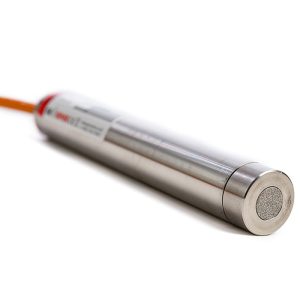
The SGP-3400 Series of strain gauge piezometers are designed for monitoring soil pore pressure or changes in water level and are also suitable for dynamic monitoring such as pumping tests.
They are accurate, highly-reliable and suitable for use in the harsh environments often found within civil engineering including water wells, boreholes, dams, reservoirs, rivers, tanks or any other body of water.
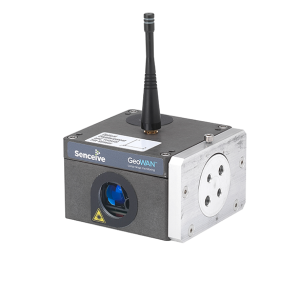
OPTICAL DISPLACEMENT SENSOR NODE
In stock

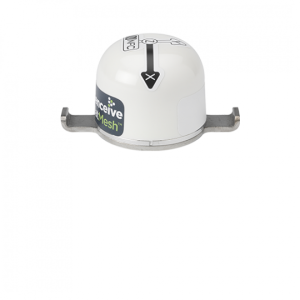
NANO TRIAXIAL TILT SENSOR
In stock
The Nano range uses the same core platform as our other tilt sensors, so it can deliver a similar level of performance and reliability, all in a small and robust enclosure. Nanos have been successfully used in many applications, including:
- Tunnel distortion
- Tunnel heave/settlement
- Embankment slippage (used in conjunction with stake mounts)
- Structural movement
- Rail track heave/settlement
- Rail trackbed cant and twist
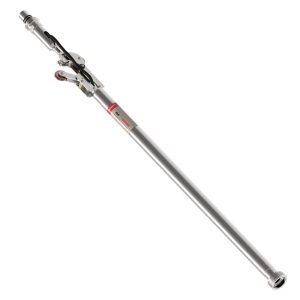
IPI-X IN PLACE INC – EXT
In stock
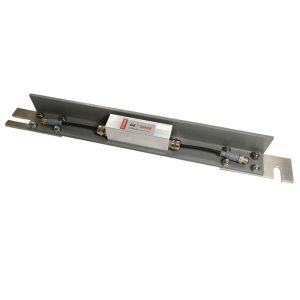
TILT BEAM MEMS
In stock
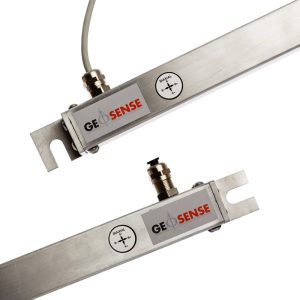
MEMS Tilt Beams are designed for attachment to structures, on either a vertical or horizontal surface, for the measurement of tilt or differential settlement.
They consist of a highly accurate MEMS sensor housed in a fully sealed enclosure which is mounted on a lightweight rigid GRP beam. This can be mounted onto the structure using special anchors. The GRP beam has a very low coefficient of thermal expansion meaning that thermal affects are minimised.
WATER LEVEL METER
In stock
HUMIDITY & CORROSION (CorroDec®2G)
In stock
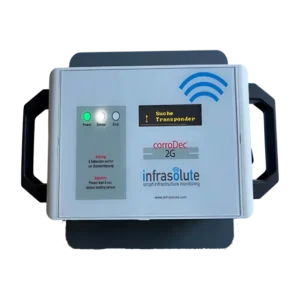
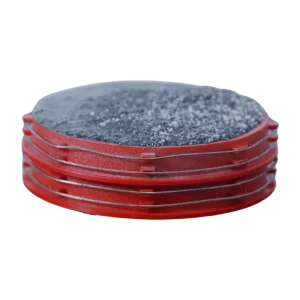
The structural infrastructure must always meet requirements such as performance, stability and durability. These requirements will have a lasting effect on our mobility in the future. The corrosion risk and the corrosion activity of the reinforcing steel largely define these requirements and are determined by various impact and material parameters.
INCLINOMETER SPIRAL SENSOR
In stock
Reviews
There are no reviews yet.