





LOAD CELL FOR TUNNEL LININGS AND STRUTS
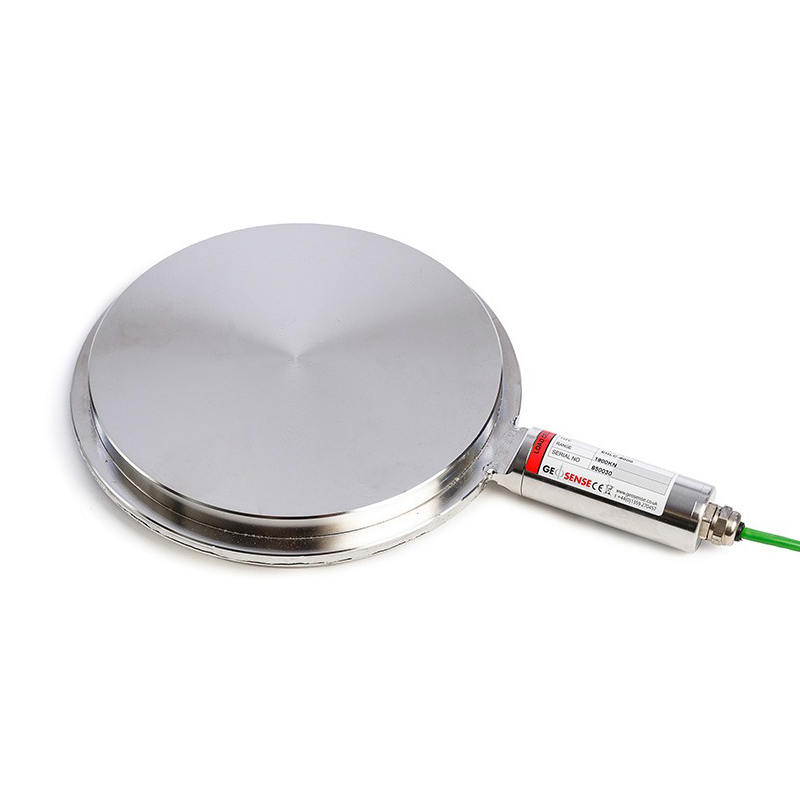
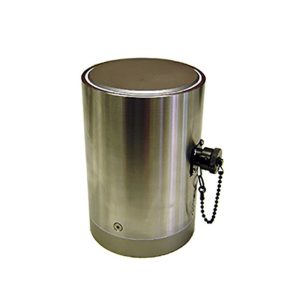
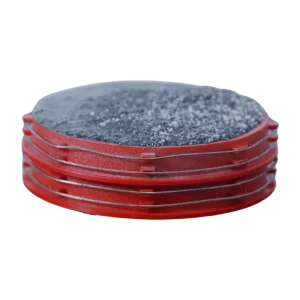
This type of load cell is used to monitor stresses in steel linings, struts, piles and support beams.
It consists of a sensitive pressure pad formed by joining two stiff steel discs at their periphery. The void inside the cell is filled with de-aired fluid. When load is applied to the cell the pressure of the inside liquid changes. The changes in pressure correspond directly to the load applied.
The pressure in the loads cell is measured by a resistance transducer.
Description
Mounting surfaces should be flat and parallel for optimum performance and the use of very stiff bearing plates and load distribution plates is recommended. Electric cable connects the load cells to a suitable remote readout system.
Additional information
| Brands | |
|---|---|
| Measuring range |
1,900 & 3,000 kN |
| Accuracy |
>1% FS |
| Linearity |
+/-0.25% FS |
| Signal output |
4-20 mA (current loop) |
| Repeatability |
> +/- 0.02% FS |
| Admissible loads |
150% FS |
| Ultimate tensile strengths |
300% FS |
| Operating temperature |
-20°C ~ +80°C |
Reviews (0)
About brand
Geosense Ltd is one of Europe’s leading manufacturers and suppliers of instruments to the geotechnical, civil engineering, mining and environmental industries.
Geosense products are used globally in major projects in more than 68 countries. With a comprehensive in-house design and manufacturing capability, we can provide products not only to tight deadlines but also to suit custom-engineered solutions for specific project requirements.
Geosense specialises in the manufacture of vibrating wire and MEMS sensors, which are used to produce a wide range of instruments. In addition we manufacture automated data acquisition systems to complement our sensors, including wireless systems.
Data Sheets
Related products
MULTI-POINT VW PIEZOMETER
In stock
PRESSURE TRANSDUCER VWT-9000 SERIES
In stock
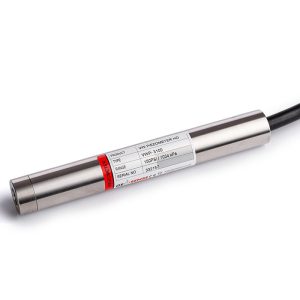
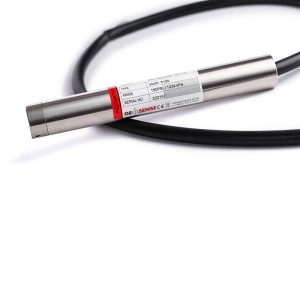
The Geosense® VWT-9000 Series of Pressure Transducers are designed to be connected directly into hydraulic or pneumatic pressure lines by means of a 1/4” BSPF thread. Other thread sizes are available on request.
They are typically used to monitor uplift pressures within dams and to enable manual standpipe piezometers to be upgraded into an automated data acquisition system.
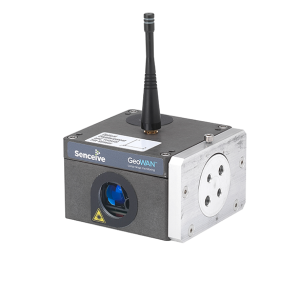
OPTICAL DISPLACEMENT SENSOR NODE
In stock

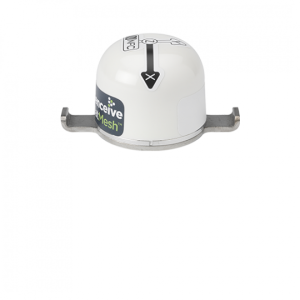
NANO TRIAXIAL TILT SENSOR
In stock
The Nano range uses the same core platform as our other tilt sensors, so it can deliver a similar level of performance and reliability, all in a small and robust enclosure. Nanos have been successfully used in many applications, including:
- Tunnel distortion
- Tunnel heave/settlement
- Embankment slippage (used in conjunction with stake mounts)
- Structural movement
- Rail track heave/settlement
- Rail trackbed cant and twist
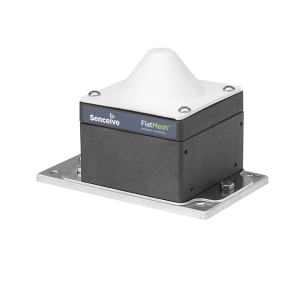
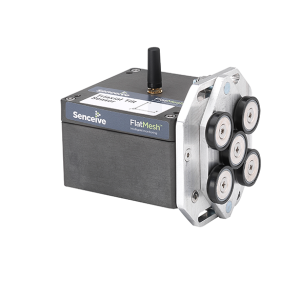
TRIAXIAL TILT SENSOR NODE
In stock
TILT BEAM
In stock
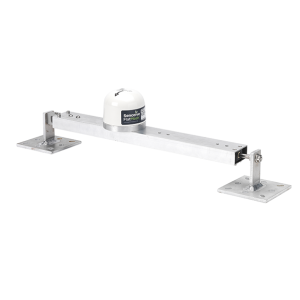
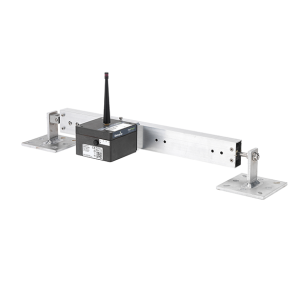
The Tilt Beam is a lightweight, rigid aluminium beam that is used in conjunction with a Triaxial Tilt Node, a NanoPlus or a NanoMacro.
The tilt beam has been successfully used in many applications, including:
- Movement monitoring of any structure
- Longitudinal settlement
- Tunnel convergence/divergence
- Lateral displacements
STANDPIPE PIEZOMETER
In stock
HUMIDITY & CORROSION (CorroDec®2G)
In stock
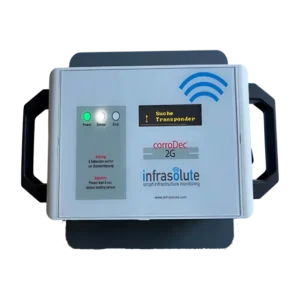
The structural infrastructure must always meet requirements such as performance, stability and durability. These requirements will have a lasting effect on our mobility in the future. The corrosion risk and the corrosion activity of the reinforcing steel largely define these requirements and are determined by various impact and material parameters.
Reviews
There are no reviews yet.