



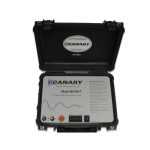

PUSH-IN PRESSURE CELL
A Push-in Pressure Cell, also called Spade Cell, is designed to be pushed into the ground where it can measure total earth pressure and pore water pressure within the soil. It can be used as a site investigation tool to determine the in-situ stress state, both vertical and horizontal, depending on the direction of installation. In addition, it can be used to monitor the change in active and passive pressure around retaining structures (diaphragm walls etc) as well as in tunnelling, and other earthworks. Typical installations are in fine grained cohesive soils, including very soft to stiff clays.
It consists of two longitudinal stainless steel plates, welded together around their periphery. The annular space between these plates is filled with de-aired glycol. A port and filter for pore water pressure measurement are located on one of the flat sides of the support plate behind the pressure sensitive section of the cell.
The pressure cell and the port for the pore water pressure are connected via stainless steel tubes to two pressure transducers integrated in the cell, typically vibrating wire, or pneumatic, or strain gauged if dynamic measurements are to be performed. A thermistor for temperature measurement is also incorporated.
| Brands | Geosense |
|---|---|
| Capacity | 70, 170, 350, 700 kPa 1, 2, 3, 5MPa |
| Over Range | 150% FS (maximum) |
| Resolution | 0.025% FS (minimum) |
| Accuracy | ± 0.1% FS |
| Temperature Range | -20° to +80°C |
Related products
IPX IN-PLACE EXTENSOMETER
In stock
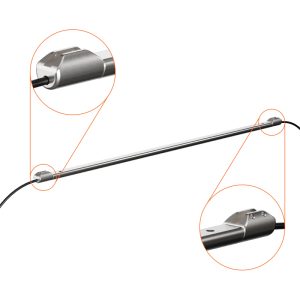
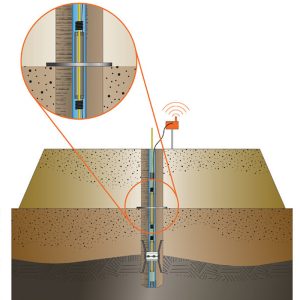
The In-Place Extensometer (IPX) offers automated monitoring of standard magnetic extensometer installations. The system is designed for a simple, adaptable installation with a single cable connection at the top of the borehole. Its large measurement range accommodates large levels of settlement or heave, and ease of adjustment means it can be reconfigured for changed site conditions such as embankment filling or cutting.
STRAIN GAUGE PIEZOMETER SGP-3400 SERIES
In stock
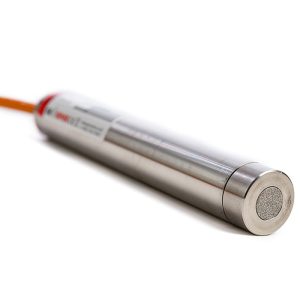
The SGP-3400 Series of strain gauge piezometers are designed for monitoring soil pore pressure or changes in water level and are also suitable for dynamic monitoring such as pumping tests.
They are accurate, highly-reliable and suitable for use in the harsh environments often found within civil engineering including water wells, boreholes, dams, reservoirs, rivers, tanks or any other body of water.
DRIVE-IN PIEZOMETERS WP-3400 & SGP-3500 SERIES
In stock
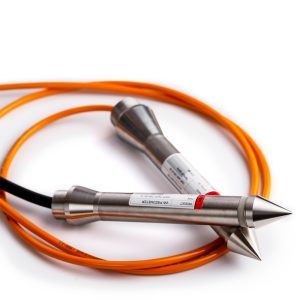
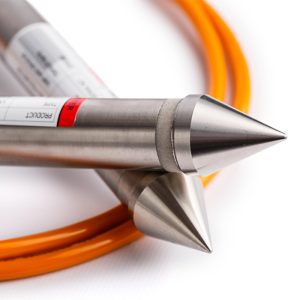
Drive-in piezometers, also referred to as push-in piezometers, are designed for installing in soft clays, organic or fine grained cohesionless soils typically with a SPT-N value less than 10. They are available with a CPT fitting or 1” BSP thread.
Depending on the depth and type of soil, they can either be pushed directly into the soil from ground level to the required depth or pushed into the base of a CPT test or drilled borehole.
TILT BEAM
In stock
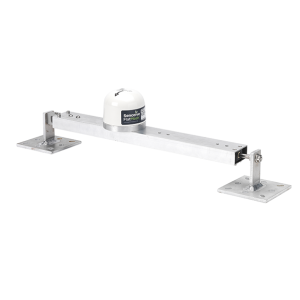
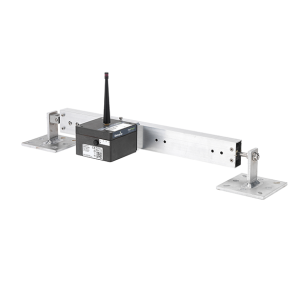
The Tilt Beam is a lightweight, rigid aluminium beam that is used in conjunction with a Triaxial Tilt Node, a NanoPlus or a NanoMacro.
The tilt beam has been successfully used in many applications, including:
- Movement monitoring of any structure
- Longitudinal settlement
- Tunnel convergence/divergence
- Lateral displacements
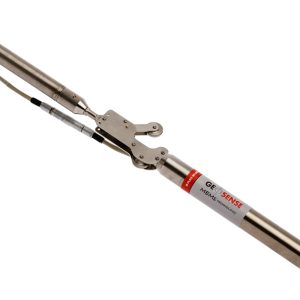
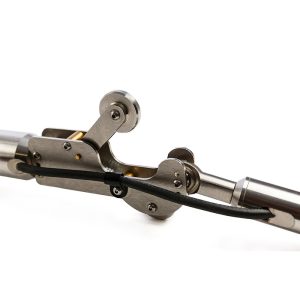
IN-PLACE INCLINOMETER (IPI)
In stock
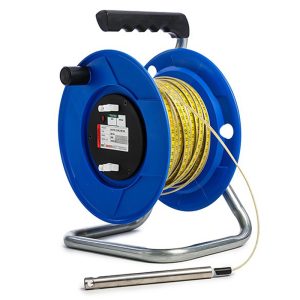
WATER LEVEL METER
In stock
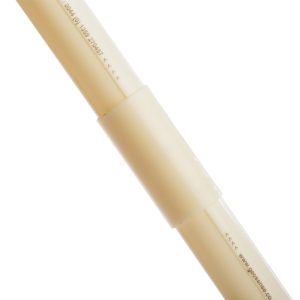
INCLINOMETER CASING XC
In stock
INCLINOMETER SPIRAL SENSOR
In stock
Reviews
There are no reviews yet.