





NATM PRESSURE CELLS NPC-3000
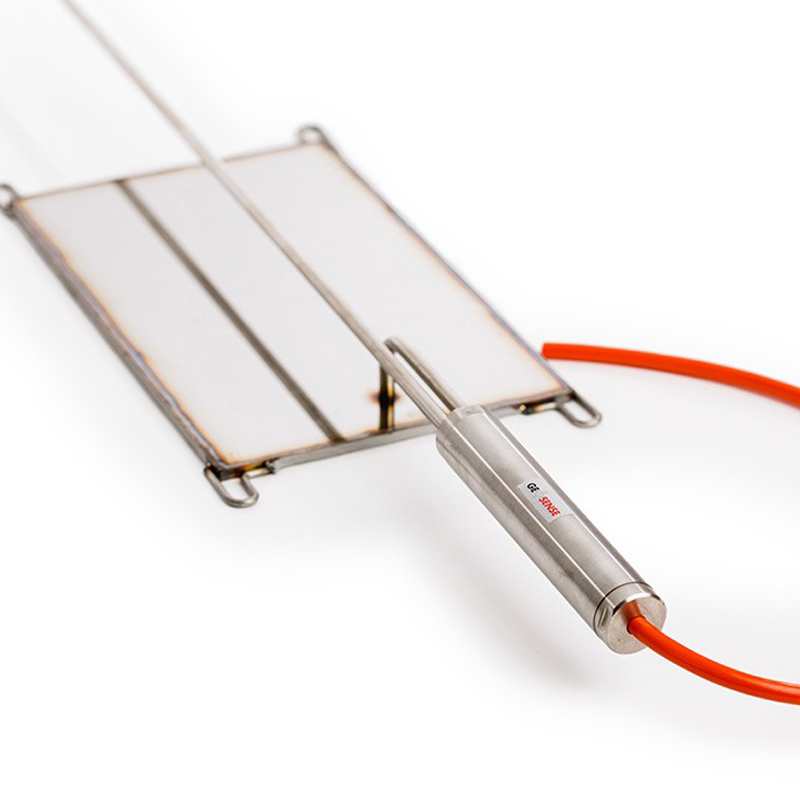
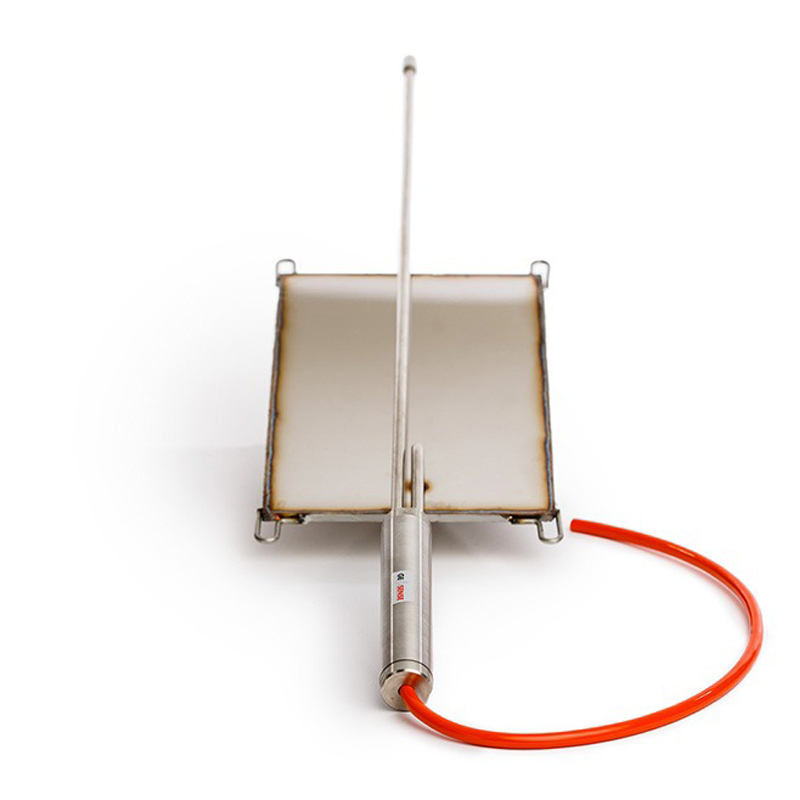
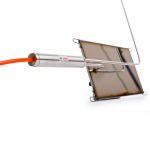
NPC-3000 Series NATM Pressure cells are designed to monitor stress of shotcrete in the construction of tunnels, particularly those using the New Austrian Tunnel Method and other underground works. Monitoring of the radial and tangential stresses within shotcrete linings is vital to its success.
The cells are constructed from two stainless steel plates welded around their periphery with the narrow gap between the plates filled with hydraulic fluid.
As the stress increases within shotcrete or concrete the fluid pressure within the cell rises as the plates are squeezed together.
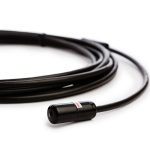
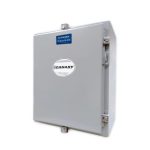
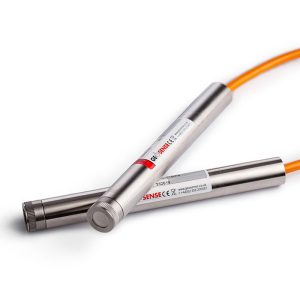
A length of stainless steel tube connects the plates to a pressure transducer (VWDT 5000 or SGT 3000) that converts the pressure to an electrical signal which can be read directly with a MP12 readout or data logged.
NATM cells installed in concrete expand with increasing temperature as the concrete or shotcrete cures. After cooling the cell will contract leaving a gap between it and the concrete so that the stresses are prevented from reaching the well. In order to continue to monitor the stresses the cell can be re-pressurised using the attached pinch tube to re-expand the cell so that it once again comes in contact with the concrete surface.
| Brands | Geosense |
|---|---|
| Range | 2, 3, 5, 7, 20, 35 MPa |
| Over range | 150% FS |
| Resolution | ± 0.025% FS |
| Accuracy | ± 0.1% FS |
| Linearity | <0.5% FS |
| Cell dimensions | 100 x 200mm; 150 x 250mm |
| Cell thickness | 5 mm |
| Operating temperature | 20°C to +80°C |
Related products

VW PIEZOMETER VWP-3000 SERIES
In stock
IPX IN-PLACE EXTENSOMETER
In stock
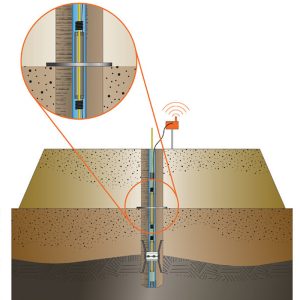
The In-Place Extensometer (IPX) offers automated monitoring of standard magnetic extensometer installations. The system is designed for a simple, adaptable installation with a single cable connection at the top of the borehole. Its large measurement range accommodates large levels of settlement or heave, and ease of adjustment means it can be reconfigured for changed site conditions such as embankment filling or cutting.
BOREHOLE ROD EXTENSOMETER
In stock
The Geosense® GEO-XB2 borehole rod type extensometer range is used to measure and locate settlement, displacement and deformation in soil and rock.
It consists of a reference head and one or more in-hole anchors each of which is placed at a known depth and connected to the reference head by either a rigid or flexible rod running inside a flexible sleeve, which keeps the rod de-bonded from the grout.
DRIVE-IN PIEZOMETERS WP-3400 & SGP-3500 SERIES
In stock
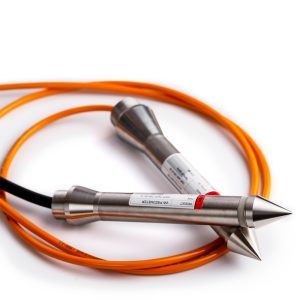
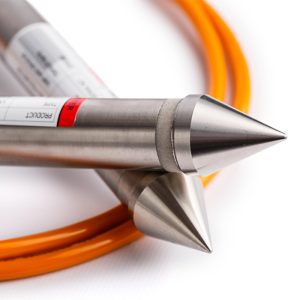
Drive-in piezometers, also referred to as push-in piezometers, are designed for installing in soft clays, organic or fine grained cohesionless soils typically with a SPT-N value less than 10. They are available with a CPT fitting or 1” BSP thread.
Depending on the depth and type of soil, they can either be pushed directly into the soil from ground level to the required depth or pushed into the base of a CPT test or drilled borehole.
IN-PLACE TILT METER MEMS
In stock
PORTABLE MEMS INCLINOMETER
In stock
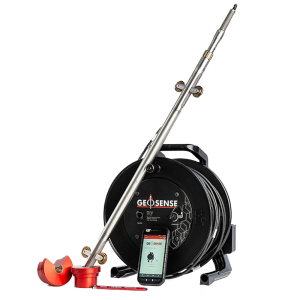
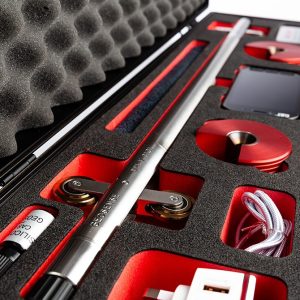
The MEMS Portable Inclinometer system utilises modern communication and Smart devices to enable the tilt data generated by the probe to be managed, stored and transferred directly from site via FTP, API, email or other communication platforms.
It is available for vertical, inclined and horizontal applications.
PENDULUM SYSTEM
In stock
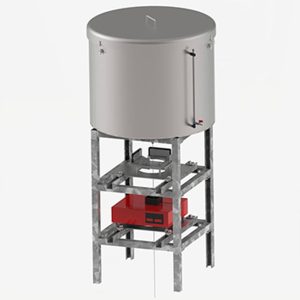
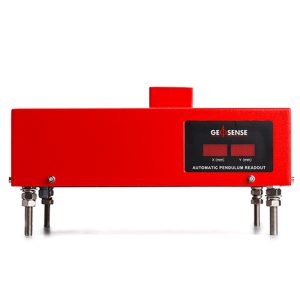
HPS-3500 (Hanging) and IPS-3000 (Inverted) Pendulums are used to measure the tilt or rotation by measuring the relative internal horizontal displacement of points along a true vertical line. Each has a tensioned, stainless steel wire and the effects of the earth gravitational forces to guarantee a perfectly vertical line between a fixed point and a tensioning mechanism. Typical applications include concrete dams, bridges and high rise buildings.
INCLINOMETER SPIRAL SENSOR
In stock
Reviews
There are no reviews yet.