


THERMISTOR
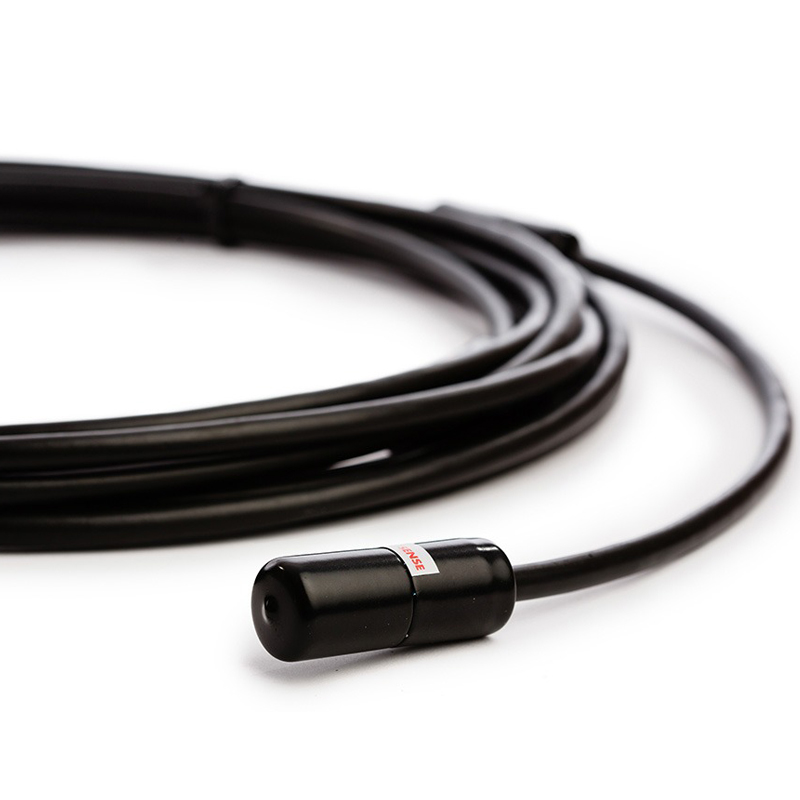
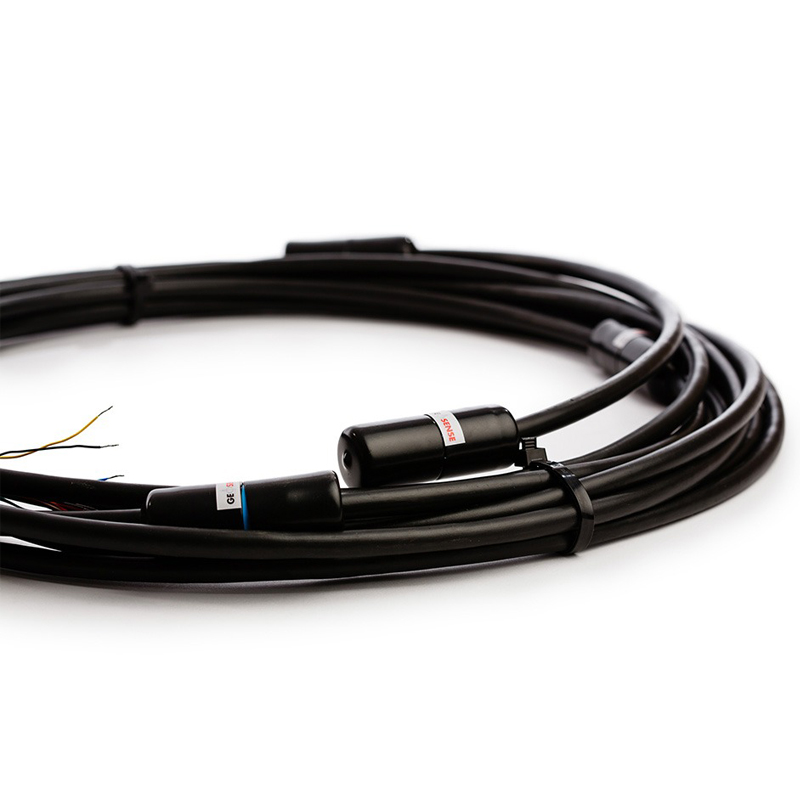
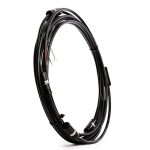
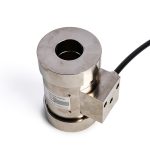
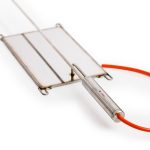
Thermistors provide accurate and reliable long-term temperature measurements and are used widely in the extremely harsh environments found within Geotechnical monitoring.
They are available in two types:
- Probe – A single point sensor mounted within a PVC or stainless steel housing which is attached to a cable length.
- String – A series of sensors mounted along a multi-core cable which provide a temperature profile and is manufactured to customer requirements in terms of the number and spacing of each sensor.
The NTC (negative temperature coefficient ) thermistor sensor has a resistance that decreases with increasing temperature and with a coefficient >4%/ºC allows it to detect very small changes in temperature. They have a non-linear output that is represented by the Steinhart–Hart equation.
T= (1 / (A + B (LnR) + C(LnR) 3)) –273.2
Where: T = Temperature in degrees Centigrade
LnR= Natural log of Thermistor resistance in ohms
Readings can be made with a wide range of readout units including the VW2106 and the MP12 which display the reading directly in engineering units (degrees Celsius) or by an ohmmeter in combination with look-up tables. Readings can also be automated using an automatic data acquisition unit.
| Brands | Geosense |
|---|---|
| Temperature Range | −50 to +150°C |
| Accuracy | ±0.2 ºC |
| Resolution | 0.1ºC |
Related products
IPX IN-PLACE EXTENSOMETER
In stock
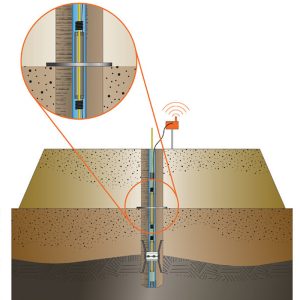
The In-Place Extensometer (IPX) offers automated monitoring of standard magnetic extensometer installations. The system is designed for a simple, adaptable installation with a single cable connection at the top of the borehole. Its large measurement range accommodates large levels of settlement or heave, and ease of adjustment means it can be reconfigured for changed site conditions such as embankment filling or cutting.
STRAIN GAUGE PIEZOMETER SGP-3400 SERIES
In stock
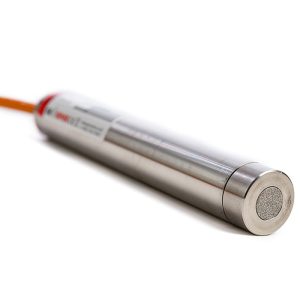
The SGP-3400 Series of strain gauge piezometers are designed for monitoring soil pore pressure or changes in water level and are also suitable for dynamic monitoring such as pumping tests.
They are accurate, highly-reliable and suitable for use in the harsh environments often found within civil engineering including water wells, boreholes, dams, reservoirs, rivers, tanks or any other body of water.
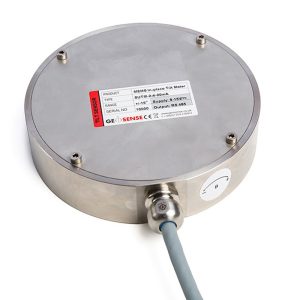
SUBMERSIBLE TILT METER
In stock
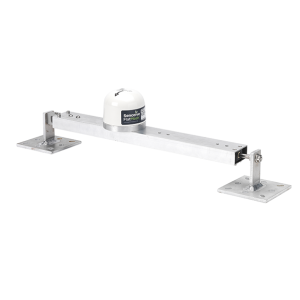
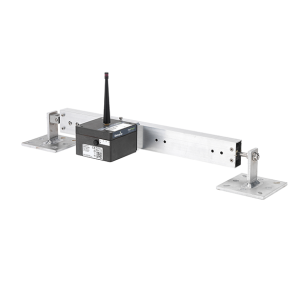
TILT BEAM
In stock
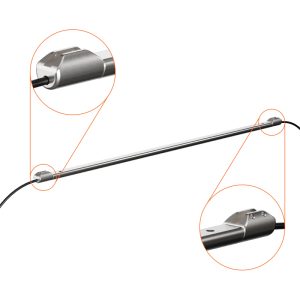
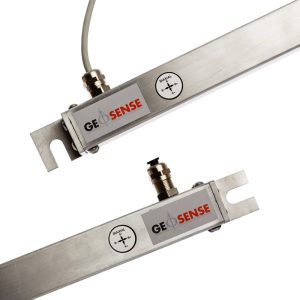
The Tilt Beam is a lightweight, rigid aluminium beam that is used in conjunction with a Triaxial Tilt Node, a NanoPlus or a NanoMacro.
The tilt beam has been successfully used in many applications, including:
- Movement monitoring of any structure
- Longitudinal settlement
- Tunnel convergence/divergence
- Lateral displacements
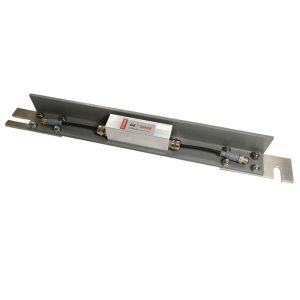
TILT BEAM MEMS
In stock
MEMS Tilt Beams are designed for attachment to structures, on either a vertical or horizontal surface, for the measurement of tilt or differential settlement.
They consist of a highly accurate MEMS sensor housed in a fully sealed enclosure which is mounted on a lightweight rigid GRP beam. This can be mounted onto the structure using special anchors. The GRP beam has a very low coefficient of thermal expansion meaning that thermal affects are minimised.
PENDULUM SYSTEM
In stock
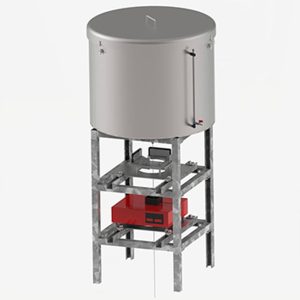
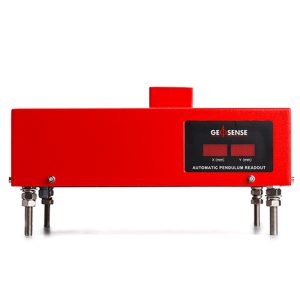
HPS-3500 (Hanging) and IPS-3000 (Inverted) Pendulums are used to measure the tilt or rotation by measuring the relative internal horizontal displacement of points along a true vertical line. Each has a tensioned, stainless steel wire and the effects of the earth gravitational forces to guarantee a perfectly vertical line between a fixed point and a tensioning mechanism. Typical applications include concrete dams, bridges and high rise buildings.
INCLINOMETER SPIRAL SENSOR
In stock
MAGNETIC EXTENSOMETER GXM RANGE
In stock
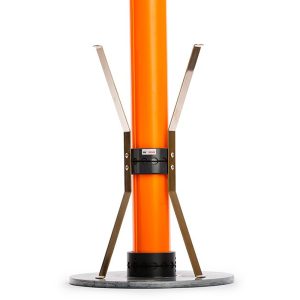
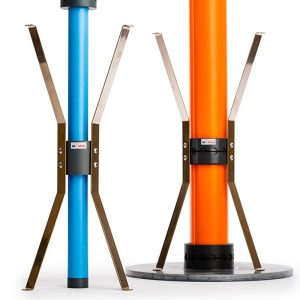
The GEO-XM settlement system is a magnet extensometer system used typically to monitor settlement and heave in foundations, excavations and embankments.
Data received identifies the depth and position where settlement has occurred as well as the total amount of settlement.
It can also be installed behind retaining structures, such as sheet piles and slurry walls, and above underground openings, such as tunnels and shafts.
Reviews
There are no reviews yet.