





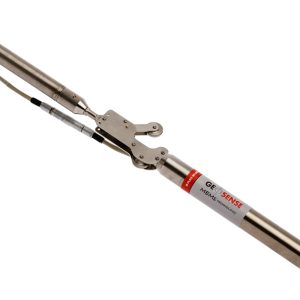

TILT BEAM
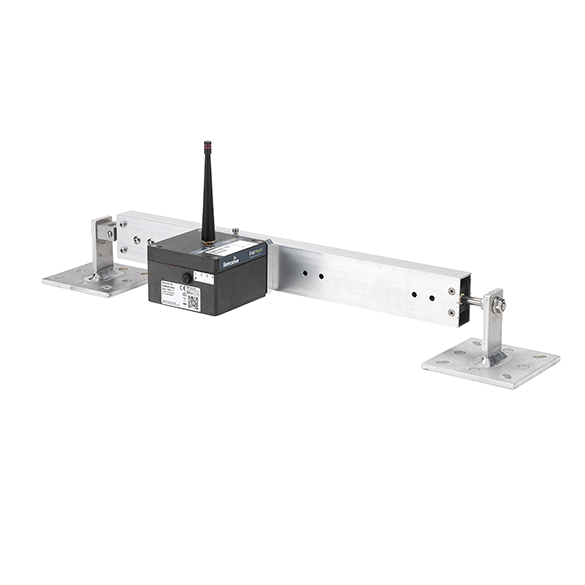
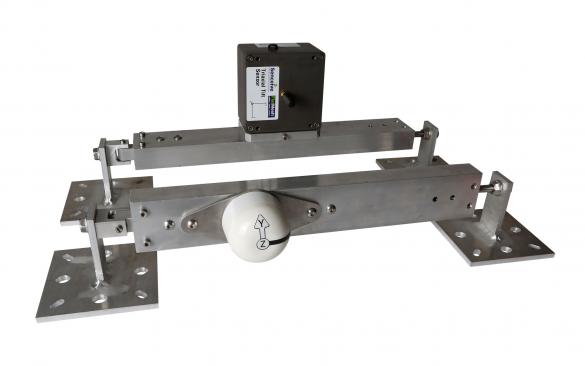
The Tilt Beam is a lightweight, rigid aluminium beam that is used in conjunction with a Triaxial Tilt Node, a NanoPlus or a NanoMacro.
The tilt beam has been successfully used in many applications, including:
- Movement monitoring of any structure
- Longitudinal settlement
- Tunnel convergence/divergence
- Lateral displacements
Description
The tilt beam can be mounted in any orientation and rapidly deployed in single and daisy chained configurations.
Installation of the tilt beam can be performed with minimal tools in minutes. Complex bolting and washer arrangements are not required due to the beam’s inbuilt bearing and joint system. This allows for thermal expansion and misalignment of the support brackets while still accurately monitoring the structure. The attached tilt node does not require any levelling, further reducing installation time.
Features
- Lightweight and durable aluminium and stainless-steel construction
- Fully wireless; no wiring or electrical connections required
- Simple installation and removal. Brackets installed in minutes; beam installed in seconds
- Can be installed in any orientation without requiring levelling
- Low friction, weather resistant bearings that do not require maintenance or lubrication
- Automatically compensates for thermal expansion and misalignment of support brackets
- Can be daisy chained to provide movement profiles
Additional information
| Brands | |
|---|---|
| Beam Dimensions |
500 mm, 1000 mm, 2000 mm, 3000 mm |
| Support Bracket Dimensions |
Base: 100×100 mm Height: 75 mm |
| Total Mass (without node) |
2 kg (approx. for 2 m beam) |
| Material |
Aluminium with A2 stainless steel fasteners |
Reviews (0)
About brand
Since 2005, Senceive has been singularly focused on bringing intelligent wireless condition monitoring to civil engineering and rail applications. Senceive is widely seen as the global leader for wireless remote condition monitoring solutions, with more than 30,000 sensors installed in 2020 alone.
Data Sheets
Related products
DRIVE-IN PIEZOMETERS WP-3400 & SGP-3500 SERIES
In stock
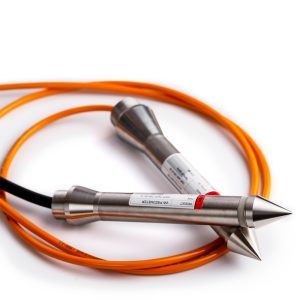
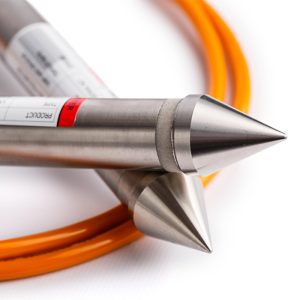
Drive-in piezometers, also referred to as push-in piezometers, are designed for installing in soft clays, organic or fine grained cohesionless soils typically with a SPT-N value less than 10. They are available with a CPT fitting or 1” BSP thread.
Depending on the depth and type of soil, they can either be pushed directly into the soil from ground level to the required depth or pushed into the base of a CPT test or drilled borehole.
OPTICAL DISPLACEMENT SENSOR NODE
In stock
PORTABLE MEMS INCLINOMETER
In stock
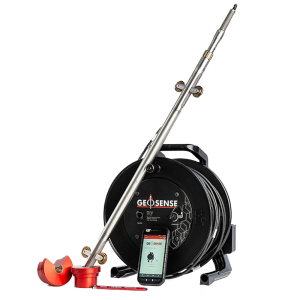
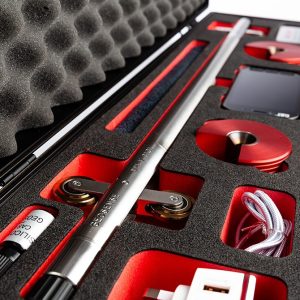
The MEMS Portable Inclinometer system utilises modern communication and Smart devices to enable the tilt data generated by the probe to be managed, stored and transferred directly from site via FTP, API, email or other communication platforms.
It is available for vertical, inclined and horizontal applications.
IPI-X IN PLACE INC – EXT
In stock
TILT BEAM MEMS
In stock
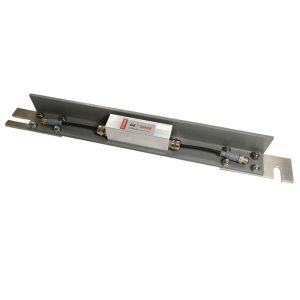
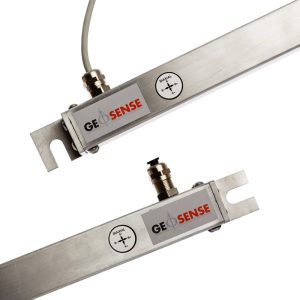
MEMS Tilt Beams are designed for attachment to structures, on either a vertical or horizontal surface, for the measurement of tilt or differential settlement.
They consist of a highly accurate MEMS sensor housed in a fully sealed enclosure which is mounted on a lightweight rigid GRP beam. This can be mounted onto the structure using special anchors. The GRP beam has a very low coefficient of thermal expansion meaning that thermal affects are minimised.
IMAGING & CAMERA
In stock
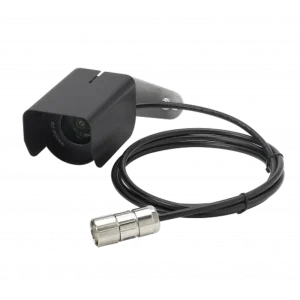
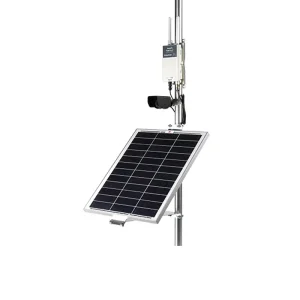
The FlatMesh 4G Camera is a best in class solar powered solution for static imagery in remote or industrial areas.
It contains a monochrome digital camera which can take clear, high quality photographs day or night without the use of external illuminators.
The 4G camera connects to a Senceive EdgeHub (with FlatMesh) unit which provides power and connectivity over the cellular network (2G/3G/4G) or existing wired ethernet networks.
HUMIDITY & CORROSION (CorroDec®2G)
In stock
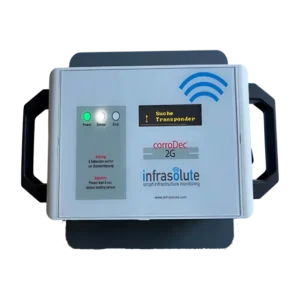
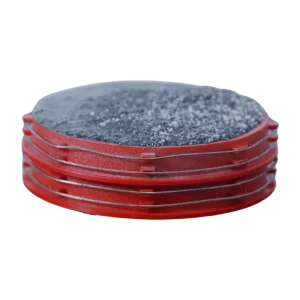
The structural infrastructure must always meet requirements such as performance, stability and durability. These requirements will have a lasting effect on our mobility in the future. The corrosion risk and the corrosion activity of the reinforcing steel largely define these requirements and are determined by various impact and material parameters.
MAGNETIC EXTENSOMETER GXM RANGE
In stock
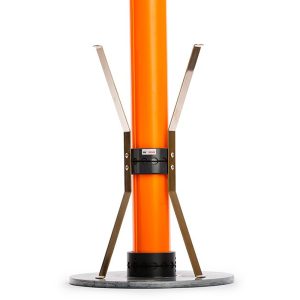
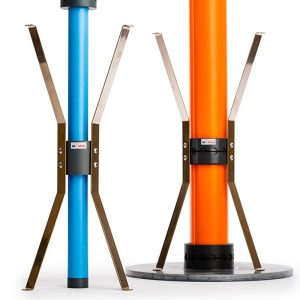
The GEO-XM settlement system is a magnet extensometer system used typically to monitor settlement and heave in foundations, excavations and embankments.
Data received identifies the depth and position where settlement has occurred as well as the total amount of settlement.
It can also be installed behind retaining structures, such as sheet piles and slurry walls, and above underground openings, such as tunnels and shafts.

Reviews
There are no reviews yet.