



VW HYDROSTATIC PROFILER
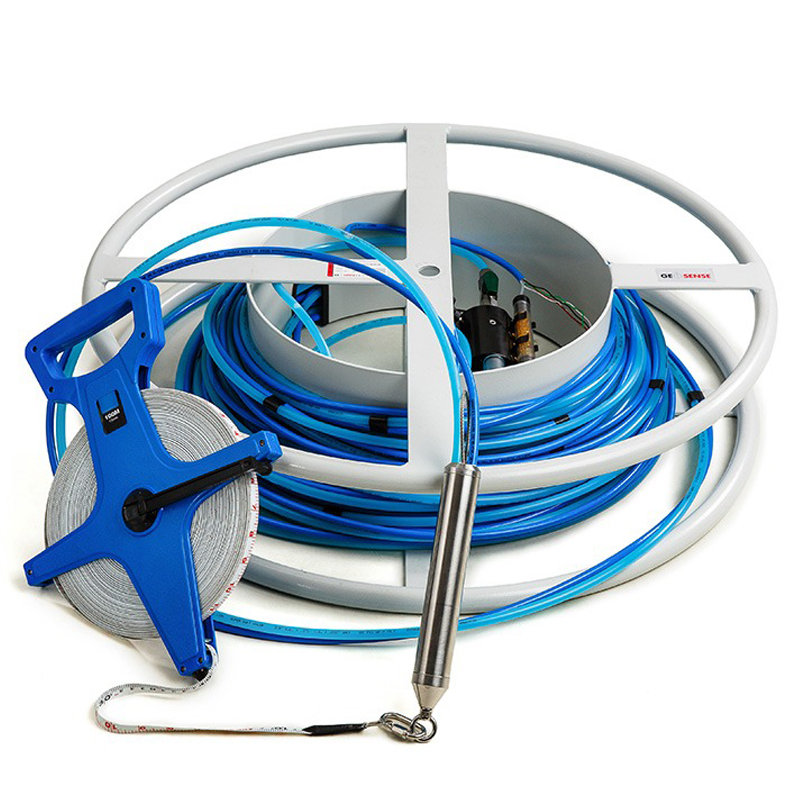
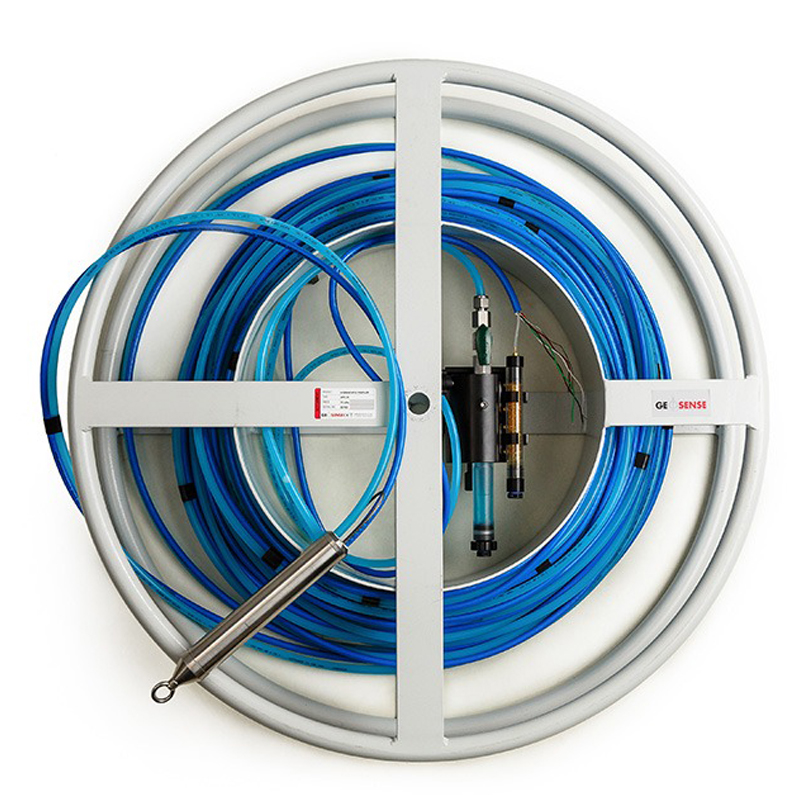
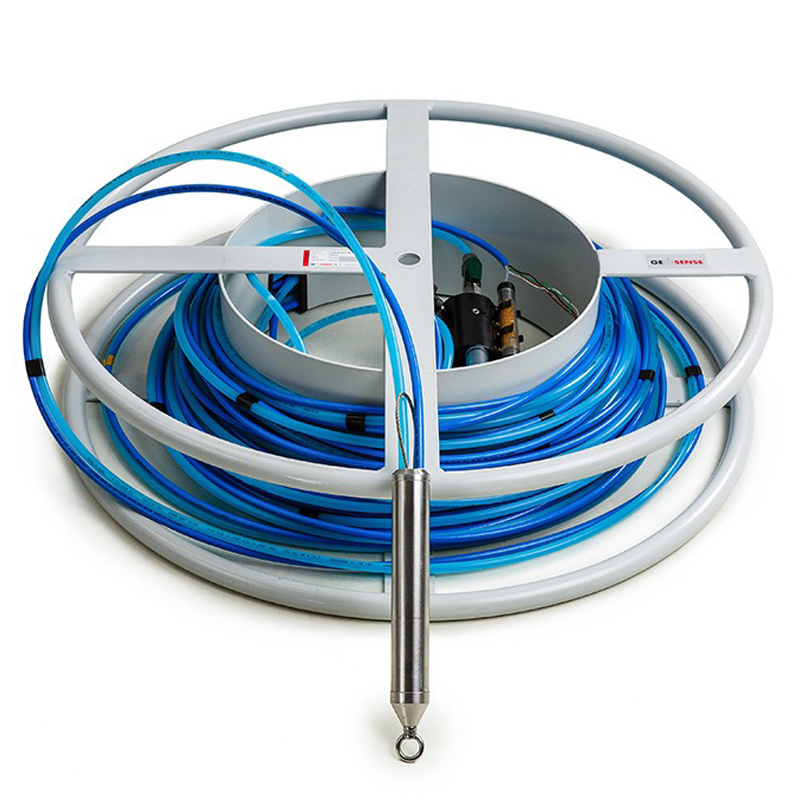
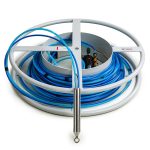
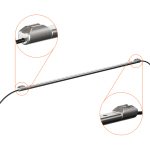
The Vibrating Wire Hydrostatic Profiler is used for the measurement of subsurface settlement. The sensor measures the hydrostatic head of liquid between the sensor and the reservoir locations.
Working principle: A vibrating wire sensor is located within a probe that can be pulled through a buried pipe or borehole. The sensor is connected via a liquid-filled tube mounted on a reel which is mounted horizontally at the reservoir location on stable ground. The reel is free to turn as the probe is pulled through the pipe or borehole.
| Brands | Geosense |
|---|---|
| Standard Range | 7 m |
| Resolution | 0.025% FS |
| Sensor Accuracy | 0.1% FS |
| Temperature Range | -20°C to +80°C |
Related products
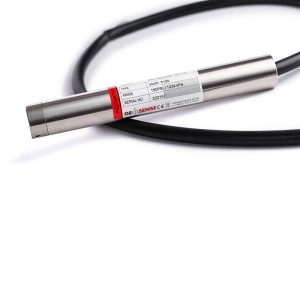
PRESSURE TRANSDUCER VWT-9000 SERIES
In stock
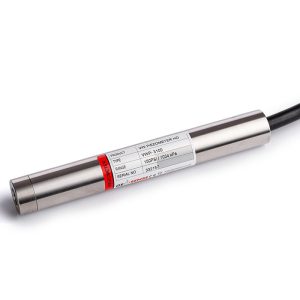
The Geosense® VWT-9000 Series of Pressure Transducers are designed to be connected directly into hydraulic or pneumatic pressure lines by means of a 1/4” BSPF thread. Other thread sizes are available on request.
They are typically used to monitor uplift pressures within dams and to enable manual standpipe piezometers to be upgraded into an automated data acquisition system.
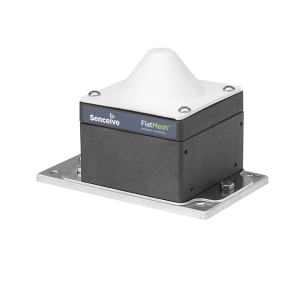
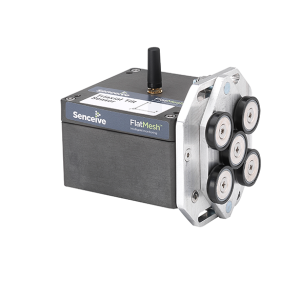
TRIAXIAL TILT SENSOR NODE
In stock
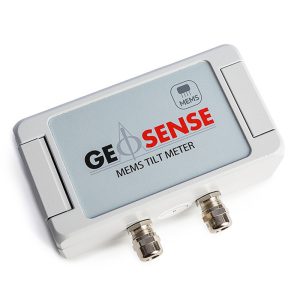
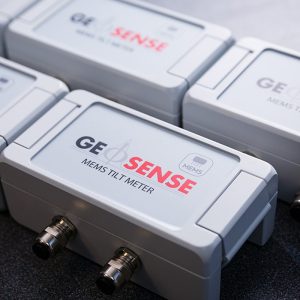
IN-PLACE TILT METER MEMS
In stock
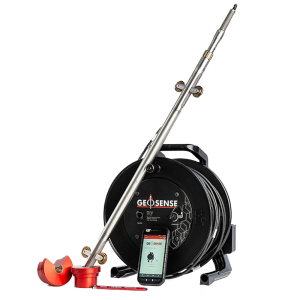
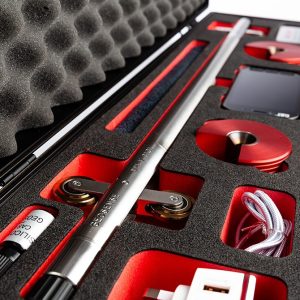
PORTABLE MEMS INCLINOMETER
In stock
The MEMS Portable Inclinometer system utilises modern communication and Smart devices to enable the tilt data generated by the probe to be managed, stored and transferred directly from site via FTP, API, email or other communication platforms.
It is available for vertical, inclined and horizontal applications.
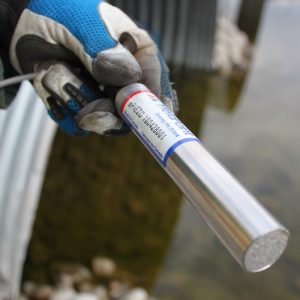
DIGITAL PIEZOMETER – dPiezo
In stock
IPI-X IN PLACE INC – EXT
In stock
PENDULUM SYSTEM
In stock
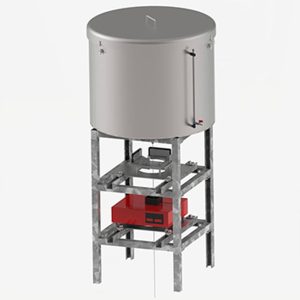
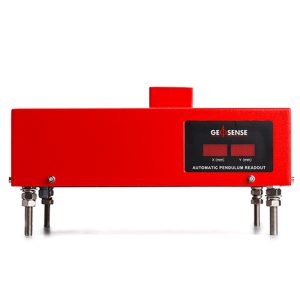
HPS-3500 (Hanging) and IPS-3000 (Inverted) Pendulums are used to measure the tilt or rotation by measuring the relative internal horizontal displacement of points along a true vertical line. Each has a tensioned, stainless steel wire and the effects of the earth gravitational forces to guarantee a perfectly vertical line between a fixed point and a tensioning mechanism. Typical applications include concrete dams, bridges and high rise buildings.
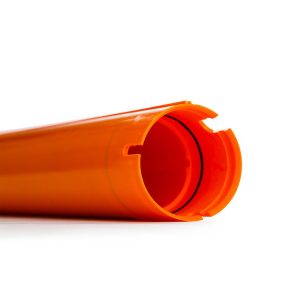
INCLINOMETER CASING QJ
In stock
Reviews
There are no reviews yet.