

VW STRAIN GAUGE SPOT WELD VWS-2020
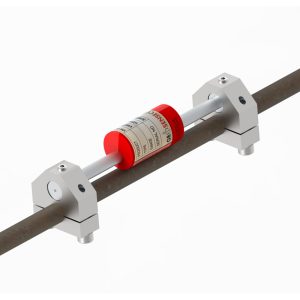
The VWS-2020 series vibrating wire strain gauges are designed primarily to measure strains on the surface of steel structures but may also be used on other types of material.
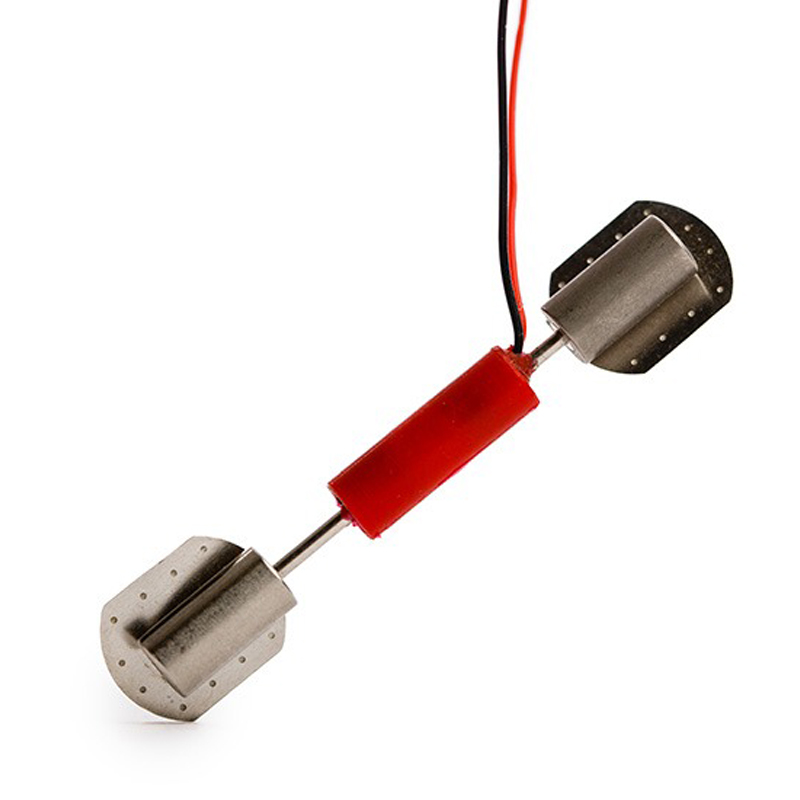
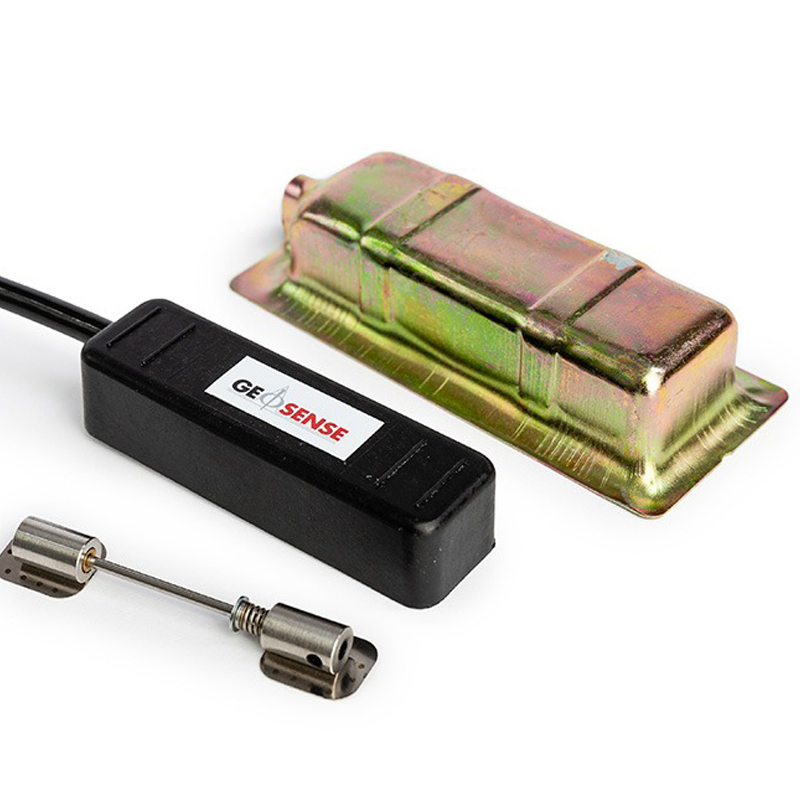
The gauge consists of two end blocks with a tensioned steel wire between them. The end blocks are attached to stainless steel tabs which may be attached to steel structures by spot welding or, using alternative end blocks, bonded or grouted.
Precision tensioning is carried out on site using a special tensioning jig and the gauge can be set for compression, tension or at mid-point.
Description
The strain gauge operates on the principle that a tensioned wire, when plucked, vibrates at its resonant frequency. The square of this frequency is proportional to the strain in the wire.
Around the wire is a magnetic coil which when pulsed by a vibrating wire readout or data logger interface plucks the wire and measures the resultant resonant frequency of vibration.
As the steel or other surface undergoes strain the end blocks will move relative to each other. The tension in the wire between the blocks will change accordingly thus altering the resonant frequency of the wire.
VWS-2020 strain gauges are available in two versions:
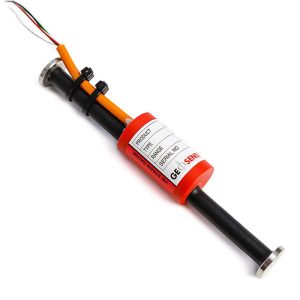
- Gauge with integral coil housing
- Gauge only with separate coil housing
Additional information
| Brands | |
|---|---|
| Strain Range |
3000 με |
| Resolution |
0.4 με |
| Accuracy |
±0.1% (individual calibration) to ±0.5% (standard batch calibration) FS |
| Non linearity |
<0.5% FS |
| Temperature range |
-20°C to +80°C |
| Gauge length |
49 mm |
| Overall length |
65 mm |
Reviews (0)
About brand
Geosense Ltd is one of Europe’s leading manufacturers and suppliers of instruments to the geotechnical, civil engineering, mining and environmental industries.
Geosense products are used globally in major projects in more than 68 countries. With a comprehensive in-house design and manufacturing capability, we can provide products not only to tight deadlines but also to suit custom-engineered solutions for specific project requirements.
Geosense specialises in the manufacture of vibrating wire and MEMS sensors, which are used to produce a wide range of instruments. In addition we manufacture automated data acquisition systems to complement our sensors, including wireless systems.
Data Sheets
Related products
VWPHT-3600 SERIES
In stock
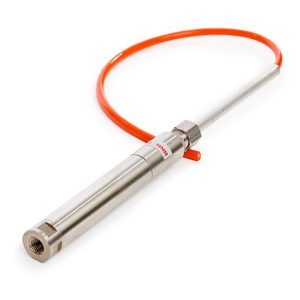
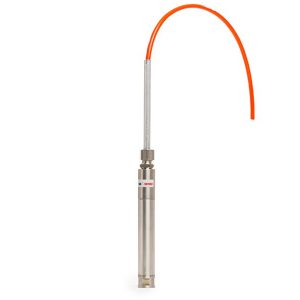
The VWPHT-3600 series High Temperature Piezometers are suitable for the extreme environments of temperature and pressure found within applications such as geothermal heat and enhanced oil recovery systems including steam assisted gravity drainage (SAGD) and cyclic steam stimulation (CSS). They are capable of monitoring high temperatures up to 250°C and pressures up to 34.5 MPa.
OPTICAL DISPLACEMENT SENSOR NODE
In stock

NANO TRIAXIAL TILT SENSOR
In stock
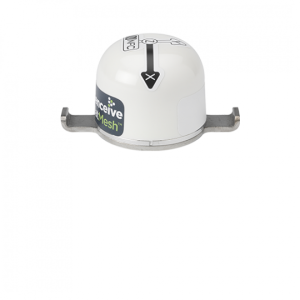
The Nano range uses the same core platform as our other tilt sensors, so it can deliver a similar level of performance and reliability, all in a small and robust enclosure. Nanos have been successfully used in many applications, including:
- Tunnel distortion
- Tunnel heave/settlement
- Embankment slippage (used in conjunction with stake mounts)
- Structural movement
- Rail track heave/settlement
- Rail trackbed cant and twist
SUBMERSIBLE TILT METER
In stock
TILT BEAM
In stock
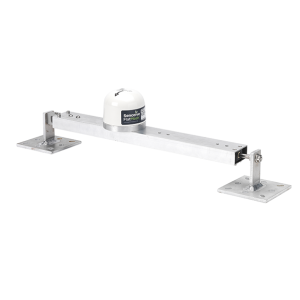
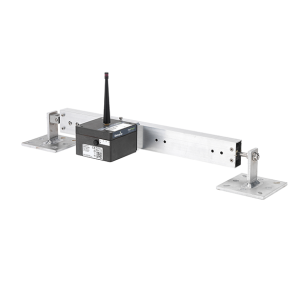
The Tilt Beam is a lightweight, rigid aluminium beam that is used in conjunction with a Triaxial Tilt Node, a NanoPlus or a NanoMacro.
The tilt beam has been successfully used in many applications, including:
- Movement monitoring of any structure
- Longitudinal settlement
- Tunnel convergence/divergence
- Lateral displacements
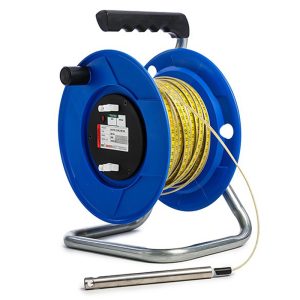
WATER LEVEL METER
In stock
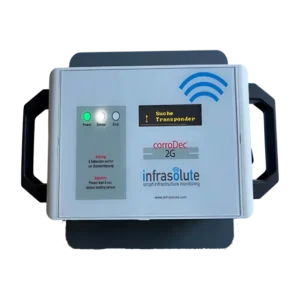
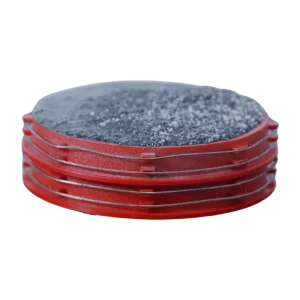
HUMIDITY & CORROSION (CorroDec®2G)
In stock
The structural infrastructure must always meet requirements such as performance, stability and durability. These requirements will have a lasting effect on our mobility in the future. The corrosion risk and the corrosion activity of the reinforcing steel largely define these requirements and are determined by various impact and material parameters.
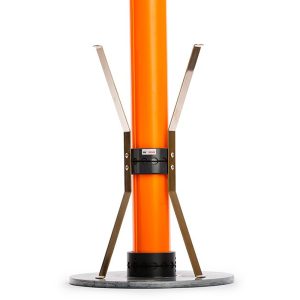
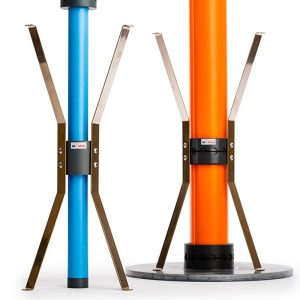
MAGNETIC EXTENSOMETER GXM RANGE
In stock
The GEO-XM settlement system is a magnet extensometer system used typically to monitor settlement and heave in foundations, excavations and embankments.
Data received identifies the depth and position where settlement has occurred as well as the total amount of settlement.
It can also be installed behind retaining structures, such as sheet piles and slurry walls, and above underground openings, such as tunnels and shafts.

Reviews
There are no reviews yet.