


VW STRAIN GAUGE STRAND ANCHOR VWS-2800
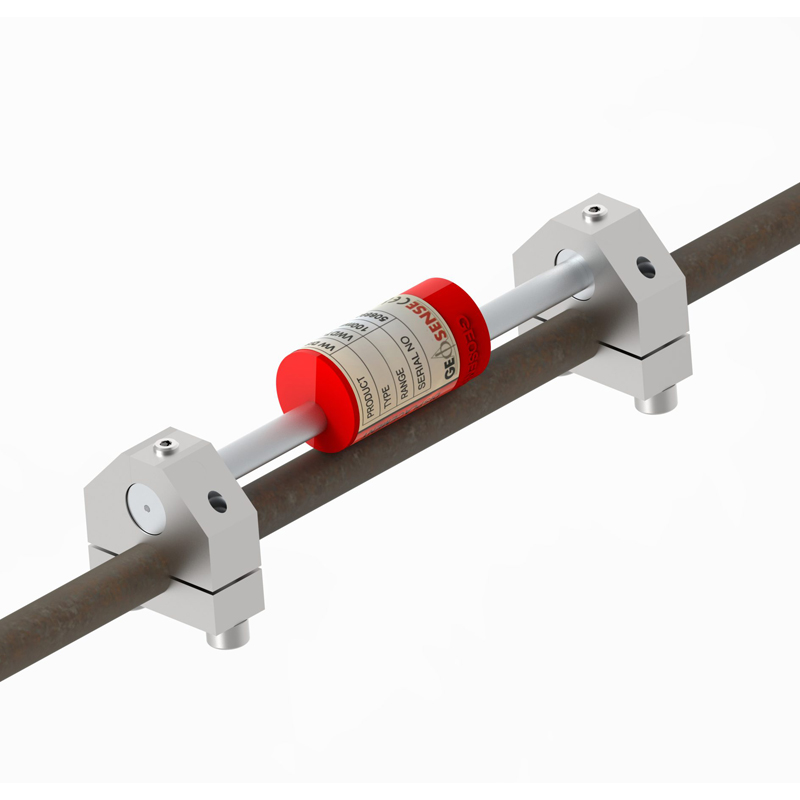
The VWS-2800 vibrating wire strain gauge is designed for the monitoring of strain along stranded anchors.
The gauge is housed within a robust cover to de-bond it from the surrounding grout and the specially-designed mounting blocks ensure the strain is transferred from the strand to the gauge. The low profile design means that multiple sensors can be installed along the bonded length of strand anchors.
The strain gauge operates on the principle that a tensioned wire, when plucked, vibrates at its resonant frequency. The square of this frequency is proportional to the strain in the wire.
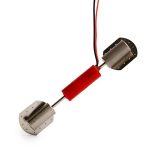
The gauge consists of two end blocks with a tensioned steel wire between them. The end blocks can be attached by either arc welding, bonding or groutable anchors to steel or concrete.
Around the wire is a magnetic coil which, when pulsed by a vibrating readout or data logger interface, plucks the wire and measures the resultant resonant frequency of vibration. As the steel undergoes strain the end blocks will move relative to each other. The tension in the wire between the blocks will change accordingly thus altering the resonant frequency of the wire.
| Brands | Geosense |
|---|---|
| Strain Range | 7500 με |
| Gauge length | 150mm |
| Overall length | 156mm |
| Resolution | 1 με |
| Accuracy | ±0.1% to ±0.5% FS |
| Non linearity | <0.5% FS |
Related products

VW PIEZOMETER VWP-3000 SERIES
In stock
DRIVE-IN PIEZOMETERS WP-3400 & SGP-3500 SERIES
In stock
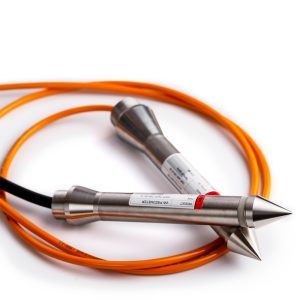
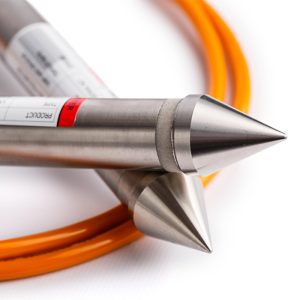
Drive-in piezometers, also referred to as push-in piezometers, are designed for installing in soft clays, organic or fine grained cohesionless soils typically with a SPT-N value less than 10. They are available with a CPT fitting or 1” BSP thread.
Depending on the depth and type of soil, they can either be pushed directly into the soil from ground level to the required depth or pushed into the base of a CPT test or drilled borehole.

NANO TRIAXIAL TILT SENSOR
In stock
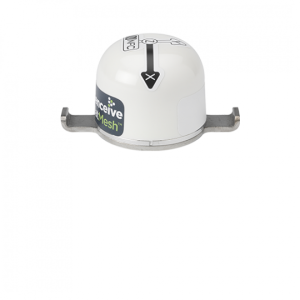
The Nano range uses the same core platform as our other tilt sensors, so it can deliver a similar level of performance and reliability, all in a small and robust enclosure. Nanos have been successfully used in many applications, including:
- Tunnel distortion
- Tunnel heave/settlement
- Embankment slippage (used in conjunction with stake mounts)
- Structural movement
- Rail track heave/settlement
- Rail trackbed cant and twist
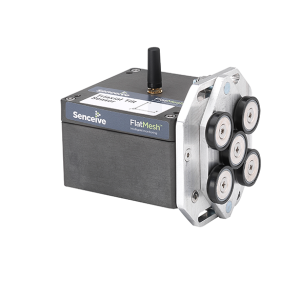
TRIAXIAL TILT SENSOR NODE
In stock
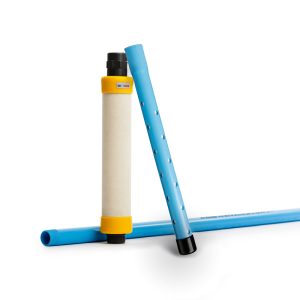
STANDPIPE PIEZOMETER
In stock
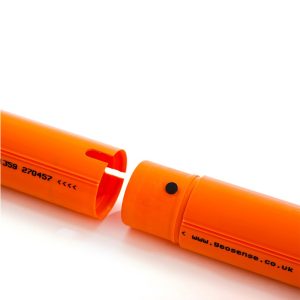

INCLINOMETER CASING QJ
In stock
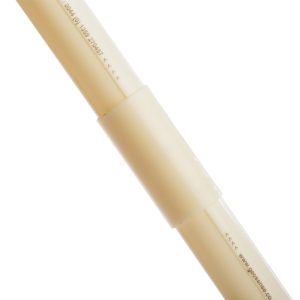
INCLINOMETER CASING XC
In stock
MAGNETIC EXTENSOMETER GXM RANGE
In stock
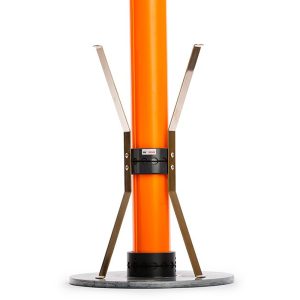
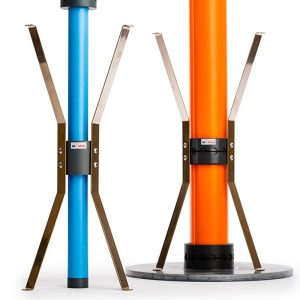
The GEO-XM settlement system is a magnet extensometer system used typically to monitor settlement and heave in foundations, excavations and embankments.
Data received identifies the depth and position where settlement has occurred as well as the total amount of settlement.
It can also be installed behind retaining structures, such as sheet piles and slurry walls, and above underground openings, such as tunnels and shafts.
Reviews
There are no reviews yet.