

VW STRAIN GAUGE SURFACE MOUNT VWS-2000
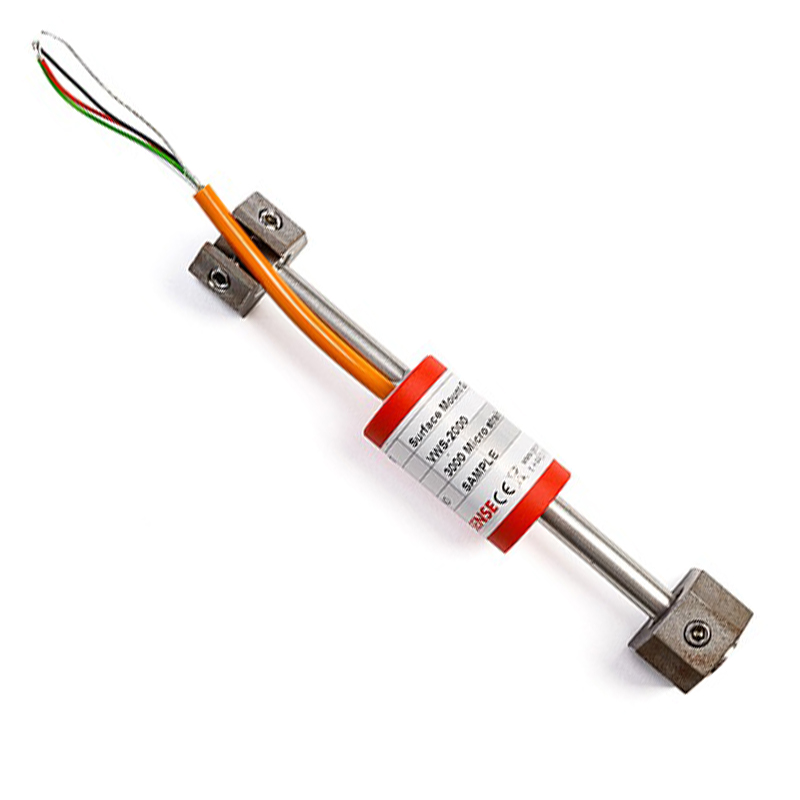
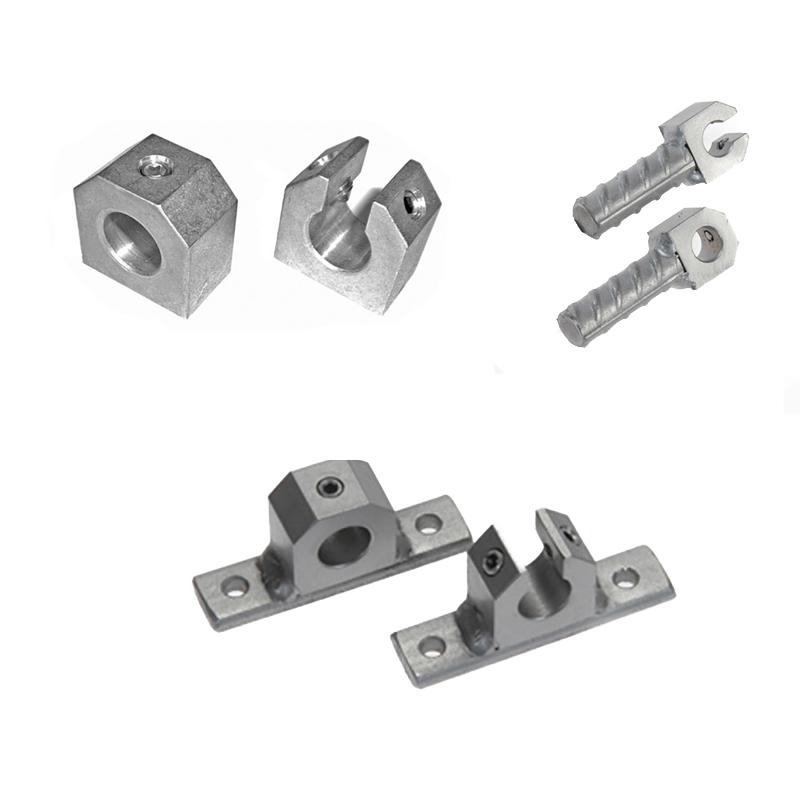
The VWS-2000 series vibrating wire surface strain mount gauges are designed for the long term monitoring of steel or concrete structures. Gauges may be attached to steel structures by arc welding or, using alternative end blocks, bonded or grouted into concrete.
The strain gauge operates on the principle that a tensioned wire, when plucked, vibrates at its resonant frequency. The square of this frequency is proportional to the strain in the wire.
Description
The gauge consists of two end blocks with a tensioned steel wire between them. The end blocks can be attached by either arc welding, bonding or groutable anchors to steel or concrete.
Around the wire is a magnetic coil which when pulsed by a vibrating readout or data logger interface plucks the wire and measures the resultant resonant frequency of vibration.
As the steel or concrete surface undergoes strain the end blocks will move relative to each other. The tension in the wire between the blocks will change accordingly thus altering the resonant frequency of the wire.
Additional information
| Brands | |
|---|---|
| Strain Range |
3000 με |
| Gauge length |
VWS-2000: 150mm; VWS-2010: 89mm |
| Overall length |
VWS-2000: 156mm; VWS-2010: 95mm |
| Resolution |
1 με |
| Accuracy |
±0.1 (individual calibration) to ±0.5% FS (standard batch calibration) |
| Non linearity |
<0.5% FS |
| Temperature |
-20°C to +80°C |
| Frequency range |
VWS-2000: 850-1550 VWS-2010: 900-2000 |
Reviews (0)
About brand
Geosense Ltd is one of Europe’s leading manufacturers and suppliers of instruments to the geotechnical, civil engineering, mining and environmental industries.
Geosense products are used globally in major projects in more than 68 countries. With a comprehensive in-house design and manufacturing capability, we can provide products not only to tight deadlines but also to suit custom-engineered solutions for specific project requirements.
Geosense specialises in the manufacture of vibrating wire and MEMS sensors, which are used to produce a wide range of instruments. In addition we manufacture automated data acquisition systems to complement our sensors, including wireless systems.
Data Sheets
Related products
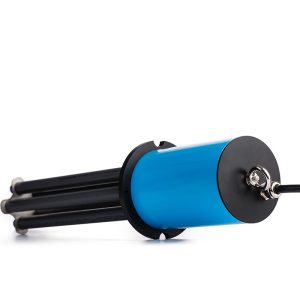
BOREHOLE ROD EXTENSOMETER
In stock
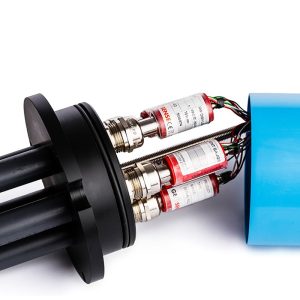
The Geosense® GEO-XB2 borehole rod type extensometer range is used to measure and locate settlement, displacement and deformation in soil and rock.
It consists of a reference head and one or more in-hole anchors each of which is placed at a known depth and connected to the reference head by either a rigid or flexible rod running inside a flexible sleeve, which keeps the rod de-bonded from the grout.
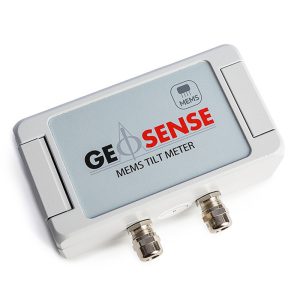
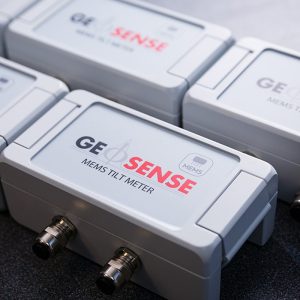
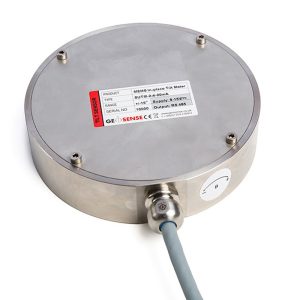
IN-PLACE TILT METER MEMS
In stock
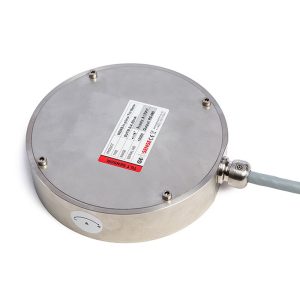
SUBMERSIBLE TILT METER
In stock
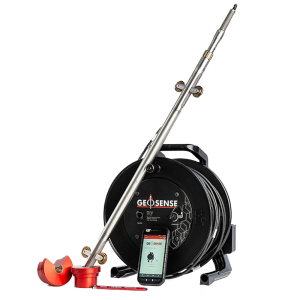
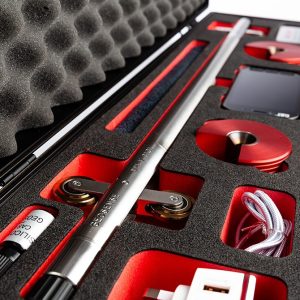
PORTABLE MEMS INCLINOMETER
In stock
The MEMS Portable Inclinometer system utilises modern communication and Smart devices to enable the tilt data generated by the probe to be managed, stored and transferred directly from site via FTP, API, email or other communication platforms.
It is available for vertical, inclined and horizontal applications.
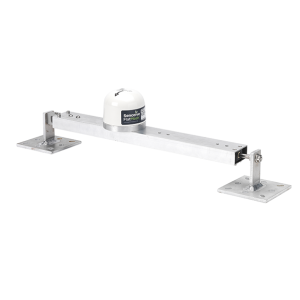
TILT BEAM
In stock
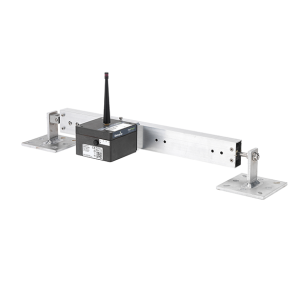
The Tilt Beam is a lightweight, rigid aluminium beam that is used in conjunction with a Triaxial Tilt Node, a NanoPlus or a NanoMacro.
The tilt beam has been successfully used in many applications, including:
- Movement monitoring of any structure
- Longitudinal settlement
- Tunnel convergence/divergence
- Lateral displacements
IN-PLACE INCLINOMETER (IPI)
In stock
STANDPIPE PIEZOMETER
In stock
WATER LEVEL METER
In stock

Reviews
There are no reviews yet.