

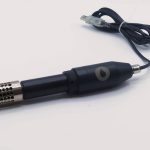

VW STRAIN GAUGE SURFACE MOUNT VWS-2000
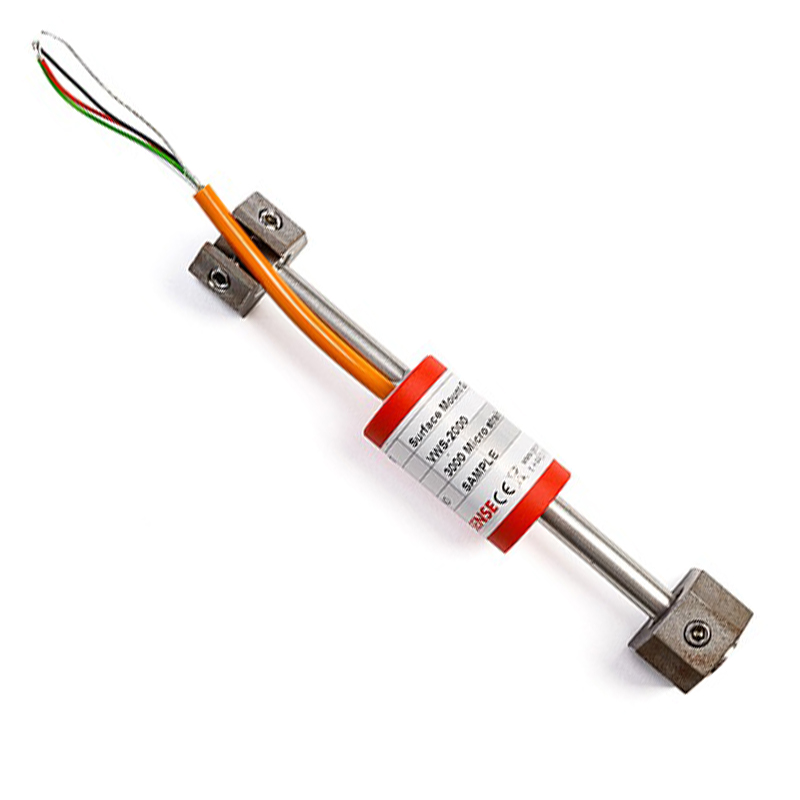
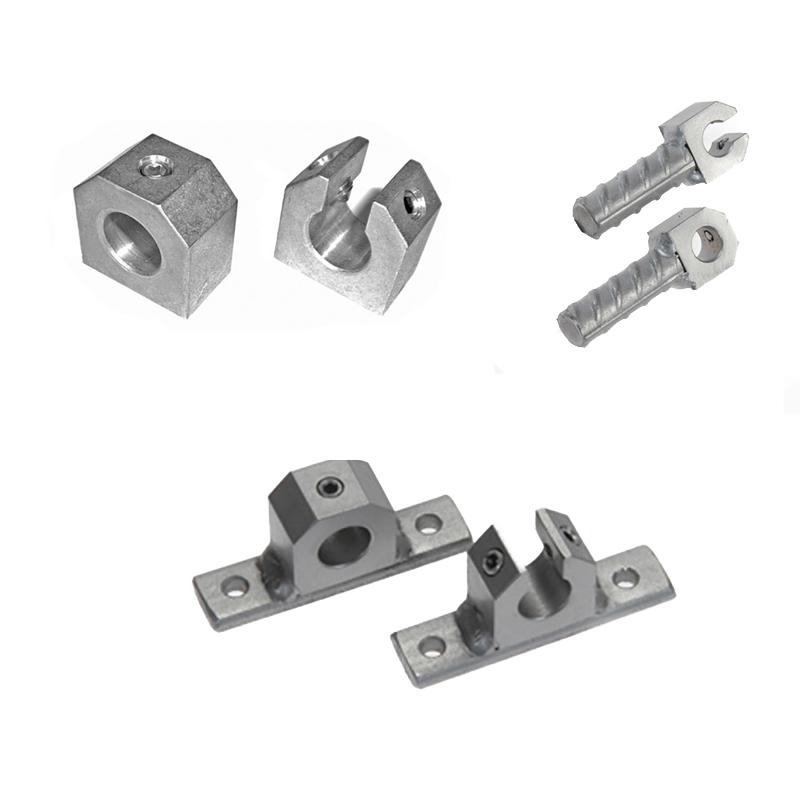
The VWS-2000 series vibrating wire surface strain mount gauges are designed for the long term monitoring of steel or concrete structures. Gauges may be attached to steel structures by arc welding or, using alternative end blocks, bonded or grouted into concrete.
The strain gauge operates on the principle that a tensioned wire, when plucked, vibrates at its resonant frequency. The square of this frequency is proportional to the strain in the wire.
The gauge consists of two end blocks with a tensioned steel wire between them. The end blocks can be attached by either arc welding, bonding or groutable anchors to steel or concrete.
Around the wire is a magnetic coil which when pulsed by a vibrating readout or data logger interface plucks the wire and measures the resultant resonant frequency of vibration.
As the steel or concrete surface undergoes strain the end blocks will move relative to each other. The tension in the wire between the blocks will change accordingly thus altering the resonant frequency of the wire.
| Brands | Geosense |
|---|---|
| Strain Range | 3000 με |
| Gauge length | VWS-2000: 150mm; VWS-2010: 89mm |
| Overall length | VWS-2000: 156mm; VWS-2010: 95mm |
| Resolution | 1 με |
| Accuracy | ±0.1 (individual calibration) to ±0.5% FS (standard batch calibration) |
| Non linearity | <0.5% FS |
| Temperature | -20°C to +80°C |
| Frequency range | VWS-2000: 850-1550 VWS-2010: 900-2000 |
Related products

VW PIEZOMETER VWP-3000 SERIES
In stock
IPX IN-PLACE EXTENSOMETER
In stock
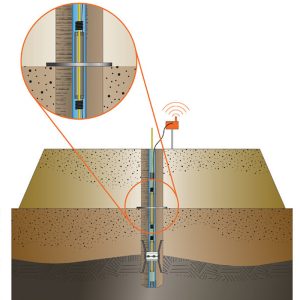
The In-Place Extensometer (IPX) offers automated monitoring of standard magnetic extensometer installations. The system is designed for a simple, adaptable installation with a single cable connection at the top of the borehole. Its large measurement range accommodates large levels of settlement or heave, and ease of adjustment means it can be reconfigured for changed site conditions such as embankment filling or cutting.
BOREHOLE ROD EXTENSOMETER
In stock
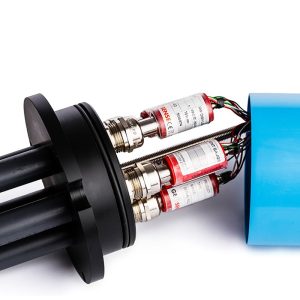
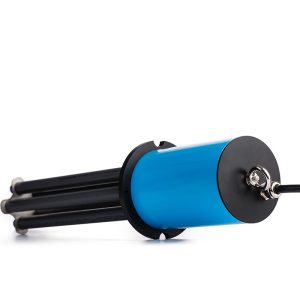
The Geosense® GEO-XB2 borehole rod type extensometer range is used to measure and locate settlement, displacement and deformation in soil and rock.
It consists of a reference head and one or more in-hole anchors each of which is placed at a known depth and connected to the reference head by either a rigid or flexible rod running inside a flexible sleeve, which keeps the rod de-bonded from the grout.
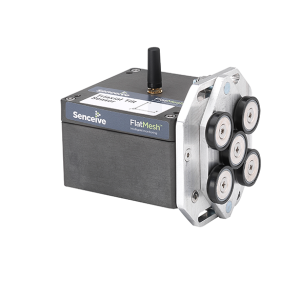
TRIAXIAL TILT SENSOR NODE
In stock
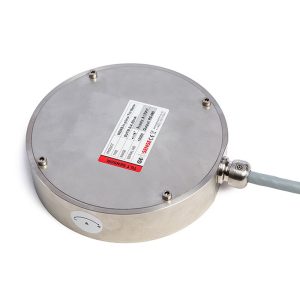
SUBMERSIBLE TILT METER
In stock
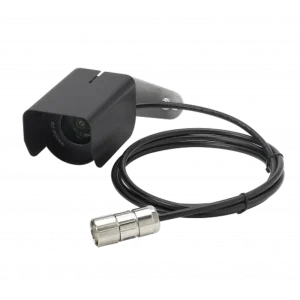
IMAGING & CAMERA
In stock
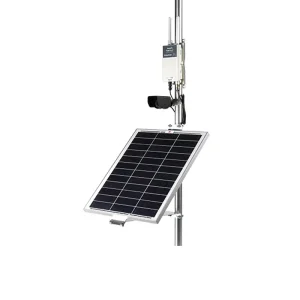
The FlatMesh 4G Camera is a best in class solar powered solution for static imagery in remote or industrial areas.
It contains a monochrome digital camera which can take clear, high quality photographs day or night without the use of external illuminators.
The 4G camera connects to a Senceive EdgeHub (with FlatMesh) unit which provides power and connectivity over the cellular network (2G/3G/4G) or existing wired ethernet networks.
HUMIDITY & CORROSION (CorroDec®2G)
In stock
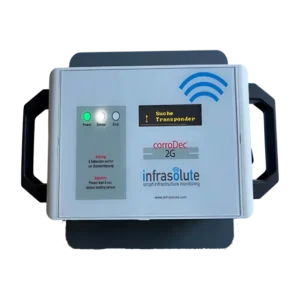
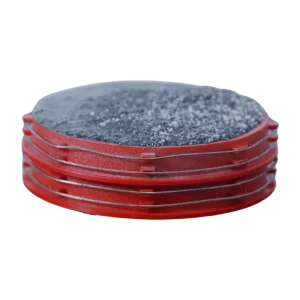
The structural infrastructure must always meet requirements such as performance, stability and durability. These requirements will have a lasting effect on our mobility in the future. The corrosion risk and the corrosion activity of the reinforcing steel largely define these requirements and are determined by various impact and material parameters.
MAGNETIC EXTENSOMETER GXM RANGE
In stock
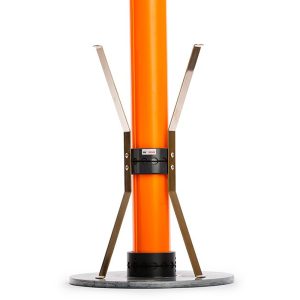
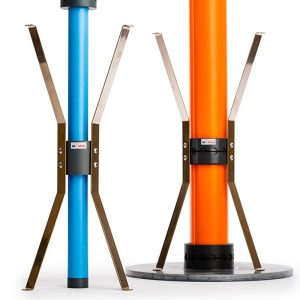
The GEO-XM settlement system is a magnet extensometer system used typically to monitor settlement and heave in foundations, excavations and embankments.
Data received identifies the depth and position where settlement has occurred as well as the total amount of settlement.
It can also be installed behind retaining structures, such as sheet piles and slurry walls, and above underground openings, such as tunnels and shafts.
Reviews
There are no reviews yet.