



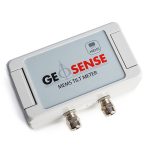


VW CRACK METER VWCM-4000
VWCM-4000 crack meters are used to measure movement across surface cracks and joints in concrete, rock, soil and structures.
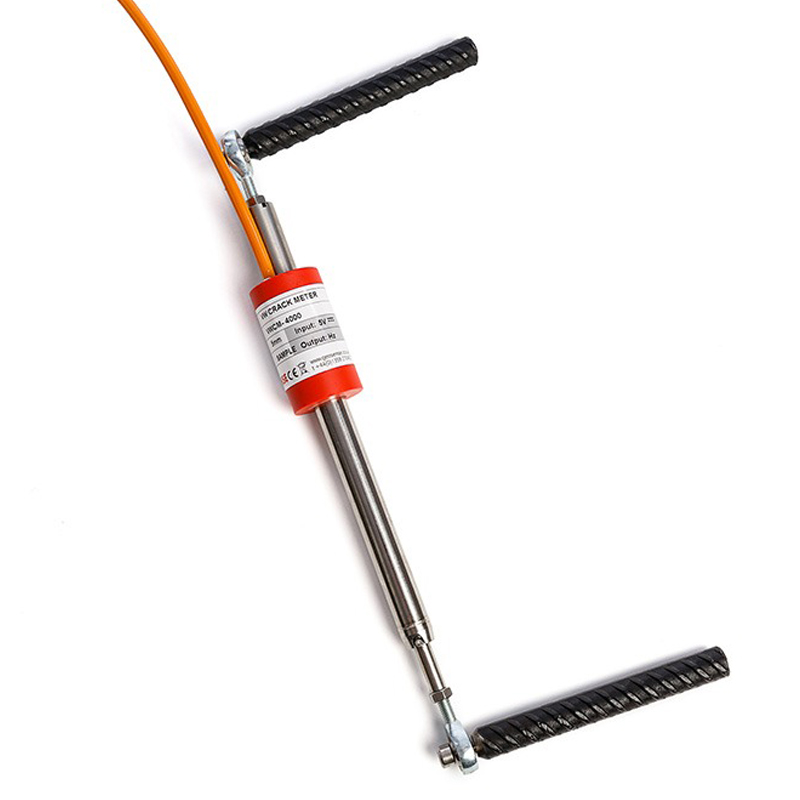
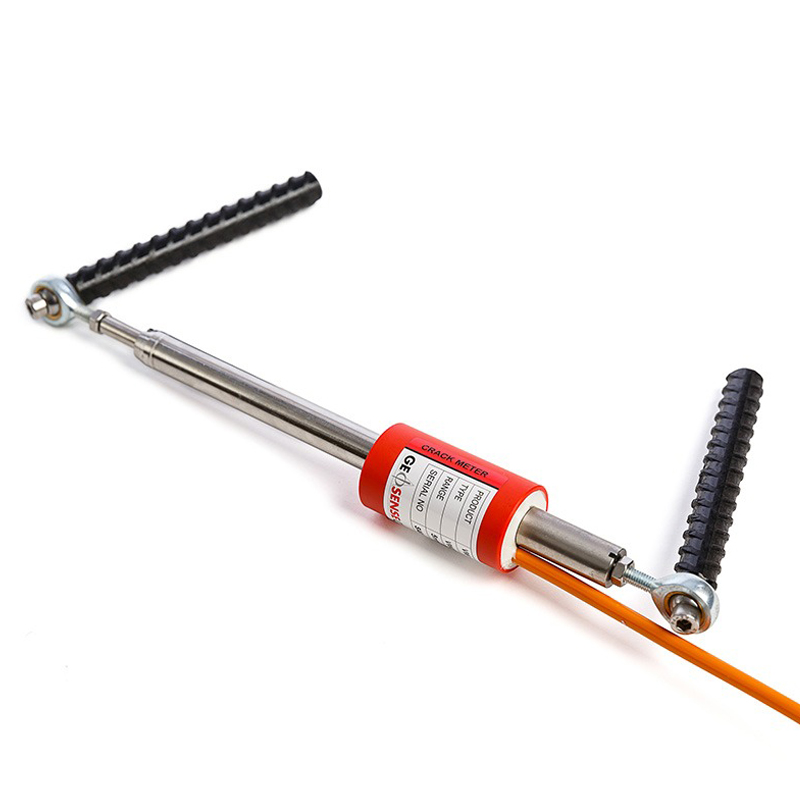
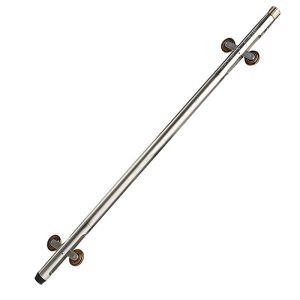
They consist of a sensor outer body tube and an inner free-sliding rod which is connected at the internal end to a vibrating wire sensor by a spring. At the sensor end of the outer body and the external end of the rod anchors are attached which can be fixed either side of a crack to be monitored.
The gauge operates on the principle that a tensioned wire, when plucked, vibrates at its resonant frequency. The square of this frequency is proportional to the strain in the wire. Around the wire is a magnetic coil which when pulsed by a vibrating readout or data logger interface plucks the wire and measures the resultant resonant frequency of vibration.
A change in distance between the anchors caused by the crack opening or closing causes the inner free-sliding rod to move within the outer body which changes the tension on the spring and the vibrating wire thus altering the resonant frequency of the wire.
VWCM-4000 crack meters are installed by grouting, bolting, bonding or fixing expandable anchors to the structure to be monitored. The anchors incorporate ball joints where they are fixed to the gauge to accommodate any differential cross-axis movement and prevent the inner rod from binding within the outer casing.
| Brands | Geosense |
|---|---|
| Ranges | 5, 12.5, 25, 50, 100, 150, 200, 300mm |
| Resolution | <0.025% FS |
| Accuracy | ±0.1% FS |
| Non-linearity | <0.5% FS |
| Frequency range | 1650 – 2700 Hz |
| Waterproof rating | 16 bar |
Related products
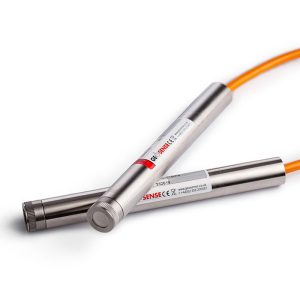
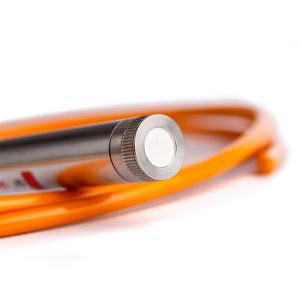
VW PIEZOMETER VWP-3000 SERIES
In stock
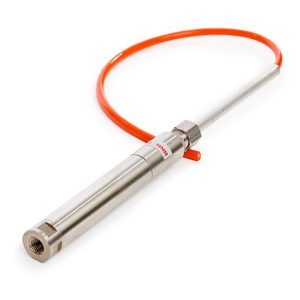
VWPHT-3600 SERIES
In stock
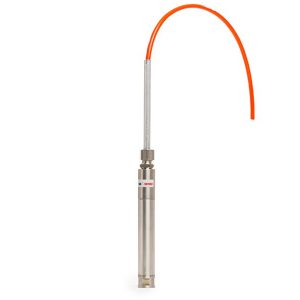
The VWPHT-3600 series High Temperature Piezometers are suitable for the extreme environments of temperature and pressure found within applications such as geothermal heat and enhanced oil recovery systems including steam assisted gravity drainage (SAGD) and cyclic steam stimulation (CSS). They are capable of monitoring high temperatures up to 250°C and pressures up to 34.5 MPa.
STRAIN GAUGE PIEZOMETER SGP-3400 SERIES
In stock
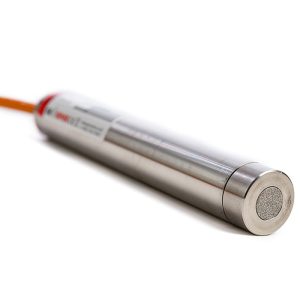
The SGP-3400 Series of strain gauge piezometers are designed for monitoring soil pore pressure or changes in water level and are also suitable for dynamic monitoring such as pumping tests.
They are accurate, highly-reliable and suitable for use in the harsh environments often found within civil engineering including water wells, boreholes, dams, reservoirs, rivers, tanks or any other body of water.
TRIAXIAL TILT SENSOR NODE
In stock
PORTABLE MEMS INCLINOMETER
In stock
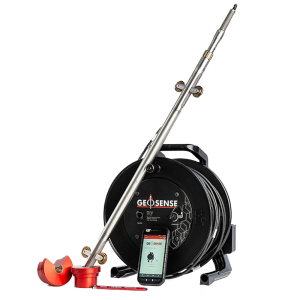
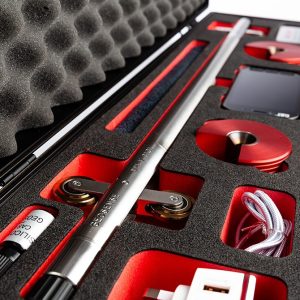
The MEMS Portable Inclinometer system utilises modern communication and Smart devices to enable the tilt data generated by the probe to be managed, stored and transferred directly from site via FTP, API, email or other communication platforms.
It is available for vertical, inclined and horizontal applications.
IPI-X IN PLACE INC – EXT
In stock
WATER LEVEL METER
In stock
INCLINOMETER SPIRAL SENSOR
In stock
Reviews
There are no reviews yet.