


PT100
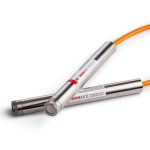
The Pt100 temperature sensor contains a platinum resistance thermometer that changes resistance value as its temperature changes and provides accurate and reliable long-term temperature measurements. These sensors are often used in the extremely harsh environments found within Geotechnical monitoring.
The platinum element is housed inside a rugged enclosure and sealed with a special sealing material to ensure efficient thermal distribution and has IP68 waterproofing.
The principle of operation is to measure the resistance of a platinum element and in accordance with EN/IEC 60751:2022.
| Brands | Geosense |
|---|---|
| Temperature range | -20 to +80 ºC |
| Temperature coefficient of resistance (TCR) | 0.00385 O/O/°C, 0 – 100°C |
| Accuracy | ±0.15°C at 0°C, ±0.35°C at 100°C |
| Resolution | 0.1 ºC |
| Housing | Stainless steel |
| Housing diameter | 16mm |
| Housing length | 65mm |
| Cable diameter | 5 mm |
Related products
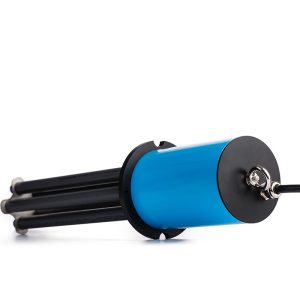
BOREHOLE ROD EXTENSOMETER
In stock
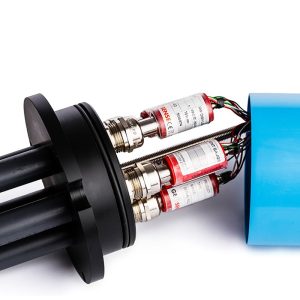
The Geosense® GEO-XB2 borehole rod type extensometer range is used to measure and locate settlement, displacement and deformation in soil and rock.
It consists of a reference head and one or more in-hole anchors each of which is placed at a known depth and connected to the reference head by either a rigid or flexible rod running inside a flexible sleeve, which keeps the rod de-bonded from the grout.
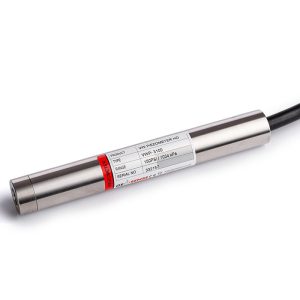
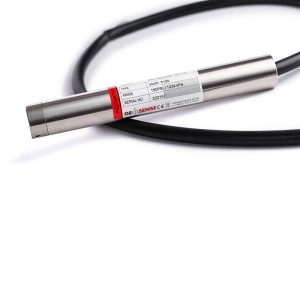
PRESSURE TRANSDUCER VWT-9000 SERIES
In stock
The Geosense® VWT-9000 Series of Pressure Transducers are designed to be connected directly into hydraulic or pneumatic pressure lines by means of a 1/4” BSPF thread. Other thread sizes are available on request.
They are typically used to monitor uplift pressures within dams and to enable manual standpipe piezometers to be upgraded into an automated data acquisition system.
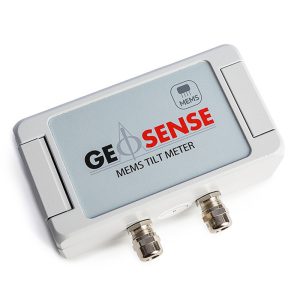
IN-PLACE TILT METER MEMS
In stock
TILT BEAM
In stock
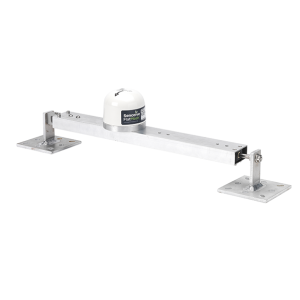
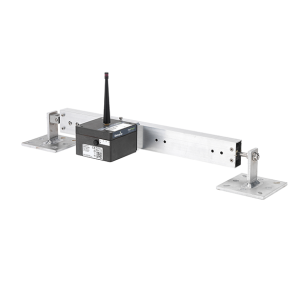
The Tilt Beam is a lightweight, rigid aluminium beam that is used in conjunction with a Triaxial Tilt Node, a NanoPlus or a NanoMacro.
The tilt beam has been successfully used in many applications, including:
- Movement monitoring of any structure
- Longitudinal settlement
- Tunnel convergence/divergence
- Lateral displacements
PENDULUM SYSTEM
In stock
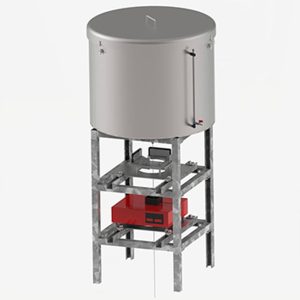
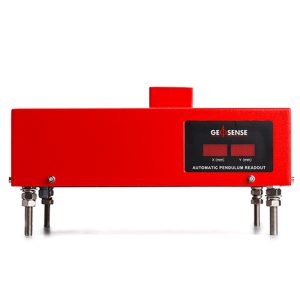
HPS-3500 (Hanging) and IPS-3000 (Inverted) Pendulums are used to measure the tilt or rotation by measuring the relative internal horizontal displacement of points along a true vertical line. Each has a tensioned, stainless steel wire and the effects of the earth gravitational forces to guarantee a perfectly vertical line between a fixed point and a tensioning mechanism. Typical applications include concrete dams, bridges and high rise buildings.

INCLINOMETER CASING QJ
In stock
HUMIDITY & CORROSION (CorroDec®2G)
In stock
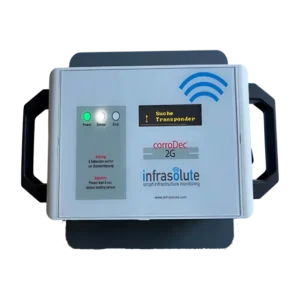
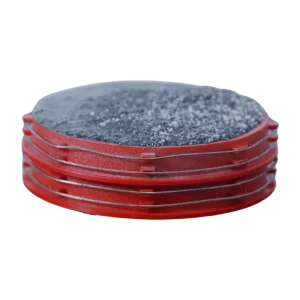
The structural infrastructure must always meet requirements such as performance, stability and durability. These requirements will have a lasting effect on our mobility in the future. The corrosion risk and the corrosion activity of the reinforcing steel largely define these requirements and are determined by various impact and material parameters.
MAGNETIC EXTENSOMETER GXM RANGE
In stock
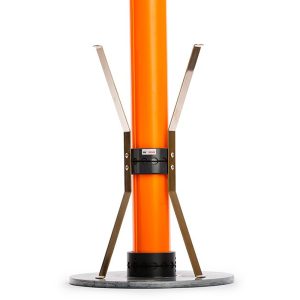
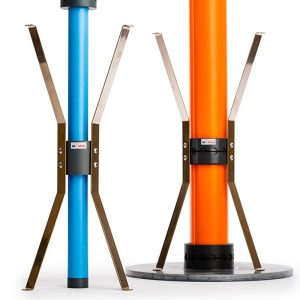
The GEO-XM settlement system is a magnet extensometer system used typically to monitor settlement and heave in foundations, excavations and embankments.
Data received identifies the depth and position where settlement has occurred as well as the total amount of settlement.
It can also be installed behind retaining structures, such as sheet piles and slurry walls, and above underground openings, such as tunnels and shafts.
Reviews
There are no reviews yet.