



TELL-TALE CRACK METER
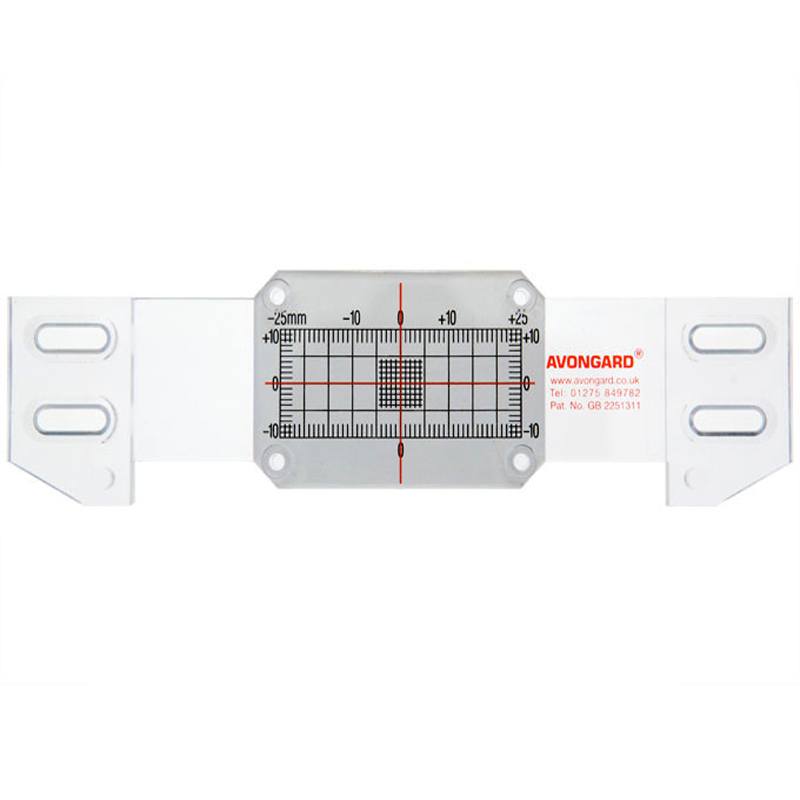
Tell-Tales are precision gauges that consist of two plates which overlap for part of their length. The bottom plate is calibrated in millimetres and the top plate is transparent and marked with a hairline cursor in the form of a cross.
Tell-Tales are precision gauges that consist of two plates which overlap for part of their length. The bottom plate is calibrated in millimetres and the top plate is transparent and marked with a hairline cursor in the form of a cross.
They are manufactured in vandal resistant polycarbonate. The coefficient of linear thermal expansion is 7.0 x 10⁻⁵cm/cm/ºC for ambient temperatures between -30ºC to +30ºC. They are manufactured to conform to BS EN ISO 9001:2015.
The Tell-Tale is fixed across the crack using screws and plugs and/or adhesive. It can be used across cracks in vertical or horizontal directions on flat surfaces.
The Tell-Tale is preset at zero with transparent tape. The tape is cut after the Tell-Tale is fixed across the crack.
As the crack opens, or closes, the cursor moves relative to the calibration scale. The opening or closing of the crack is then recorded on a crack record sheet.
| Brands | Avongard |
|---|---|
| Standard Model Range | ± 20mm |
| Plus Model Range | ± 25mm |
| Corner Model Range | ± 25mm |
Related products
MULTI-POINT VW PIEZOMETER
In stock
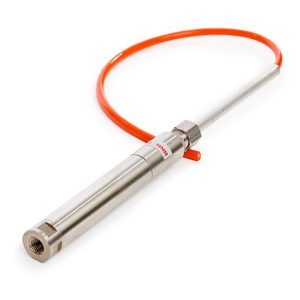
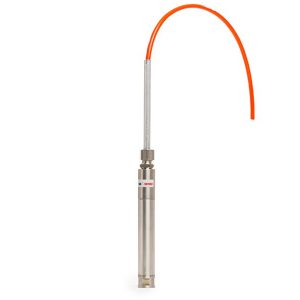
VWPHT-3600 SERIES
In stock
The VWPHT-3600 series High Temperature Piezometers are suitable for the extreme environments of temperature and pressure found within applications such as geothermal heat and enhanced oil recovery systems including steam assisted gravity drainage (SAGD) and cyclic steam stimulation (CSS). They are capable of monitoring high temperatures up to 250°C and pressures up to 34.5 MPa.
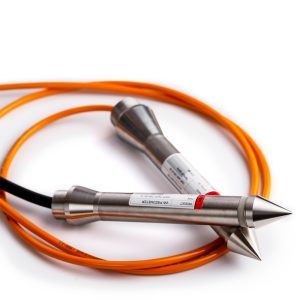
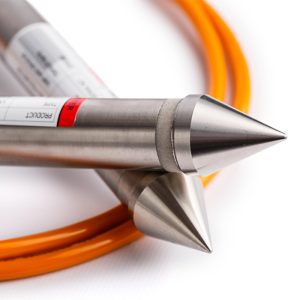
DRIVE-IN PIEZOMETERS WP-3400 & SGP-3500 SERIES
In stock
Drive-in piezometers, also referred to as push-in piezometers, are designed for installing in soft clays, organic or fine grained cohesionless soils typically with a SPT-N value less than 10. They are available with a CPT fitting or 1” BSP thread.
Depending on the depth and type of soil, they can either be pushed directly into the soil from ground level to the required depth or pushed into the base of a CPT test or drilled borehole.
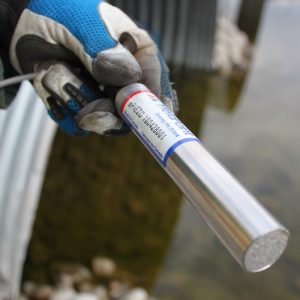
DIGITAL PIEZOMETER – dPiezo
In stock
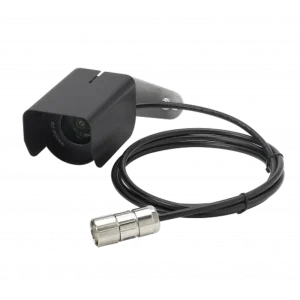
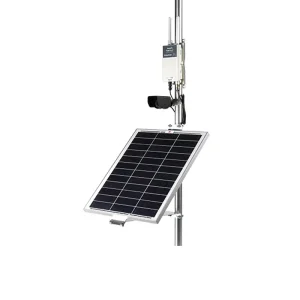
IMAGING & CAMERA
In stock
The FlatMesh 4G Camera is a best in class solar powered solution for static imagery in remote or industrial areas.
It contains a monochrome digital camera which can take clear, high quality photographs day or night without the use of external illuminators.
The 4G camera connects to a Senceive EdgeHub (with FlatMesh) unit which provides power and connectivity over the cellular network (2G/3G/4G) or existing wired ethernet networks.
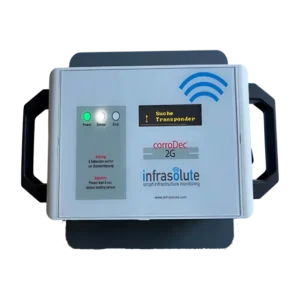
HUMIDITY & CORROSION (CorroDec®2G)
In stock
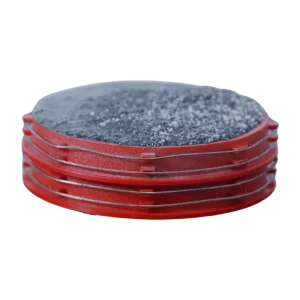
The structural infrastructure must always meet requirements such as performance, stability and durability. These requirements will have a lasting effect on our mobility in the future. The corrosion risk and the corrosion activity of the reinforcing steel largely define these requirements and are determined by various impact and material parameters.
INCLINOMETER CASING XC
In stock
INCLINOMETER SPIRAL SENSOR
In stock
Reviews
There are no reviews yet.