


THERMISTOR
Thermistors provide accurate and reliable long-term temperature measurements and are used widely in the extremely harsh environments found within Geotechnical monitoring.
They are available in two types:
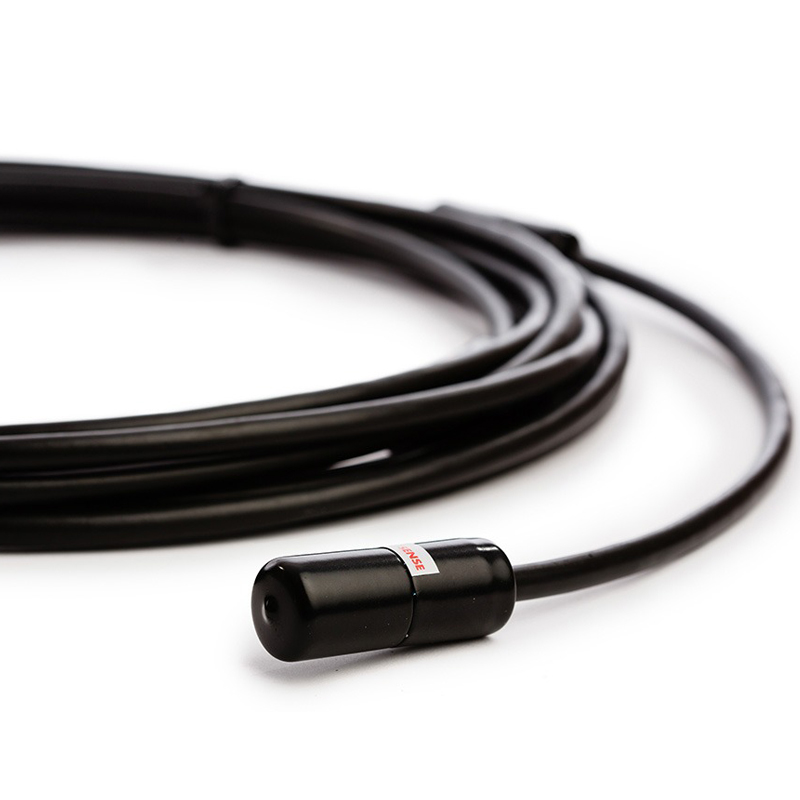
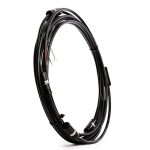
- Probe – A single point sensor mounted within a PVC or stainless steel housing which is attached to a cable length.
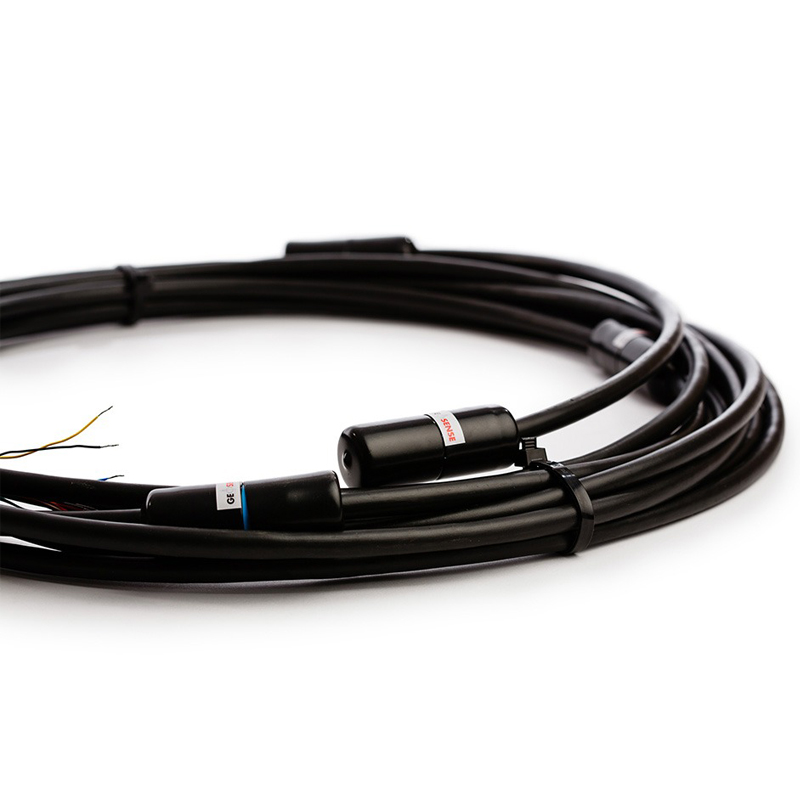
- String – A series of sensors mounted along a multi-core cable which provide a temperature profile and is manufactured to customer requirements in terms of the number and spacing of each sensor.
Description
The NTC (negative temperature coefficient ) thermistor sensor has a resistance that decreases with increasing temperature and with a coefficient >4%/ºC allows it to detect very small changes in temperature. They have a non-linear output that is represented by the Steinhart–Hart equation.
T= (1 / (A + B (LnR) + C(LnR) 3)) –273.2
Where: T = Temperature in degrees Centigrade
LnR= Natural log of Thermistor resistance in ohms
Readings can be made with a wide range of readout units including the VW2106 and the MP12 which display the reading directly in engineering units (degrees Celsius) or by an ohmmeter in combination with look-up tables. Readings can also be automated using an automatic data acquisition unit.
Additional information
| Brands | |
|---|---|
| Temperature Range |
−50 to +150°C |
| Accuracy |
±0.2 ºC |
| Resolution |
0.1ºC |
Reviews (0)
About brand
Geosense Ltd is one of Europe’s leading manufacturers and suppliers of instruments to the geotechnical, civil engineering, mining and environmental industries.
Geosense products are used globally in major projects in more than 68 countries. With a comprehensive in-house design and manufacturing capability, we can provide products not only to tight deadlines but also to suit custom-engineered solutions for specific project requirements.
Geosense specialises in the manufacture of vibrating wire and MEMS sensors, which are used to produce a wide range of instruments. In addition we manufacture automated data acquisition systems to complement our sensors, including wireless systems.
Data Sheets
Related products
IPX IN-PLACE EXTENSOMETER
In stock
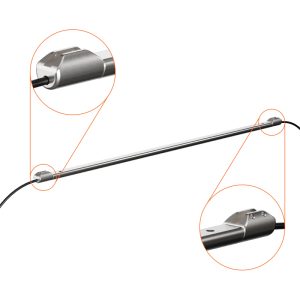
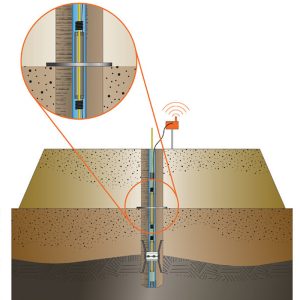
The In-Place Extensometer (IPX) offers automated monitoring of standard magnetic extensometer installations. The system is designed for a simple, adaptable installation with a single cable connection at the top of the borehole. Its large measurement range accommodates large levels of settlement or heave, and ease of adjustment means it can be reconfigured for changed site conditions such as embankment filling or cutting.
STRAIN GAUGE PIEZOMETER SGP-3400 SERIES
In stock
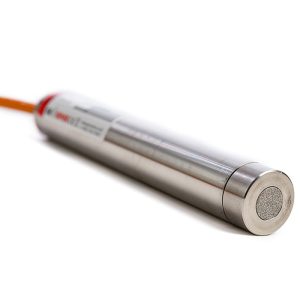
The SGP-3400 Series of strain gauge piezometers are designed for monitoring soil pore pressure or changes in water level and are also suitable for dynamic monitoring such as pumping tests.
They are accurate, highly-reliable and suitable for use in the harsh environments often found within civil engineering including water wells, boreholes, dams, reservoirs, rivers, tanks or any other body of water.
TRIAXIAL TILT SENSOR NODE
In stock
IN-PLACE INCLINOMETER (IPI)
In stock
DIGITAL PIEZOMETER – dPiezo
In stock
INCLINOMETER CASING XC
In stock
INCLINOMETER SPIRAL SENSOR
In stock
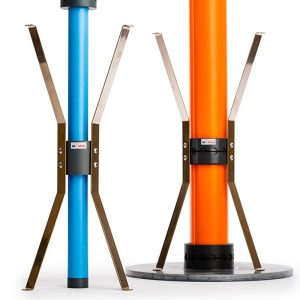
MAGNETIC EXTENSOMETER GXM RANGE
In stock
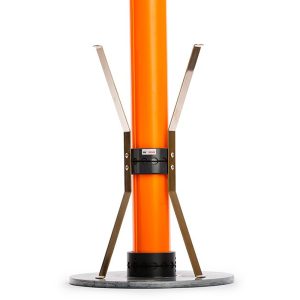
The GEO-XM settlement system is a magnet extensometer system used typically to monitor settlement and heave in foundations, excavations and embankments.
Data received identifies the depth and position where settlement has occurred as well as the total amount of settlement.
It can also be installed behind retaining structures, such as sheet piles and slurry walls, and above underground openings, such as tunnels and shafts.

Reviews
There are no reviews yet.